Apian and Wing Partner to Deliver NHS Pathology Samples by Drone Across South West London
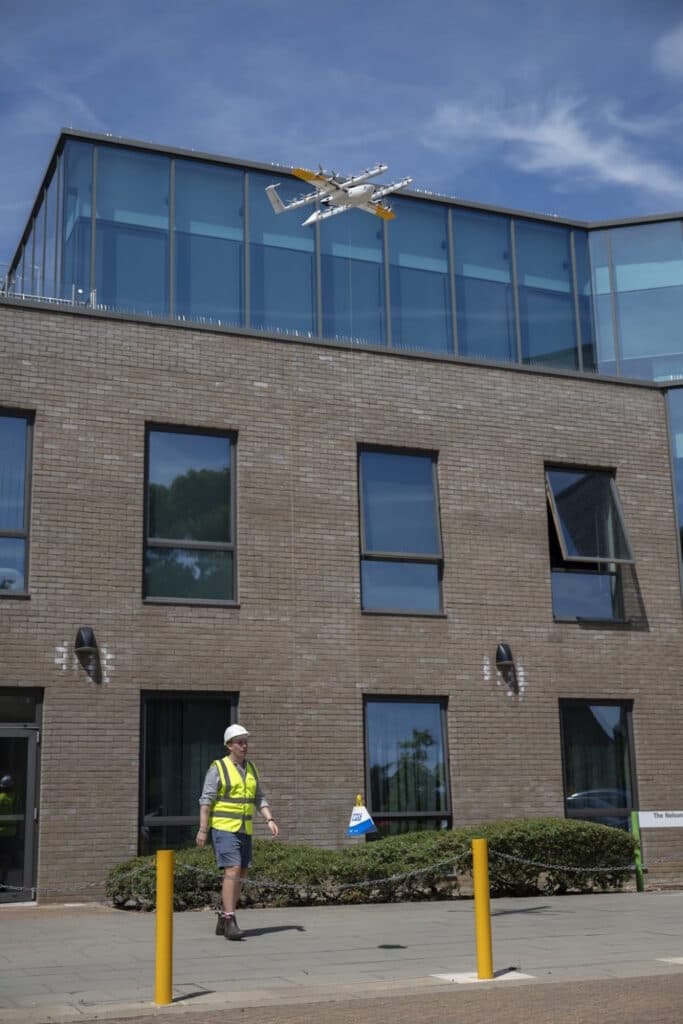
Since February 2026, Apian and Alphabet's Wing have been operating regular drone deliveries of NHS pathology samples in South West London. The route from Nelson Health Centre in Raynes Park to St George's Hospital in Tooting takes just over three minutes. More than 2,000 patients have benefited, with delivery speeds up to 85% faster than road transport and CO₂ emissions 98% lower per delivery compared to vans.
Highlights
- Since February 2026, Apian and Wing have operated regular NHS pathology drone deliveries from Raynes Park to Tooting, completing each flight in just over three minutes.
- Over 2,000 patients have benefited from the service, with drone deliveries up to 85% faster than road transport.
- Each drone delivery produces 98% less CO₂ than a van, and costs up to 23% less than traditional urgent courier services on select routes.
- Nelson Health Centre in Raynes Park became the UK's first NHS primary care site to routinely use drones for pathology sample collection.
- SWLP and Apian plan to expand the drone network to St Helier, Croydon, and Kingston hospitals, serving a population of 1.8 million across South West London.
Drones have become a permanent fixture in the logistics network of South West London Pathology (SWLP), routinely transporting urgent pathology samples between healthcare sites across the region.
Service Overview
Since February 2026, drones operated in partnership with Apian have been collecting samples from Nelson Health Centre in Raynes Park and delivering them to the SWLP laboratory at St George's Hospital in Tooting. The flight takes just over three minutes — a significant improvement over road transport, particularly during periods of heavy traffic or adverse weather.
Apian is working alongside Wing, the Alphabet subsidiary with extensive commercial drone delivery experience, to scale the service.
About SWLP
SWLP serves 1.8 million patients across South West London, processing 51 million samples annually for NHS trusts and GP practices. The organisation is working with Apian to expand drone routes to St Helier, Croydon, and Kingston hospitals, as well as additional primary care sites.
SWLP Executive Director Simon Brewer noted that while the pathology network is investing heavily in automation and digitalisation, logistics remains a major bottleneck. Drones offer a faster, lower-cost and lower-carbon solution for urgent sample transport. More than 2,000 patients have already benefited, with delivery speeds reaching up to 85% faster than road-based logistics.
Environmental and Cost Advantages
Electric drones produce 98% less CO₂ per delivery compared to vans, and on some routes cost up to 23% less than traditional urgent courier services. The service is expected to reduce the network's reliance on conventional vehicles over time.
Kate Slemeck, Executive Director at St George's University Hospitals NHS Foundation Trust, said the technology enables faster, greener healthcare delivery while maintaining patient safety standards.
A Landmark Achievement
Nelson Health Centre, which serves 27,000 patients, has become the first NHS primary care site in the United Kingdom to routinely use drones for sample collection. Andy Christodoulou of Community Health Partnerships described the drones as "reliable and unobtrusive."
Dr Sabena Mughal, Paediatric NHS Consultant and Director of Medical Partnerships at Apian, said drone delivery has become an integral part of healthcare logistics. Co-founded by NHS clinicians, Apian has delivered thousands of samples across London, supporting time-critical decisions in cases such as heart attacks and paediatric diagnoses.
SWLP and Apian have announced plans to further expand drone network coverage across South West London.
原文來源: 查看原文
FAQ
Reviewed and published by the LAETimes editorial desk ·


