Electra and Safran Sign Full Life-Cycle Production Agreement for TG600 Turbogenerator, with Initial Order of 250 Units
Electra and Safran Helicopter Engines announced on July 15, 2026, a full life-cycle production agreement for the TG600 turbogenerator, with an initial order of 250 units. The TG600 will power the Electra EL9 Ultra Short hybrid-electric aircraft with 600 kW of electrical output. The EL9 has filed for FAA Part 23 type certification and is targeting entry into service in 2030.
Highlights
- Electra and Safran Helicopter Engines signed a full life-cycle production agreement for the TG600 turbogenerator on July 15, 2026, with an initial order of 250 units.
- The TG600 delivers 600 kW of electrical power, is based on Safran's Arrano engine platform, and offers an 18% fuel consumption reduction compared with in-service competitors.
- The Electra EL9 Ultra Short uses blown-lift hybrid-electric propulsion to achieve takeoff and landing distances as short as 150 feet, targeting underserved regional routes of 50–250 miles.
- Electra projects demand for 12,000 to 16,000 EL9 aircraft in the first decade of operations, with entry into service planned for 2030 following FAA Part 23 type certification.
- Bristow Group has signed a pre-delivery payment agreement with Electra to secure positions in the initial production run, contingent on type certification.
Electra and Safran Sign Full Life-Cycle Production Agreement for TG600 Turbogenerator
Electra and Safran Helicopter Engines officially announced on July 15, 2026, a full life-cycle production agreement for the TG600 turbogenerator. The TG600 will serve as the core power system for the Electra EL9 Ultra Short hybrid-electric aircraft, with an initial order of 250 units and the flexibility to scale production in line with market demand. The agreement builds on a memorandum of understanding signed by the two companies in 2023, further deepening their long-term partnership.
TG600 Turbogenerator Technical Specifications
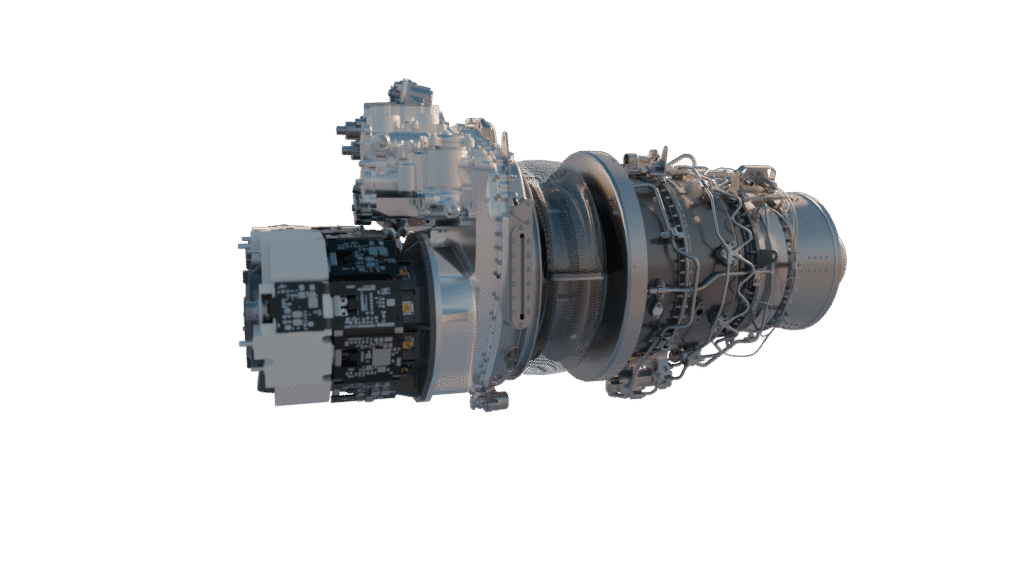
The TG600 turbogenerator integrates a gas turbine engine with an electrical generator and power conditioning system, based on Safran's Arrano engine platform. Compared with in-service engines in the same class, the Arrano delivers an 18% reduction in fuel consumption, offering a significant efficiency advantage. The complete system produces 600 kW of electrical power and incorporates two GENeUS motor-generators from Safran Electrical & Power.
EL9 Ultra Short: Hybrid-Electric Innovation for Short-Field Operations
Electra's EL9 Ultra Short aircraft combines hybrid-electric propulsion with blown-lift technology, enabling takeoff and landing distances as short as approximately 150 feet (roughly 46 metres). This capability allows the EL9 to operate at locations that conventional commercial aviation cannot serve — such as sites closer to densely populated urban areas — dramatically reducing passengers' ground travel time to and from flights.
The EL9 is primarily positioned to address the regional aviation gap in the 50-to-250-mile (approximately 80 to 400 km) range — distances that are too far to drive comfortably yet typically require routing through major hub airports on conventional commercial services. According to Electra's Direct Aviation Market Outlook, this segment is projected to generate demand for between 12,000 and 16,000 aircraft over the first decade of operations.
Executive Comments and Partnership Significance
Electra CEO Marc Allen described the agreement as a significant milestone for both companies and for the broader Advanced Air Mobility (AAM) industry. Safran Helicopter Engines CEO Cédric Goubet emphasized that the collaboration's core value lies in combining engine technology with electrical systems to deliver an advanced hybrid-electric solution.
Certification and Commercialization Timeline
On the commercialization front, Electra and Bristow Group announced earlier this year a pre-delivery payment agreement securing delivery positions in the initial production run, subject to type certification. The EL9 has filed for FAA Part 23 type certification, with a first flight targeted as early as late 2027 to early 2028 and entry into service planned for 2030.
原文來源: 查看原文
FAQ
Reviewed and published by the LAETimes editorial desk ·