Palm Springs Police Use DJI Thermal Drone and Dock 3 to Silently Arrest Teen Who Tried to Bait a Police Chase
Palm Springs Police Department successfully neutralized a teen's attempt to bait officers into a dangerous street pursuit by deploying a DJI thermal imaging drone paired with the Dock 3 automated docking station. Operating entirely from the air, officers tracked the juvenile rider continuously and completed a silent, ground-unit-guided arrest without initiating any vehicle pursuit, setting a notable example for drone-first law enforcement tactics.
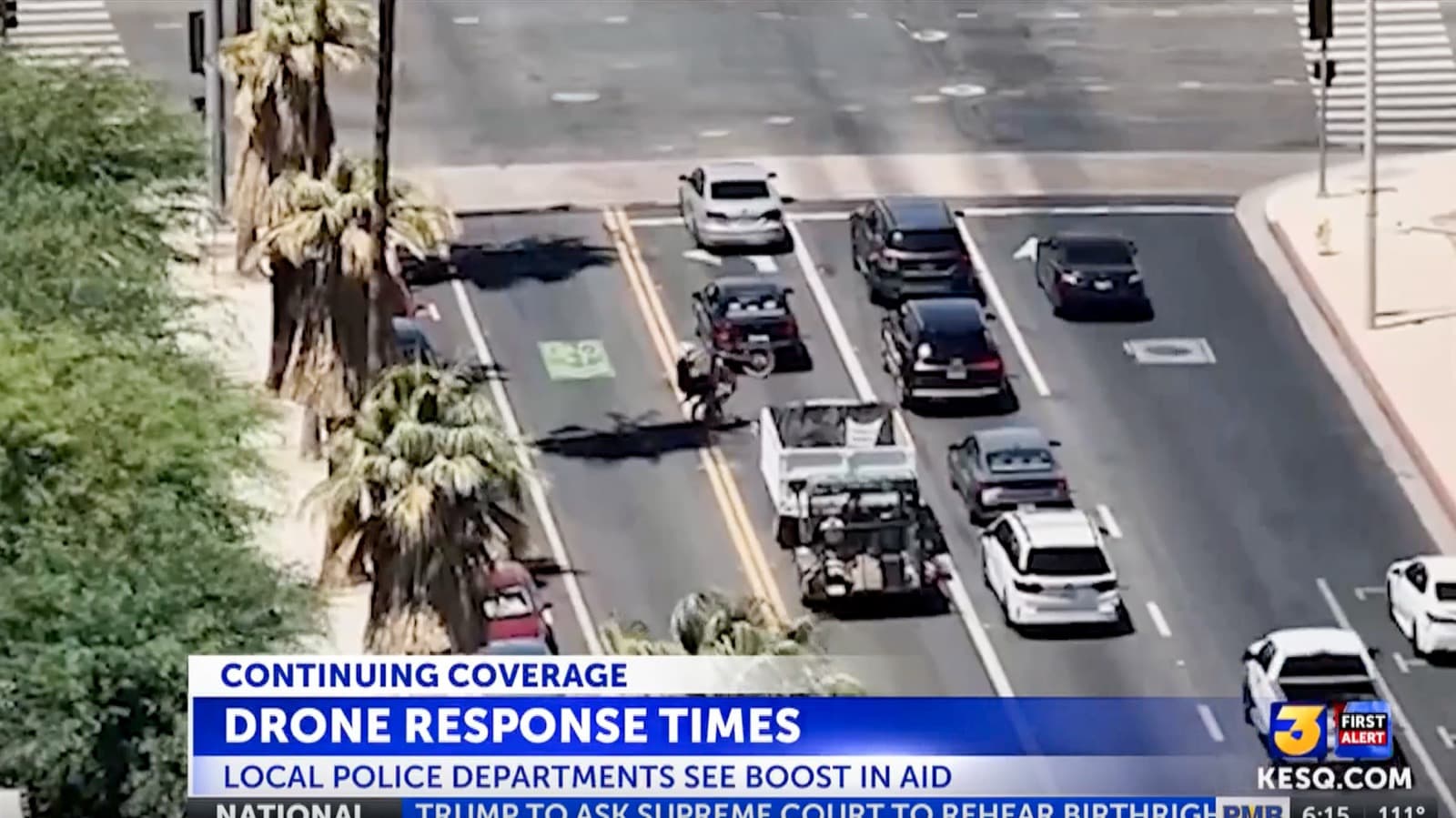
Highlights
- Palm Springs Police deployed a DJI thermal imaging drone and Dock 3 automated docking station to track a juvenile suspect from the air, replacing a potentially dangerous vehicle pursuit.
- The Dock 3 station enabled rapid, operator-free drone launch, significantly reducing response time during the incident.
- Ground officers relied entirely on real-time aerial imagery to identify the safest moment for interception, completing a silent arrest with zero vehicle pursuit initiated.
- Thermal imaging allowed the drone to track the suspect under all lighting conditions, day or night, throughout the operation.
- The case is expected to become a reference model for other U.S. law enforcement agencies integrating drone-first pursuit policies.
Palm Springs Police Deploy DJI Thermal Drone to Foil Teen's Police-Chase Bait Scheme
The Palm Springs Police Department (PSPD) in California has successfully used aerial drone technology to neutralize a juvenile's deliberate attempt to bait officers into a dangerous street pursuit. The entire arrest operation was directed from the air, effectively preventing a high-speed ground chase that could have endangered public safety.
Drone Replaces the Ground Pursuit
According to the incident report, a teenage rider engaged in provocative behavior on city streets in an apparent attempt to lure a patrol vehicle into a chase. Rather than taking the bait, PSPD immediately deployed a DJI thermal imaging drone supported by a Dock 3 automated docking station, maintaining continuous aerial surveillance of the suspect's movements throughout the incident.
Thermal imaging technology allowed the drone to clearly identify and track the target under any lighting condition — day or night — while the Dock 3 automated station enabled rapid launch and deployment, dramatically reducing response time without requiring manual operator intervention on the ground.
Fully Air-Directed, Silent Arrest
Throughout the tracking operation, ground officers relied on real-time video and positional data relayed by the drone to identify the safest and most precise moment to intercept and arrest the suspect. No vehicle pursuit was initiated at any point. This drone-first enforcement strategy protected both civilians and officers while completely foiling the juvenile's scheme.
A Model for Modern Police Drone Operations
The case is being recognized as an important demonstration of real-world police drone capability, highlighting the practical value of thermal imaging UAVs in urban law enforcement scenarios. By substituting aerial surveillance for high-risk ground pursuits, agencies can reduce both officer danger and the risk to ordinary road users.
The Palm Springs operation is expected to serve as a reference model for other law enforcement agencies considering drone integration programs within their pursuit policies.
原文來源: 查看原文
FAQ
Reviewed and published by the LAETimes editorial desk ·


