France's Safran and Hemeria Partner to Develop Stratospheric EW and ELINT High-Altitude Balloon Platform
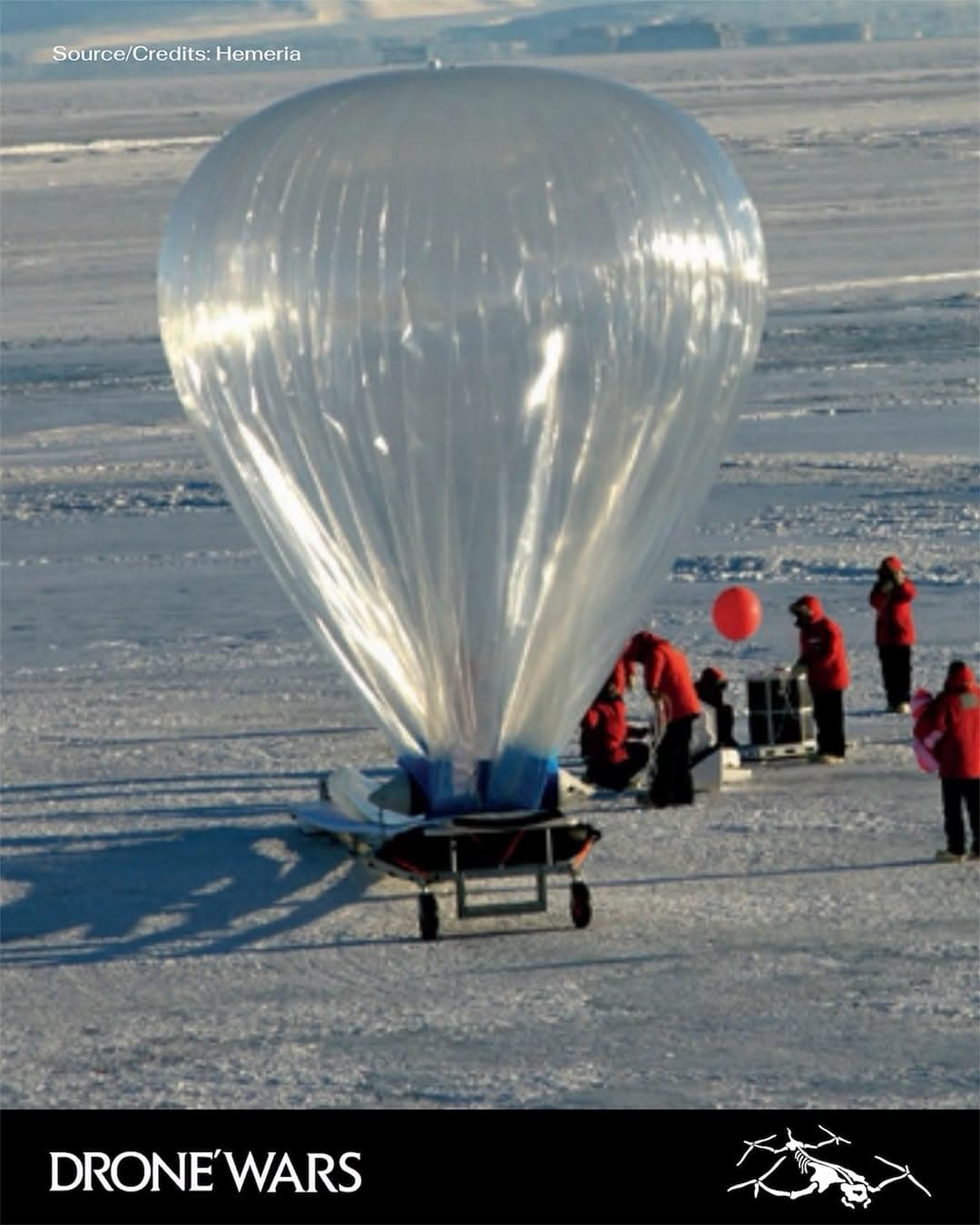
Safran Electronics & Defense and Hemeria have announced a formal partnership to develop a stratospheric balloon platform for electronic warfare (EW) and electromagnetic intelligence (ELINT) missions. The system integrates Hemeria's zero-pressure balloons with Safran.AI artificial intelligence models, enabling near-real-time electromagnetic spectrum analysis at altitudes of up to 45 kilometres, with a maximum payload capacity of 2,000 kg and endurance ranging from hours to days.
Highlights
- Safran Electronics & Defense and Hemeria have signed a formal agreement to co-develop a stratospheric balloon platform for EW and ELINT missions.
- Hemeria's zero-pressure balloon operates at altitudes up to 45 km, supports payloads up to 2,000 kg, and has endurance ranging from hours to multiple days.
- Safran.AI artificial intelligence models will be integrated onboard to enable near-real-time electromagnetic signal detection, identification, and analysis.
- The platform targets EW, SIGINT, and wide-area electromagnetic spectrum monitoring missions, offering faster threat-to-decision response times.
- Detailed deployment timelines for the programme have not yet been publicly disclosed.
France's Safran and Hemeria Partner to Develop Stratospheric EW and ELINT High-Altitude Balloon Platform
French defence technology major Safran Electronics & Defense and high-altitude balloon specialist Hemeria have announced the signing of a formal cooperation agreement to jointly develop a stratospheric balloon-based platform for electronic warfare (EW) and electromagnetic intelligence (ELINT) surveillance missions.
AI-Driven High-Altitude Electromagnetic Surveillance
Under the agreement, Hemeria's stratospheric balloons will carry artificial intelligence models developed by Safran.AI, forming a high-altitude surveillance platform capable of detecting, identifying, and analysing electromagnetic signals across multiple domains.
Both companies note that operating at stratospheric altitudes gives sensors access to broader and cleaner datasets than low-altitude platforms can provide, improving the accuracy of AI-driven signal analysis and accelerating the identification of potential threats.
Mission Capabilities
The system is designed to support the following mission types:
- Electronic Warfare (EW): Electromagnetic spectrum jamming and countermeasures
- Signals Intelligence (SIGINT): Electromagnetic signal collection and analysis
- Electromagnetic Spectrum Monitoring: Wide-area, persistent electromagnetic environment awareness
Safran and Hemeria emphasise that the combination of high-altitude sensors and onboard AI processing is intended to enable near-real-time analysis of collected electromagnetic data, significantly reducing the response time between threat detection and operational decision-making.
Hemeria Stratospheric Balloon Specifications
Hemeria states that its zero-pressure stratospheric balloons offer the following technical characteristics:
| Specification | Value |
|---|---|
| Maximum Altitude | 45 km (approx. 28 miles) |
| Endurance | Hours to days |
| Balloon Diameter | 11–13 metres |
| Maximum Payload Capacity | 2,000 kg |
Strategic Advantages of the Stratosphere
Compared with conventional low-altitude drones or satellites, a stratospheric balloon platform offers distinct operational advantages: the ability to loiter persistently over a specific area, delivering continuous wide-area coverage at operating costs far below those of satellite systems. This makes it highly valuable for electromagnetic intelligence-gathering missions.
Detailed timelines and deployment plans for the programme have not yet been publicly disclosed.
Image credit: Hemeria
原文來源: 查看原文
FAQ
Reviewed and published by the LAETimes editorial desk ·