Sora Aviation Completes S-1 Scaled Demonstrator VTOL Flight Test Campaign, Hitting Key Development Milestone
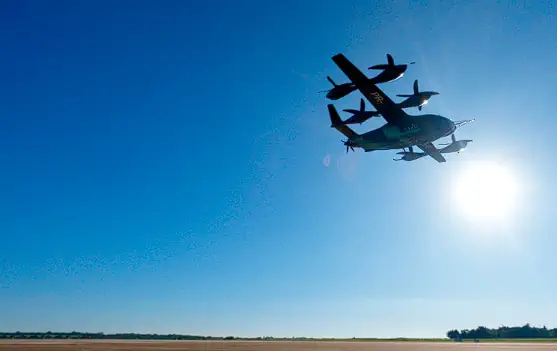
UK-based eVTOL startup Sora Aviation has completed a large-scale VTOL flight test campaign with its S-1 scaled demonstrator, logging dozens of successful flights over several months. Flight data showed strong correlation with aerodynamic and flight dynamics models, and the company's proprietary flight control system was fully validated. Sora Aviation is targeting a full-scale S-1 prototype first flight in 2028.
Highlights
- Sora Aviation completed its S-1 scaled demonstrator VTOL flight test campaign after logging dozens of successful flights over several months.
- Flight data showed strong correlation with the company's aerodynamic and flight dynamics models, validating the accuracy of its predictive tools.
- Sora's proprietary flight control system, developed with full SITL and HITL verification processes, was successfully validated during the campaign.
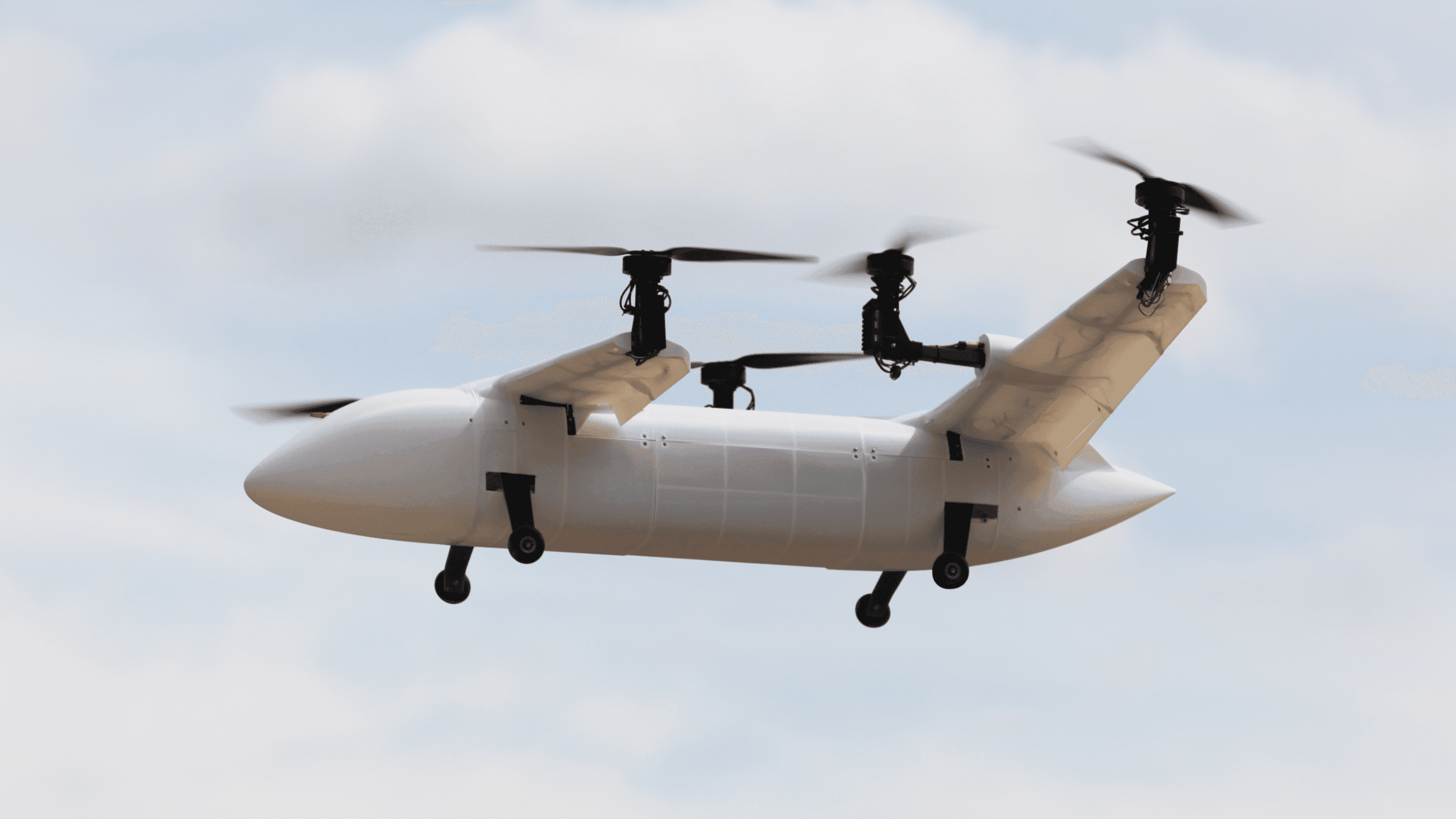
- The S-1 demonstrator's outer mold line faithfully replicates full-scale geometry, including control surfaces, proprotor positions, and center-of-gravity location.
- Sora Aviation is targeting a full-scale S-1 prototype first flight in 2028, with multiple additional demonstrators currently under construction.
Sora Aviation Completes S-1 Scaled Demonstrator VTOL Flight Test Campaign, Eyes 2028 Full-Scale First Flight
UK advanced air mobility (AAM) startup Sora Aviation has announced the successful completion of a large-scale vertical take-off and landing (VTOL) flight test campaign with its S-1 scaled demonstrator, marking a significant milestone in the development of the S-1 aircraft.
The Strategic Value of Scaled Flight Testing
Scaled model flight testing has long served as a critical bridge between theoretical design and full-scale flight, allowing engineers to validate aerodynamic characteristics, flight control laws, and handling qualities in a lower-risk environment. This proven methodology is now underpinning the next generation of aviation development — an increasing number of advanced air mobility (AAM) vehicle developers are using scaled demonstrators to rapidly reduce technical risk and advance technology maturity before committing to full-scale prototype development.
A Growing Body of Flight Test Data
The scaled demonstrator has been flying regularly for several months, accumulating dozens of successful flights. Flight testing has now become a routine weekly activity for Sora's engineering team, continuously feeding valuable data into the development of the full-scale S-1 vehicle.
Dr. Luke Bowen, Senior Aerodynamics Engineer at Sora Aviation, commented: "Flight testing is one of several complementary tools we use to build confidence in the vehicle design. The data we have collected shows excellent correlation with our flight dynamics models and simulation results. Scaled testing inevitably has limitations, particularly in fully replicating full-scale Reynolds number effects, but we have developed a targeted test methodology focused on the areas where we can most effectively obtain representative data. This allows us to directly validate our analysis methods and progressively improve the fidelity of our predictive tools as we advance toward full-scale flight."
Demonstrator Designed to Faithfully Replicate Full-Scale Geometry
The S-1 test vehicle was purpose-built to generate representative aerodynamic and flight dynamics data. The demonstrator's outer mold line (OML) faithfully replicates the geometry of the full-scale S-1, including control surfaces, proprotor positions, and center-of-gravity location, ensuring that the flight characteristics exhibited by the vehicle are directly relevant to the full-scale design.
Proprietary Flight Control System Validated
The campaign also achieved comprehensive validation of Sora's proprietary flight control system architecture. Developed entirely in-house, the system features a complete software-in-the-loop (SITL) and hardware-in-the-loop (HITL) development process, enabling extensive pre-flight verification that significantly reduces flight test risk.
Data collected during testing successfully validated the effectiveness of the S-1 flight control system and confirmed the accuracy of low-speed handling quality predictions and vehicle performance estimates, with confidence in the design continuing to grow as development progresses.
Furqan Afzal, CEO of Sora Aviation, stated: "This milestone demonstrates the maturity of our development approach and the robustness of the engineering foundations underpinning the S-1 programme. We have deliberately invested in a rigorous test and validation strategy combining simulation, laboratory testing, wind tunnel testing, and representative flying demonstrators. The results we are seeing continue to reinforce our confidence that the S-1 can deliver the performance, safety, and economics needed to transform the AAM industry at scale."
Broader Validation Strategy and Outlook
This flight test campaign forms part of Sora's broader validation strategy, which also encompasses extensive ground testing, high-fidelity simulation, and wind tunnel testing. The successful test activity represents just one element of Sora's overall development roadmap — multiple additional ground and flight demonstrators are currently under construction to support the maturation of key technologies and systems within the vehicle programme.
Sora Aviation is targeting the first flight of the full-scale S-1 prototype in 2028, representing a key step toward delivering a new generation of high-capacity, economically viable electric air transport vehicles.
原文來源: 查看原文
FAQ
Reviewed and published by the LAETimes editorial desk ·