Ukraine's Ministry of Defence Officially Certifies Wild Hornets' 'Hornet Vision Ctrl' Remote Drone Control System
Ukraine's Ministry of Defence has formally certified and adopted the Hornet Vision Ctrl remote drone control system developed by Wild Hornets, following NATO-standard procedures. The system enables operators to control drones from more than 500 km behind the front line, with tests conducted at distances of approximately 2,000 km. It is the first system of its kind to receive this certification in Ukraine.
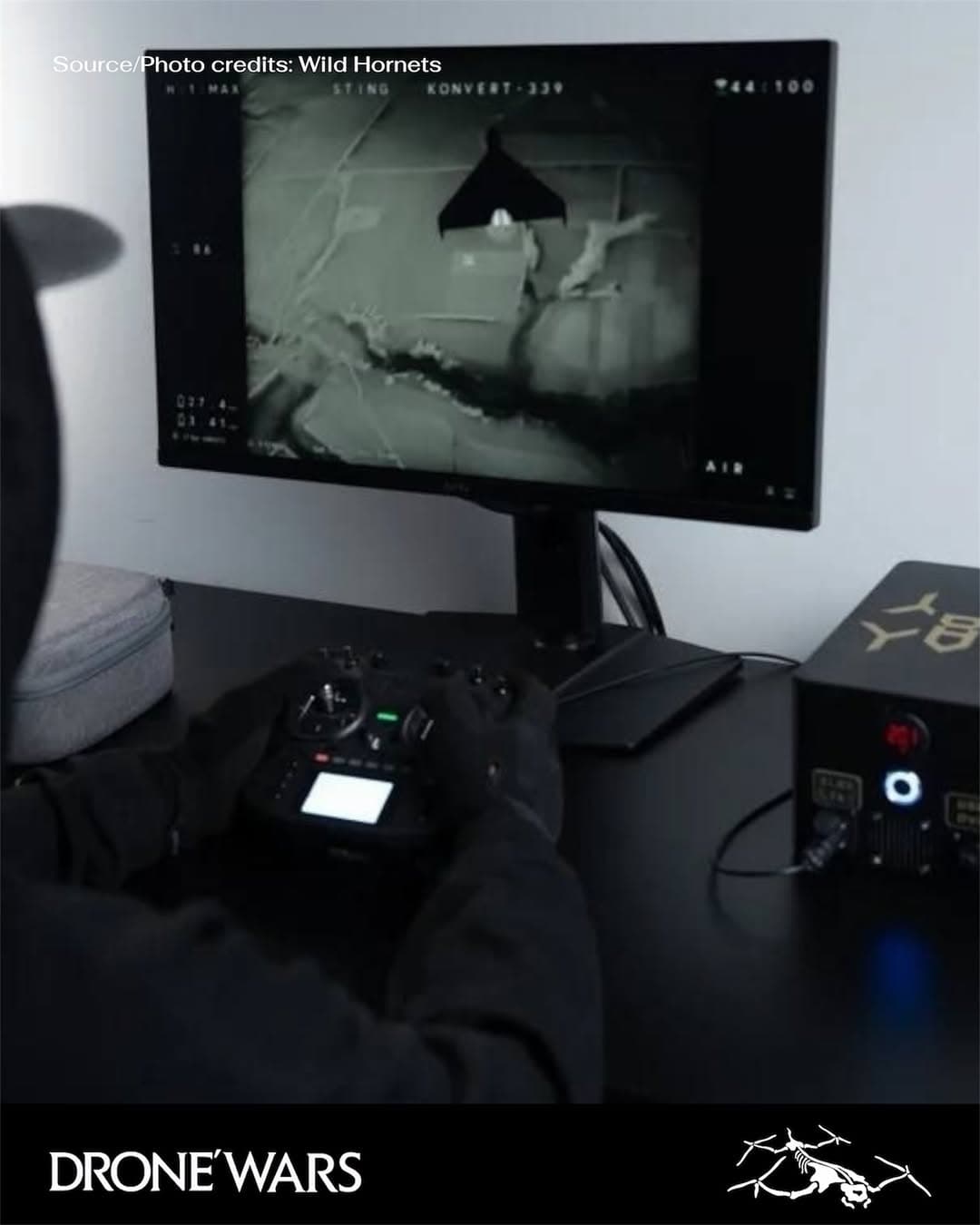
Highlights
- Ukraine's Ministry of Defence certified Wild Hornets' Hornet Vision Ctrl under NATO-standard procedures, making it the first remote drone control system of its kind formally adopted in Ukraine.
- The system allows drone operators to fly missions from more than 500 km behind the front line by connecting a remote workstation to a forward-deployed GCS via a network link.
- In April 2026, Wild Hornets confirmed the first successful combat use at over 500 km distance, and subsequently demonstrated control of the STING interceptor drone at approximately 2,000 km.
- The system package includes a digital-video-equipped GCS, omnidirectional antenna, and remote workstation connection hardware.
- NATO-standard certification positions Hornet Vision Ctrl for potential integration and interoperability with allied drone operations.
Ukraine's Ministry of Defence Officially Certifies Wild Hornets' Hornet Vision Ctrl Remote Drone Control System
Ukraine's Ministry of Defence has completed the coding certification of the Hornet Vision Ctrl remote drone control system, developed by Wild Hornets, in accordance with NATO-standard procedures, and has officially approved it for military service. The system is the first remote drone control system of its kind to receive such certification in Ukraine.
System Architecture and Technical Features
The core concept behind Hornet Vision Ctrl is not to extend the radio communication range of the drone itself, but rather to connect a remote pilot workstation to a forward-deployed Ground Control Station (GCS) via a network link. The drone continues to operate within normal tactical communication range near the battlefield, while the operator can safely carry out missions from hundreds or even thousands of kilometres away.
According to the developer, the system package includes the following key components:
- Ground Control Station: with an integrated digital video transmission system
- Omnidirectional antenna: ensuring stable signal coverage
- Remote workstation connection equipment: enabling rear-echelon operators to access the system remotely
Operational Validation
In April 2026, Wild Hornets publicly disclosed the results of the system's first combat use, with operators successfully completing live engagement missions from more than 500 km from the area of operations. Later that same month, the team demonstrated remote control of the STING interceptor drone from outside Ukrainian territory, at a test distance of approximately 2,000 km.
Strategic Significance
The formal adoption of Hornet Vision Ctrl represents a significant leap in Ukraine's drone warfare capabilities. By allowing operators to remain far from the front line, the system substantially reduces the risk of personnel casualties while sustaining continuous drone operations in high-threat environments. Its NATO-standard certification also lays the groundwork for future allied integration and interoperability.
Image credit: Wild Hornets
原文來源: 查看原文
FAQ
Reviewed and published by the LAETimes editorial desk ·