Vietnam Reveals Counter-Drone Array Built from Six Type 56 Rifles
Vietnamese military media qpvn.vn has released images showing a counter-UAS device consisting of six Type 56 (AK-47 variant) rifles configured as a coordinated array for intercepting low-altitude drone targets. The low-cost setup reflects a broader global trend of using small arms and other affordable means to counter the growing threat posed by small commercial and modified drones on the modern battlefield.
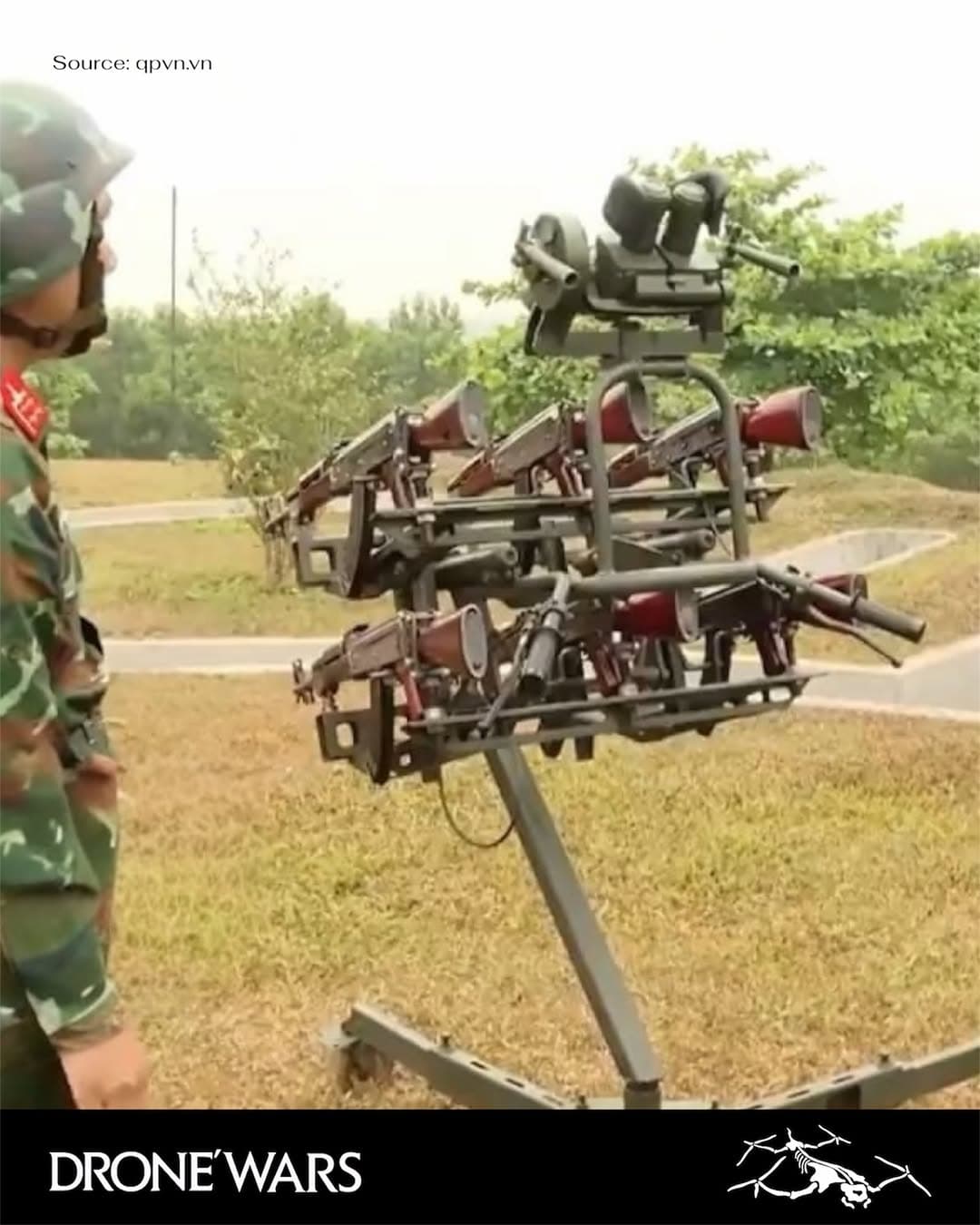
Highlights
- Vietnamese military media qpvn.vn published images of a counter-UAS device built from six Type 56 (AK-47-variant) rifles configured as a coordinated interception array.
- The system targets slow-moving, low-altitude drones and represents a low-cost alternative to expensive surface-to-air missile-based air defense solutions.
- The Type 56 is a Chinese-designed rifle widely used across Southeast Asia; combining six units into one array is intended to increase the probability of hitting aerial targets.
- Vietnam's approach reflects a global C-UAS trend in which militaries explore small arms, jammers, and other affordable kinetic or electronic methods to counter small drone threats.
- No details on the array's operational effectiveness or deployment scale have been officially disclosed.
Vietnam Reveals Counter-Drone Array Built from Six Type 56 Rifles
Vietnamese military media outlet qpvn.vn has published photographs of a counter-UAS (C-UAS) device built around six Type 56 rifles — a Chinese-designed, AK-47-pattern assault rifle widely distributed throughout Southeast Asia. The system appears purpose-built for engaging low-altitude aerial targets.
A Low-Cost Counter-Drone Approach
The configuration has drawn attention from international defense observers. By integrating multiple Type 56 rifles into a single coordinated firing array, the Vietnamese military aims to increase the probability of intercepting slow-moving, low-flying drones — the kind of threat that has proven difficult and disproportionately expensive to engage with conventional surface-to-air missile systems.
This approach mirrors a broader trend seen in militaries around the world: as small commercial drones and modified unmanned systems become increasingly common on the battlefield, armed forces are exploring pragmatic, low-cost countermeasures — including small arms, jamming devices, and net-based interceptors — rather than relying solely on expensive, high-end air defense solutions.
Evolving Counter-UAS Tactics
As drones play an ever-expanding role in modern conflict, C-UAS technology and tactics continue to evolve rapidly. Current countermeasure options range from electronic jamming and GPS spoofing to kinetic intercept methods. Vietnam's publicly displayed small-arms array represents a grassroots, easily deployable solution that prioritizes practicality and accessibility over technological sophistication.
No further details regarding the system's operational effectiveness or the scale of its deployment have been disclosed at this time.
Image source: qpvn.vn
原文來源: 查看原文
FAQ
Reviewed and published by the LAETimes editorial desk ·


