Flytrex and Wing Build a Drone Air Traffic Coordination System — But a Critical Gap Remains
Rivals Flytrex and Wing spent a year sharing airspace over suburban North Texas, completing roughly 8,000 cross-operator flights with zero airspace conflicts. The system automatically coordinates flight plans using the ASTM F3548-21 standard, requiring no human intervention. However, it only handles pre-flight path deconfliction and cannot broadcast in-flight emergency states to other operators in real time — a significant gap separating it from true air traffic control.
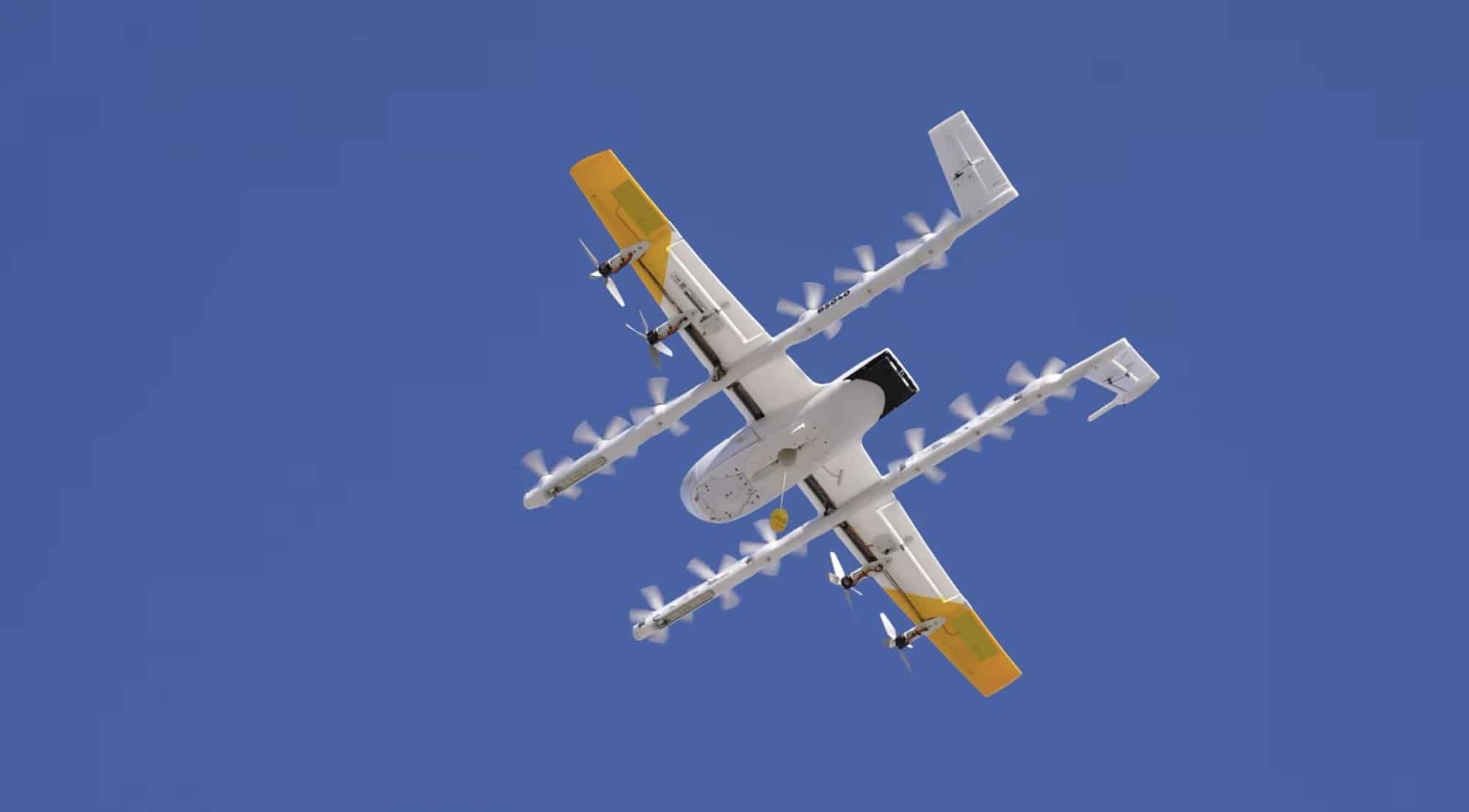
Highlights
- Flytrex and Wing completed approximately 8,000 cross-operator drone flights over Little Elm and Wylie, Texas with zero airspace conflicts between January and February 2026.
- The system uses ASTM F3548-21-based Strategic Deconfliction to automatically coordinate flight paths, achieving 100% conflict resolution with no human controller involvement.
- Combined daily flight volume grew 215% during the trial period, with both operators sharing airspace for more than 10 hours on most active flying days.
- The system cannot broadcast real-time in-flight emergency or contingency states between operators, meaning a mid-flight deviation by one drone does not automatically alert the other operator's aircraft.
- FAA Part 108, which would enable routine BVLOS operations without case-by-case waivers, missed its February 1, 2026 deadline; more than half of ~3,100 public comments focused on drone-vs-manned-aircraft right-of-way rules.
Two competing drone delivery companies spent a year over suburban North Texas building an air traffic coordination system that requires no human intermediary — and the headline numbers are impressive: approximately 8,000 cross-operator flights with zero airspace conflicts. Flytrex and Wing shared airspace over Little Elm and Wylie, Texas, allowing their drones to automatically negotiate flight paths through a common software standard rather than relying on ground-controller radio commands. Between January and February 2026, both operators flew on 30 of 31 active flying days, frequently sharing airspace for more than 10 hours a day, with the system successfully resolving conflicts across 100% of submitted flight plans.
The result deserves serious recognition. Two competitors coexisting in a one-mile-wide suburban corridor without federal controller involvement is the closest thing the industry has yet produced to a real, scalable solution for delivery operations. But the system only solves half the problem — it coordinates where drones plan to fly, not what happens when something goes wrong mid-flight. That gap is the real story here.
The Wylie Test Site: Just 1.36 Miles Apart
The most demanding location in the trial was Wylie, where Wing's facility sits just 1.36 miles from Flytrex's Dallas–Fort Worth East operations hub. That proximity is precisely what makes the results meaningful. Two operators launching from drone ports less than a mile apart will inevitably have intersecting flight paths, and a mid-air collision between delivery drones would hand regulators a compelling reason to slow the entire industry down.
The core mechanism is Strategic Deconfliction: Flytrex and Wing exchange flight intent data, and the system automatically adjusts routes to ensure no two aircraft are scheduled to occupy the same airspace simultaneously — no phone calls, no shared control rooms. Between January and February 2026, combined daily flight volume grew 215%, and the deconfliction system held throughout that growth. Flytrex has now completed more than 200,000 deliveries in the United States; Wing has surpassed 1 million flights with Walmart alone. This is not a proof-of-concept demo from two startups — it is the two largest commercial operators in the U.S. agreeing to share airspace through open standards rather than staking out exclusive territory.
Strategic Deconfliction Is Not In-Flight Conflict Resolution
The system coordinates pre-flight and in-flight plans, but there is currently no mechanism for one operator to broadcast a real-time in-flight emergency or contingency state to the other. Flytrex Product Manager and U.S. UTM Technical Committee Co-Chair Shai Karassikov acknowledged this directly: planned route changes can be shared across the network, but each operator independently manages its own emergency landing and contingency procedures within the boundaries of its own FAA approvals.
This is the fundamental difference between this system and the air traffic control it is sometimes likened to. When a manned aircraft declares an emergency, controllers know immediately and can clear the surrounding airspace. In the Dallas system, if a Flytrex drone deviates from its planned route, loses GPS, or is forced into an emergency landing, Wing's aircraft are not automatically notified. Each company handles its own crises inside its own safety bubble.
The 100% conflict-resolution figure describes planned intent that never conflicted — not what happens when a flight plan fails. The latter is the scenario that actually produces collisions.
This issue will only grow more consequential as the airspace becomes more crowded. As of January 2026, the FAA's UTM Operational Evaluation encompasses 17 service providers and operators, with the architecture designed to scale to Zipline, Amazon Prime Air, and others. When a fourth or fifth operator enters the same metro area, the absence of a shared emergency-state mechanism stops being a footnote and becomes a structural problem. Strategic deconfliction scales relatively easily — it is fundamentally a data-exchange problem. Contingency coordination is the harder engineering challenge, and it remains on the to-do list.
Industry Is Building the System Because Regulation Isn't Finished
Private companies are constructing this quasi-ATC infrastructure because the federal regulatory framework that should govern such operations remains incomplete. FAA Part 108 — the rule intended to allow routine BVLOS operations without case-by-case waivers — missed its February 1, 2026, deadline and is still pending. The most contested provision concerns right-of-way between drones and manned aircraft at low altitudes; more than half of roughly 3,100 substantive public comments touched on that single question.
So Flytrex and Wing did what the drone industry has done at every stage of its technical development: they built the system themselves and handed operational data to the FAA for ongoing review rather than waiting for permission. Eight thousand conflict-free flights constitute a powerful data-driven argument that shared sky does not require partitioned, operator-exclusive corridors — a compelling case for a regulator still deciding how to allocate low-altitude airspace.
DroneXL's Take
Before the criticism, the credit: this is what drones doing real work looks like. Two competitors choosing open-standard airspace sharing over lobbying for exclusive zones, proven over a year of actual commercial operations — that is the right approach, and it stands in direct contrast to those who would use protectionist geographic carve-outs to keep rivals out.
But the label "autonomous air traffic control" deserves scrutiny. True ATC is defined by its performance during emergencies, not routine operations. The Dallas system performs well in routine conditions, elegantly resolving path conflicts. It does not yet share in-flight emergency states between operators — and that is the single most critical function real ATC provides: clearing surrounding aircraft when one goes into crisis. Calling pre-flight path coordination "air traffic control" is like calling a restaurant reservation system a fire alarm. Both serve a purpose; they are not the same thing, and conflating them sets public expectations the technology has not yet earned.
In-flight drone failures are not hypothetical. Amazon's 83-pound MK30 drone struck a crane in Arizona, severed a cable line in Waco, and collided with an apartment building in Richardson — all within roughly a year. These were single-operator incidents that shared broadcast mechanisms would not have prevented, because they originated from internal vehicle failures. That is precisely the point: a drone that has already deviated from its flight plan is an event the strategic deconfliction layer cannot detect. As more operators enter the same metro area, the question is not whether aircraft will fail mid-flight, but whether other operators will be notified in time to maneuver clear.
Watch the next phase of the UTM Operational Evaluation to see whether contingency and emergency state broadcasting gets incorporated into the standard. That upgrade would earn the "air traffic control" label. Until then, the honest framing is this: Flytrex and Wing solved the solvable half of the problem and validated it in live commercial airspace — worth celebrating, but not worth overstating. The operators who are candid about where their systems fall short are the ones worth trusting.
Sources: Forbes; Flytrex via Business Wire.
Reported and written by Haye Kesteloo.
原文來源: 查看原文
FAQ
Reviewed and published by the LAETimes editorial desk ·