Shield AI's V-BAT VTOL Drone Joins Japan Maritime Self-Defense Force as First Shipborne ISR Platform
Shield AI's V-BAT VTOL reconnaissance drone, previously deployed in Ukraine, was selected in January 2025 as the Japan Maritime Self-Defense Force's first-ever shipborne ISR platform. The system requires no runway, offers 10–13 hours of endurance, a datalink range exceeding 130 km, and carries EO/IR sensors for all-weather maritime surveillance.
Highlights
- Shield AI's V-BAT was selected in January 2025 as the Japan Maritime Self-Defense Force's first-ever shipborne ISR drone platform.
- The V-BAT offers 10–13 hours of flight endurance and a datalink range exceeding 130 km (80+ miles), operating at altitudes up to 20,000 ft.
- The system requires no runway and can take off and land vertically from a ship's deck, enabling flexible maritime deployment.
- The V-BAT has prior combat experience from Ukrainian front-line reconnaissance missions and has also been adopted by the U.S. Marine Corps.
- Japan's adoption of the V-BAT is intended to strengthen its maritime ISR capabilities across the Western Pacific amid growing Indo-Pacific security challenges.
Shield AI's V-BAT VTOL Drone Officially Joins the Japan Maritime Self-Defense Force
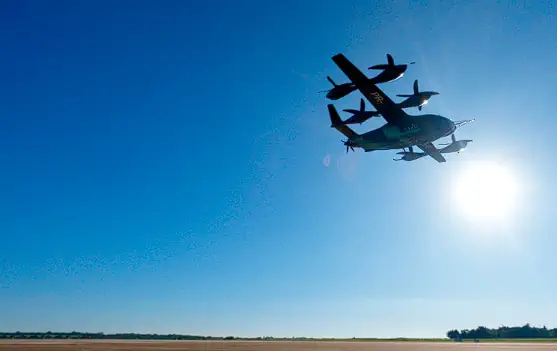
Shield AI's V-BAT vertical take-off and landing (VTOL) reconnaissance drone — previously deployed on the Ukrainian battlefield for ISR missions — has now entered service with the Japan Maritime Self-Defense Force (JMSDF). In January 2025, the V-BAT was selected as the JMSDF's first-ever shipborne intelligence, surveillance, and reconnaissance (ISR) platform, marking a significant milestone in Japan's naval unmanned capabilities.
Designed for Naval Operations
The V-BAT's core advantage lies in its VTOL capability, which eliminates the need for a conventional runway and allows the system to take off and land directly from a ship's deck, greatly enhancing flexibility for maritime deployments. Key technical specifications include:
- Endurance: 10 to 13 hours
- Datalink range: Over 130 km (80+ miles)
- Maximum operating altitude: Approximately 20,000 ft (approx. 6,100 m)
- Sensor suite: Electro-optical/infrared (EO/IR) sensors, maritime surveillance payloads, and mission-specific equipment
- Operational capability: All-weather target detection and reconnaissance
Combat-Proven Reliability
The V-BAT is not an untested platform. Ukraine previously deployed it at the front line for battlefield reconnaissance, accumulating valuable real-world operational experience. The U.S. Marine Corps has also selected the V-BAT, and multiple allied militaries have conducted evaluation trials, demonstrating the system's broad applicability across services and nations.
Strengthening Maritime ISR Capability
The JMSDF's adoption of the V-BAT will significantly enhance Japan's maritime intelligence, surveillance, and reconnaissance capabilities across the Western Pacific. Against the backdrop of an increasingly complex Indo-Pacific security environment, this long-endurance, highly mobile shipborne drone is set to become an indispensable asset within Japan's maritime defense architecture.
Image credit: Japan Maritime Self-Defense Force
原文來源: 查看原文
FAQ
Newsletter
Subscribe to our Low-Altitude Industry Newsletter
Daily curated news on low-altitude economy and drone industry, delivered to your inbox.
Reviewed and published by the LAETimes editorial desk ·