U.S. Navy Strikes Iranian Command, Control and Surveillance Facilities in Tehran
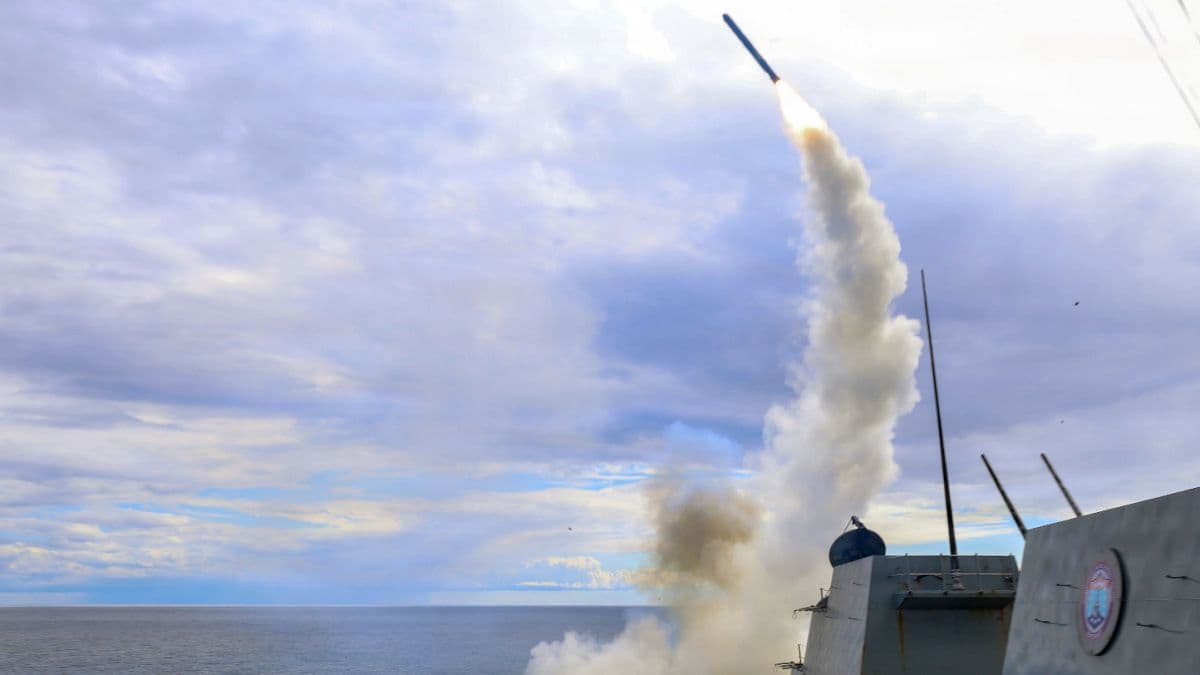
The United States launched military strikes against Iran on Tuesday after President Donald Trump accused Tehran of shooting down a U.S. Army AH-64 Apache attack helicopter over the Strait of Hormuz. The strikes targeted command, control and surveillance facilities in the Iranian capital, further escalating regional tensions and casting doubt over prospects for a peace agreement.

Highlights
- The U.S. Navy struck command, control and surveillance facilities in Tehran on Tuesday following Iran's alleged downing of a U.S. AH-64 Apache helicopter over the Strait of Hormuz.
- President Donald Trump stated the U.S. would not tolerate attacks on its military personnel or equipment, justifying the retaliatory strikes.
- The targeted facilities in Tehran serve as military nerve centers responsible for troop coordination, intelligence gathering, and battlefield situational awareness.
- The incident underscores the strategic importance of UAS and surveillance technology in modern geopolitical conflicts, as demonstrated by strikes on Iranian monitoring infrastructure.
- Analysts warn the military escalation significantly jeopardizes U.S.-Iran diplomatic negotiations and increases instability across the Middle East.
U.S. Navy Strikes Iranian Command, Control and Surveillance Facilities in Tehran
The United States conducted military strikes against Iran on Tuesday, following President Donald Trump's accusation that Tehran shot down a U.S. Army AH-64 Apache attack helicopter over the Strait of Hormuz. The operation has significantly escalated regional tensions and raised serious doubts about the prospects for any U.S.-Iran peace agreement.
Background
An American Apache helicopter reportedly on patrol over the Strait of Hormuz was shot down by Iranian forces, prompting a swift U.S. military response. President Trump stated that the United States would not tolerate any attack on its military personnel or equipment.
Targets Struck
The U.S. Navy's strikes focused on command, control and surveillance (C2S) facilities in the Iranian capital, Tehran. Such facilities typically serve as the nerve centers of military operations, responsible for coordinating troop movements, intelligence gathering, and battlefield situational awareness.
Role of Drones and Aviation Assets
In modern military conflicts, unmanned aircraft systems (UAS) and airborne reconnaissance assets play a critical role in command, control and surveillance operations. The Apache helicopter shot down in this incident is one of the U.S. military's primary attack platforms, widely used for reconnaissance, close air support, and maritime patrol missions. The U.S. strike on Iranian surveillance infrastructure also underscores the growing strategic importance of drone and surveillance technology in contemporary geopolitical conflicts.
Peace Prospects Overshadowed
The military exchange has further clouded an already fragile diplomatic landscape between Washington and Tehran. Analysts warn that the escalation of military confrontation risks derailing any ongoing diplomatic efforts, adding greater uncertainty to the security outlook across the Middle East.
The international community is closely monitoring developments, with multiple parties calling on both the United States and Iran to exercise restraint and prevent further escalation.
原文來源: 查看原文
FAQ
Newsletter
Subscribe to our Low-Altitude Industry Newsletter
Daily curated news on low-altitude economy and drone industry, delivered to your inbox.