反無人機產業擴張加速,Tytan Technologies 投資德國新廠應對歐洲防禦需求
總部位於慕尼黑的 Tytan Technologies 宣布在德國投資新製造工廠,預計今年8月投產,月產能最高達3,000架自主攔截無人機。該公司執行長 Balázs Nagy 表示,其系統已在烏克蘭實戰驗證,將防禦成本相比傳統系統降低200倍。公司產品包括針對小型無人機的 EOS 多旋翼系統與針對中型系統的 METIS 固定翼機型,均採用自主飛行與 AI 技術。除德國外,波蘭與匈牙利也被列為潛在擴廠地點,反映出歐洲對反無人機系統日益迫切的安全需求。
慕尼黑反無人機公司 Tytan Technologies 宣布在德國建設新廠,預計8月投產,月產能達3,000架自主攔截機。該公司以烏克蘭實戰驗證其系統,成本僅為傳統防禦方案的1/200。
重點速覽
- Tytan Technologies 德國新廠8月投產,月產能最高3,000架自主攔截無人機
- 公司系統成本較傳統防空方案低200倍,已在烏克蘭廣泛部署驗證
- EOS 與 METIS 兩款產品搭載 AI 自主技術,涵蓋小型及中型威脅攔截
- 德國、波羅的海三國等北約盟國已採用,波蘭、匈牙利被評估為下一擴廠地點
- 公司宣稱建立可複製生產藍圖,支持歐洲多地快速擴產
文章重點
- Tytan Technologies 德國新廠預計 2025 年 8 月投產,月產能最高達 3,000 架自主攔截無人機。
- 執行長 Balázs Nagy 表示,其系統在烏克蘭實戰驗證,防空成本較傳統系統降低 200 倍。
- Tytan Technologies 系統已獲德國、波羅的海三國等盟國採用,市場持續擴大。
- 公司考慮在波蘭與匈牙利設立額外工廠,以支應歐洲市場快速增長的需求。
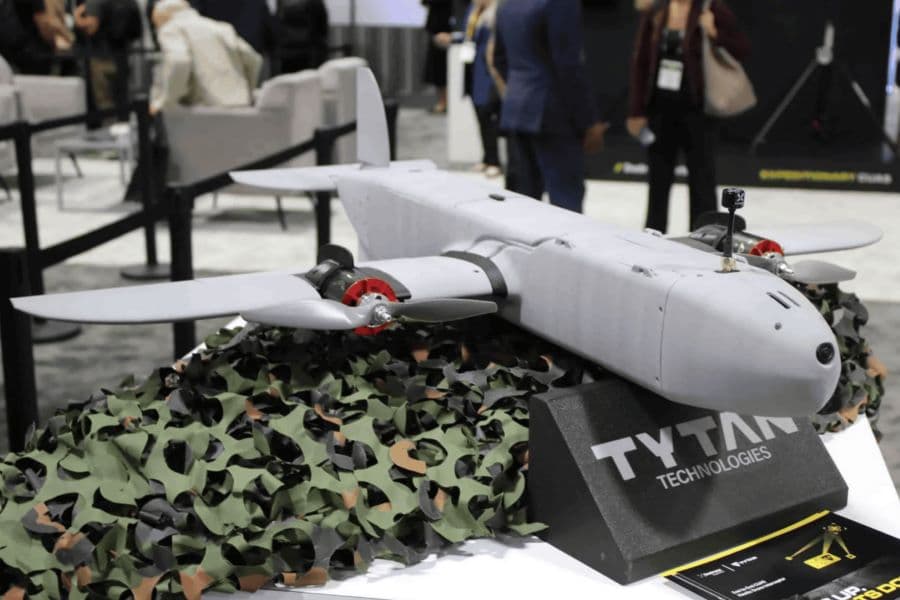
- 產品線涵蓋 EOS(多旋翼,對抗 NATO Class I 無人機)與 METIS(固定翼,對抗 NATO Class II 無人機)兩款系統。
烏克蘭實戰驗證加速產業化進程
總部位於慕尼黑的反無人機新創公司 Tytan Technologies 正式宣布在德國建設新製造工廠的計劃。根據公司公告,這座新廠預計於今年8月正式投產,將成為歐洲重要的攔截無人機生產基地,月產能最高可達3,000架。
該公司執行長兼共同創辦人 Balázs Nagy 在聲明中指出,烏克蘭的實戰環境推動了公司技術的快速迭代與驗證。在當前的無人機戰爭中,傳統防空系統面臨成本效益危機——昂貴的大型平台被成本極低的民用無人機改裝威脅摧毀,造成防禦經濟效益嚴重失衡。
「我們的創新方向是大幅翻轉這個邏輯,」Nagy 強調。「通過生產輕量化、成本低廉的自主攔截無人機,搭配高度精密的軟體與 AI 決策系統,我們成功將防禦同一空域的總成本降低至傳統系統的1/200,這是典範級的轉變。」
產品線覆蓋多層級空中威脅
Tytan Technologies 目前的產品陣容包括兩款核心系統。EOS 攔截機是一款多旋翼無人機,專門對抗北約分類中的 Class I 小型無人機系統;METIS 則為固定翼設計,用於攔截更大型的北約 Class II 無人航空系統。兩款系統均內建自主飛行能力與 AI 智慧引擎,能在複雜戰場環境中自動偵測、追蹤並攔截空中威脅。
該公司指出,其系統已獲得德國及波羅的海三國(立陶宛、拉脫維亞、愛沙尼亞)等北約成員國採用,顯示其反無人機方案在歐洲防禦圈內已建立初步信譽。
歐洲多點擴張計畫啟動
Tytan Technologies 並未止步於德國。Nagy 表示,新廠投產後,公司已建立一套可在不同地域快速複製的製造藍圖。波蘭與匈牙利目前被列為評估中的下一批擴廠地點,反映出歐洲各國對本地化反無人機生產與部署的迫切需求。
這一擴張策略符合歐洲地緣政治安全的大方向。俄烏衝突以來,北約成員國對無人機威脅防禦的投資大幅增加,反無人機技術從過去的「可有可無」逐漸演變為戰場生存必需品。Tytan Technologies 的快速擴產,正是對這一市場趨勢的直接回應。
成本優勢成核心競爭力
Nagy 多次強調成本優勢是該公司的核心競爭力。傳統防空系統(如帕里奧特防空系統等)單套系統造價數千萬美元,而 Tytan 的攔截無人機單機成本估計在數萬至數十萬美元級別。這種數百倍的成本差異,使得各國軍方可以部署更多數量的防禦單位,形成分散式、難以摧毀的防禦網絡。
這一成本結構在烏克蘭長期消耗戰中展現出極高的實用價值,也吸引了北約多國的採購興趣。隨著德國新廠投產,Tytan Technologies 有機會將這一成本優勢進一步轉化為市場佔有率。
對台灣業者的意義
對台灣而言,Tytan Technologies 的擴產動向傳遞兩層訊號。首先,反無人機(Counter-UAS)產業正從邊緣走向核心——歐洲防禦預算傾斜、北約多國採購,反映出全球軍方對此類系統的認可度大幅提升。台灣無人機廠商如願意參與反無人機系統研發(例如改裝偵測或攔截能力),將面臨新的出口與技術合作機會,但須注意台灣現行《遙控無人機管理規則》對軍用無人機改裝的限制。其次,Tytan 的低成本、高頻次部署模式對台灣的本土防禦規劃也有參考價值——在預算有限的前提下,應優先評估自主攔截技術而非高價傳統防空方案。業者應持續關注歐洲反無人機標準與 NATO 相容性要求的演變。
常見問題
Newsletter
訂閱低空產業電子報
每日精選低空經濟與無人機產業新聞,直送您的信箱。
本文由 LAETimes 編輯部審核發佈 ·