The Numbers Don't Lie: 100 B-21 Raiders Is Far Too Few for the U.S. Air Force
The B-21 Raider stealth bomber may be the most advanced aircraft of its kind ever built, but at $700 million per airframe, the U.S. Air Force's plan to acquire just 100 is widely considered insufficient to counter threats from China and Russia. Analysts argue that investing the same budget in large drone swarms and hypersonic weapons could deliver far greater operational value.
Highlights
- The U.S. Air Force has scaled back its B-21 Raider procurement target from approximately 300 airframes to just 100, at a unit cost of $700 million each.
- A fleet of only 100 B-21s is considered strategically insufficient for a potential two-front conflict involving both China and Russia, where planners say the full 300 aircraft would be needed.
- The B-21 budget competes against other major U.S. defense programs within a proposed $1.5 trillion defense budget, including the Golden Dome missile shield and the F-47 NGAD fighter.
- The B-2 Spirit precedent shows a similar pattern: the Air Force sought over 100 B-2s but received only 20, leaving just 19 aging airframes in service today.
- Analysts argue that drone swarms and accelerated hypersonic weapons programs could provide greater operational impact per dollar compared to a small fleet of expensive stealth bombers.
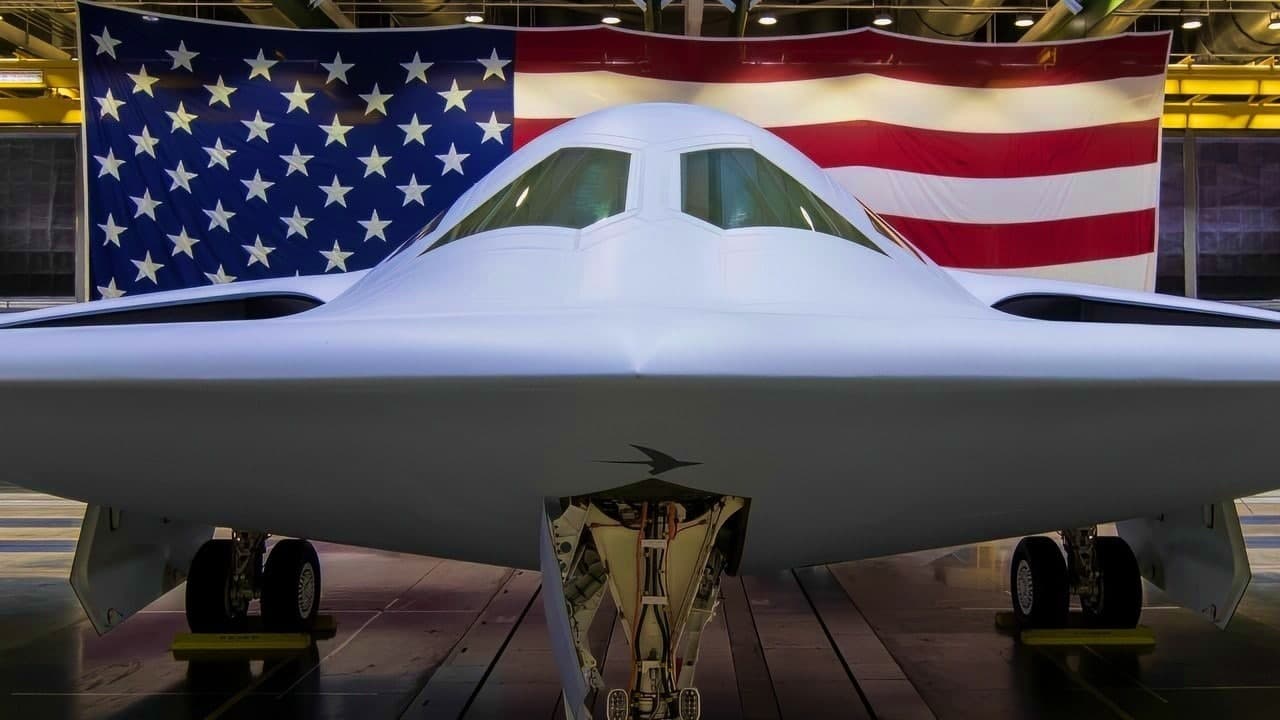
The B-21 Raider long-range nuclear-capable stealth bomber may be the most technologically advanced bomber ever built. Yet in terms of sheer numbers, it falls critically short of what is needed to make a meaningful strategic impact.
The U.S. Air Force originally sought to procure approximately 300 airframes.
Today, the service says it can accept a fleet of 100. But at $700 million per aircraft, even that scaled-back figure represents a severe strain on Air Force budgets.
Despite a proposed U.S. defense budget of $1.5 trillion, the B-21 must now compete for funding against a crowded field of major programs — including the "Golden Dome" national missile defense system, the F-47 Next Generation Air Dominance (NGAD) fighter, and the Navy's potential F/A-XX sixth-generation carrier-based strike aircraft. Securing enough funding for 100 B-21s, let alone more, appears increasingly unlikely.
The B-2 Spirit: A Cautionary Tale
The predicament facing the Air Force today closely mirrors what happened with the B-2 Spirit stealth bomber. During the 1980s and 1990s, the Air Force had hoped to procure more than 100 B-2s, but ultimately had to accept just 20. Today, only 19 remain in service — and they are aging rapidly. That obsolescence is precisely why the Air Force needs a next-generation replacement.
Many Air Force planners privately acknowledge that even 100 B-21s would be insufficient to match the current threat environment.
Stealth aircraft are inherently complex, maintenance-intensive systems. Larger fleets yield higher overall readiness rates; conversely, undersized fleets dramatically undermine operational preparedness.
Why Fleet Size Matters in Modern Warfare
A fleet of just 100 B-21s would severely compress the type's real-world combat availability.
This is particularly concerning given that the Pentagon is increasingly worried about a two-front war involving both China and Russia. In such a scenario, the U.S. military would need something close to the originally planned 300 airframes before the B-21 could deliver genuine value for money.
In high-intensity conflict, some aircraft will inevitably be lost in combat. A fleet of only 100 simply cannot sustain losses while maintaining adequate combat effectiveness.
Once attrition sets in after the first major engagements, the operational value of the type would decline sharply — and serious questions would arise about whether spending enormous sums of taxpayer money on just 100 B-21s was ever worth it.
Drones and Hypersonic Weapons Could Deliver More Capability for Less
For a fraction of the cost required to procure B-21s, the U.S. Air Force could instead field massive drone swarms capable of overwhelming enemy air defense and missile defense networks through saturation attacks.
Unless the Air Force can rapidly procure the 300 airframes its designers originally envisioned, the B-21 will never achieve its full operational potential — not 100, not even 200, but 300.
A sophisticated platform like the B-21 requires all supporting conditions to be in place before it can fulfill its intended mission. Under current circumstances, the Air Force is effectively wagering vast amounts of American taxpayer money on a system that may not perform as expected in a high-intensity combat environment.
The smarter approach may well be to mass-produce drones and to accelerate the long-promised — but persistently underdelivered — hypersonic weapons programs.
These are the weapons that can actually make a difference against peer adversaries such as China or Russia. And these are precisely the capabilities the United States currently lacks most.
Brandon J. Weichert is a senior national security editor at 19FortyFive.com and the author of four bestselling national security books. His latest work is A Disaster of Our Own Making: How the West Lost Ukraine.
原文來源: 查看原文
FAQ
Newsletter
Subscribe to our Low-Altitude Industry Newsletter
Daily curated news on low-altitude economy and drone industry, delivered to your inbox.
Reviewed and published by the LAETimes editorial desk ·