Ukraine's Drone Blitz in the Sea of Azov: 48 Russian Shadow Fleet Tankers Struck Within 120 Hours
Ukraine's Unmanned Systems Forces launched an unprecedented drone offensive in the Sea of Azov beginning July 6, 2026, striking 48 Russian 'shadow fleet' tankers within 120 hours. The campaign peaked on July 9 with 14 vessels hit in a single day. Thermal imaging footage documented multiple explosions, marking a major milestone in Ukraine's use of drones for large-scale maritime combat operations.
Highlights
- Ukraine's Unmanned Systems Forces struck 48 Russian shadow fleet tankers in the Sea of Azov within 120 hours, beginning July 6, 2026.
- The operation peaked on July 9, 2026, with 14 vessels hit by drone strikes in a single day.
- Targets were aging oil tankers supplying occupied Crimea, operating in the regulatory grey zone of Western sanctions.
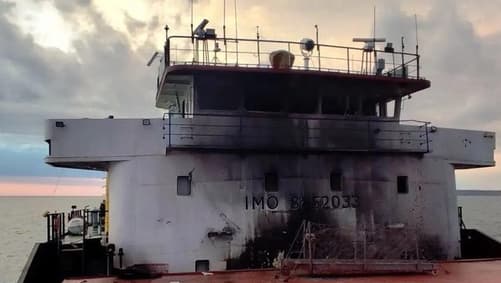
- Thermal imaging footage released by Ukraine documented multiple tanker fires and explosions, confirming operational results.
- The operation is considered a major milestone in large-scale maritime drone warfare, with analysts expecting the low-cost drone vs. high-value target tactic to be widely studied.
Ukraine's Unmanned Systems Forces launched an unprecedented drone offensive in the Sea of Azov starting July 6, 2026, striking nearly 50 vessels from Russia's so-called 'shadow fleet' within just 120 hours. The operation dealt a significant blow to Russia's logistics chain for supplying oil to occupied Crimea.
Scale and Timeline of the Operation
According to information released by the Ukrainian military, the operation began on July 6 and intensified steadily before reaching its peak on July 9, when 14 vessels were struck in a single day. In total, 48 ships were targeted over the course of the campaign. The targets were almost exclusively aging tankers operating in the regulatory grey zone created by Western sanctions — vessels widely known as Russia's 'shadow fleet.'
Strategic Significance of the Shadow Fleet
The 'shadow fleet' refers to a collection of aging vessels — often of unclear registry or flagged under third-party nations — that Russia uses to circumvent Western sanctions on its oil exports. These ships are critical to maintaining energy supplies to occupied territories and sustaining Russia's oil export revenues.
Crimea has been under illegal Russian occupation since 2014, and maritime supply routes have remained a vital lifeline for Russian military forces stationed there as well as for civilian operations on the peninsula.
By targeting tankers in the Sea of Azov, Ukraine aimed to fundamentally sever Crimea's energy supply chain, applying sustained strategic pressure on Russia's continued occupation.
Drone Tactics and Visual Documentation
Thermal imaging footage released by the Ukrainian military clearly showed multiple tankers catching fire or exploding after being struck by drones. The footage serves both as evidence of operational results and as a demonstration of the Unmanned Systems Forces' growing tactical proficiency in engaging maritime targets.
Ukraine has invested heavily in developing its drone capabilities in recent years, achieving significant advances in both land-based and maritime attack drone technology. The Sea of Azov operation is widely regarded as a landmark milestone in Ukraine's large-scale deployment of drones for naval warfare.
International Attention and Broader Implications
The operation has drawn significant international attention. Analysts note that if Ukraine can continue to threaten the shadow fleet, it will further constrict Russia's oil export capacity, indirectly undermining the financial resources sustaining its war effort. Russia has not issued any official response to the reported losses.
The rise of Ukraine's Unmanned Systems Forces is reshaping the conduct of modern maritime conflict. The tactic of deploying low-cost drones against high-value naval targets is expected to become a subject of ongoing study and emulation in future military conflicts worldwide.
原文來源: 查看原文
FAQ
Reviewed and published by the LAETimes editorial desk ·