Ukraine Has Struck Russian Oil Refineries 194 Times Since January, Triggering Severe Fuel Shortages
Ukraine has launched 194 long-range drone strikes against Russian oil refineries since January 2026 — roughly 11 times more than the same period in 2025. Analysts say the campaign has disrupted approximately one-third of Russia's refining capacity, causing fuel queues stretching kilometers at petrol stations and sparking what observers describe as Russia's worst energy crisis in years.
Highlights
- Ukraine has launched 194 long-range drone strikes on Russian oil refineries since January 2026, an approximately 11-fold increase over the same period in 2025.
- The drone campaign has disrupted roughly one-third of Russia's total refining capacity, according to energy industry analysts.
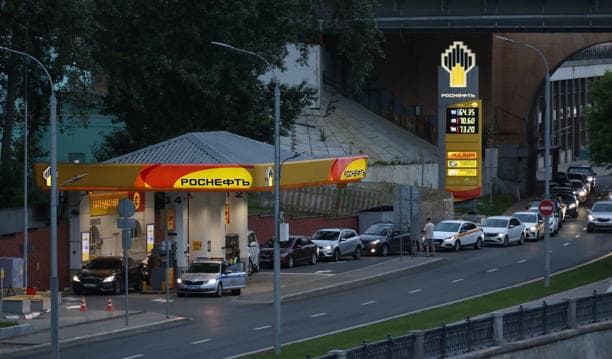
- Fuel shortages have caused kilometer-long vehicle queues at petrol stations across multiple Russian cities and regions, with some areas experiencing complete outages.
- Freight and logistics operators report that unstable diesel supplies are pushing consumer prices higher across Russia.
- Analysts warn that sustained attacks could extend fuel shortages to Russian military logistics and long-term supply chains.
Ukraine has dramatically escalated its long-range drone campaign against Russian energy infrastructure, recording 194 strikes on oil refineries since January 2026 — an approximately 11-fold increase compared with the same period in 2025. The scale of the offensive has delivered an unprecedented shock to Russia's domestic fuel supply chain.
Refining Capacity Severely Disrupted
Energy industry analysts estimate that Ukraine's intensive drone campaign has disrupted or halted roughly one-third of Russia's total refining capacity. Multiple large refineries across Russian territory have been struck in rapid succession; several facilities sustained serious damage, with repair timelines stretching over extended periods, causing a sharp decline in finished petroleum product output.
Long Queues at Petrol Stations as Civilian Impact Mounts
The tightening fuel supply has spilled directly into everyday life for Russian citizens. Reports indicate widespread queuing at petrol stations across numerous cities and regions, with lines of cars and trucks stretching for kilometers. Some areas have experienced outright fuel outages. Freight operators have reported that unstable diesel supplies are severely disrupting logistics and transport efficiency, in turn pushing consumer prices higher.
Strategic Value of Long-Range Drones on Full Display
The campaign has once again underscored the strategic value of long-range attack drones as a weapon of choice in modern asymmetric warfare. By deploying a sustained, high-volume stream of relatively low-cost drones against high-value energy infrastructure, Ukraine has succeeded in creating persistent pressure deep inside Russian territory — achieving a cost-effectiveness ratio that conventional weapons would struggle to match.
Analysts warn that if the pace of attacks is maintained, Russia's fuel shortages could deepen further, affecting not only civilian demand but potentially creating long-term disruptions to military logistics and supply chains.
Editor's note: This article is compiled from publicly available reporting summaries. For full details, please refer to the original source reporting.
原文來源: 查看原文
FAQ
Newsletter
Subscribe to our Low-Altitude Industry Newsletter
Daily curated news on low-altitude economy and drone industry, delivered to your inbox.
Reviewed and published by the LAETimes editorial desk ·