When the Pentagon Called a Mac a Weapon: How Steve Jobs Turned a 1999 Export Ban into a Marketing Masterstroke
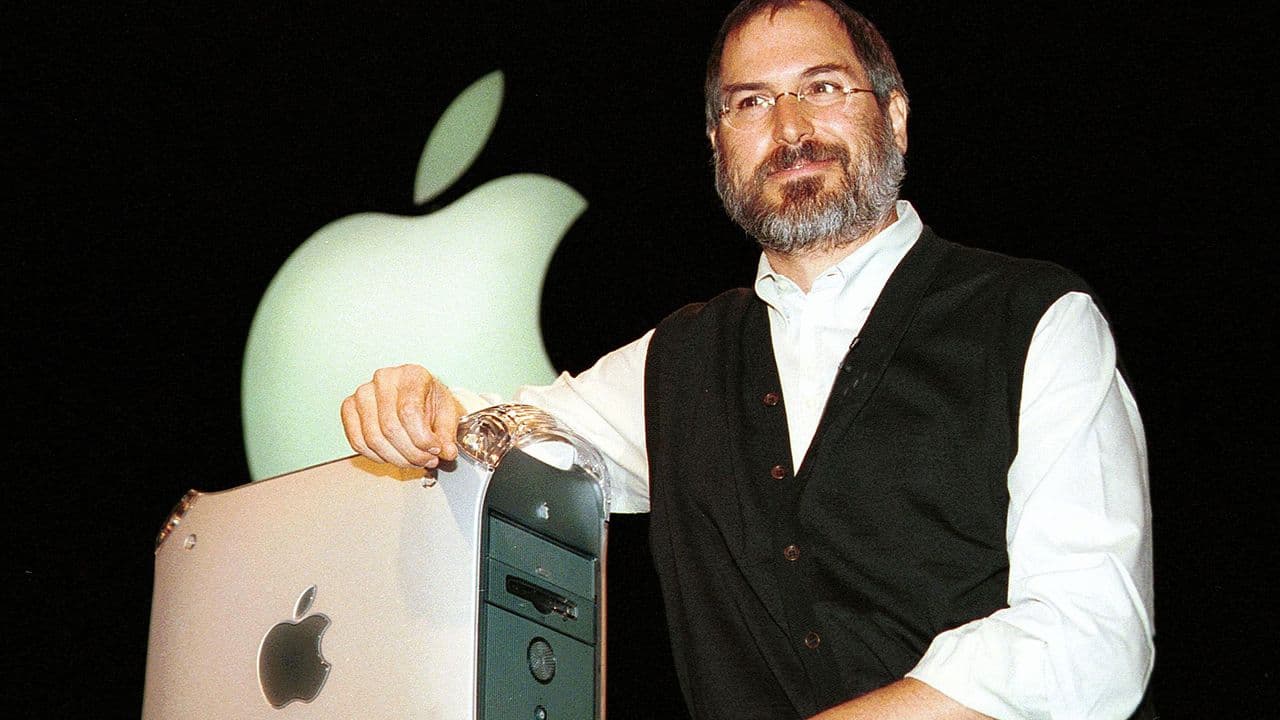
In 1999, Apple's Power Mac G4 was classified as a weapon by the U.S. Pentagon and banned from export to 50 countries due to its supercomputer-level processing power. Rather than downplaying the issue, Steve Jobs leveraged the ban as a bold marketing message, declaring the G4 'the first personal computer ever classified as a weapon' — turning a regulatory crisis into one of tech history's most memorable campaigns.
Highlights
- In 1999, the U.S. Pentagon classified Apple's Power Mac G4 (400 MHz) as a weapon under the Export Administration Regulations, banning its sale to 50 countries.
- The Power Mac G4 was the first consumer-grade personal computer in history to exceed the U.S. government's MTOPS threshold for high-performance computing exports.
- Steve Jobs responded to the export ban by using it as a marketing slogan, declaring the G4 'the first personal computer ever classified as a weapon.'
- Rather than hurting sales, Jobs' reframing of the ban strengthened the Power Mac G4's positioning as a product that surpassed all competitors.
- The 1999 incident is widely referenced today as export controls on AI chips, drone components, and advanced semiconductors re-emerge as major global trade issues.
As export control debates once again dominate global tech headlines, it is worth revisiting a remarkably dramatic episode from 1999: Apple's Power Mac G4, equipped with a 400 MHz processor, was deemed by the U.S. Pentagon to possess supercomputer-grade computing performance. Under existing export control regulations, Washington prohibited its sale to 50 countries worldwide.
'The First Personal Computer Ever Classified as a Weapon'
At the time, the U.S. government maintained strict export restrictions on high-performance computing hardware, primarily to prevent supercomputer-class equipment from reaching potentially adversarial nations. The Power Mac G4's processing performance crossed the regulatory threshold, making it the first consumer-grade personal computer in history to be formally classified as a "weapon" by the U.S. government.
Faced with an unexpected government ban, most companies would have opted for damage control and a low profile. Apple CEO Steve Jobs took a strikingly different approach — he turned the restriction into marketing fuel, boldly declaring in advertisements and product presentations:
"For the first time in history, a personal computer has been classified as a weapon."
Rather than damaging the Power Mac G4's reputation, the statement reinforced its market positioning as a product in a class of its own, generating widespread consumer and media attention.
The Regulatory Context
The incident unfolded during one of the strictest eras of U.S. Export Administration Regulations (EAR) governing high-performance computing equipment. At the time, the control threshold was measured in Millions of Theoretical Operations Per Second (MTOPS), and the Power Mac G4 exceeded the permitted limit.
This episode carries renewed relevance today, as export controls on AI chips, drone components, and advanced semiconductors have returned to the forefront of international trade policy. Export restrictions on technology are nothing new — and how companies respond to regulatory pressure has always been a test of leadership and creativity.
Jobs' ability to transform a regulatory crisis into a marketing opportunity remains a celebrated case study in business schools and marketing courses to this day.
原文來源: 查看原文
FAQ
Newsletter
Subscribe to our Low-Altitude Industry Newsletter
Daily curated news on low-altitude economy and drone industry, delivered to your inbox.
Reviewed and published by the LAETimes editorial desk ·