Ukraine's Drone Forces Destroy 169 Air Defence Systems, 76 Radar Stations, and 31 Electronic Warfare Systems by June 2026
According to a late-June 2026 report from Ukraine's Unmanned Systems Forces, Ukrainian drone units have systematically dismantled Russian air defence networks, fuel supply chains, and railway infrastructure. Cumulative results include 169 surface-to-air missile (SAM) systems, 76 radar stations, and 31 electronic warfare systems destroyed, steadily degrading Russia's operational capacity in occupied territories.
Highlights
- Ukraine's Unmanned Systems Forces have destroyed 169 Russian SAM systems as of June 2026, directly degrading Russia's air defence intercept capability.
- 76 Russian radar stations have been eliminated by Ukrainian drone strikes, creating persistent gaps in Russia's Integrated Air Defence System (IADS).
- 31 Russian electronic warfare systems have been destroyed, reducing Russia's ability to jam or spoof Ukrainian drone operations.
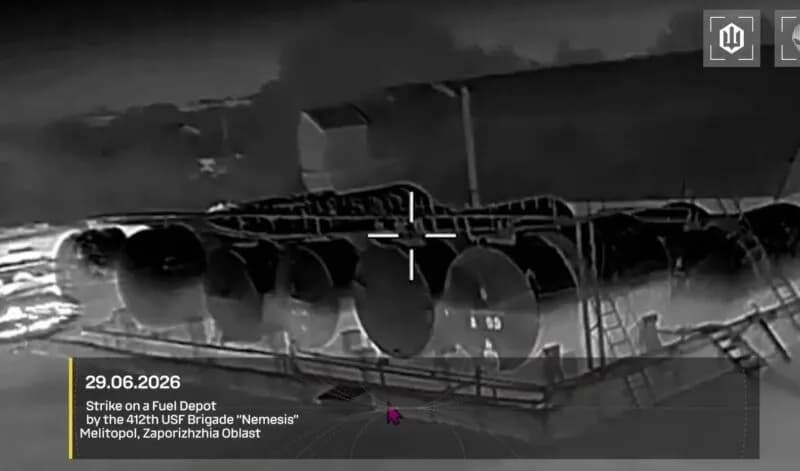
- Ukrainian drone units are simultaneously striking fuel depots and railway infrastructure to sever Russian logistics and slow front-line resupply.
- Ukraine's drone campaign is cited as a model of modern asymmetric warfare, achieving high-value target destruction at comparatively low cost.
According to the latest operational report published by Ukraine's Unmanned Systems Forces in late June 2026, Ukrainian drone units are systematically dismantling the air defence networks, fuel supply chains, and railway infrastructure that Russia relies upon to sustain its war effort in occupied territories.
Key Destruction Tallies
As of June 2026, Ukraine's drone forces have cumulatively destroyed the following critical Russian assets:
- Surface-to-air missile (SAM) systems: 169
- Radar stations: 76
- Electronic warfare (EW) systems: 31
Strategic Significance
The selection of these target categories carries considerable strategic weight. The sustained attrition of SAM systems and radar stations directly erodes Russia's ability to intercept Ukrainian drones and air strikes, opening persistent gaps in its air defence coverage. Simultaneously, the destruction of electronic warfare systems reduces Russia's capacity to jam or spoof Ukrainian drone operations, making follow-on strike missions progressively easier to execute.
Ukraine's drone units have also conducted parallel strikes against fuel storage facilities and railway infrastructure, aiming to sever Russian logistical supply lines and slow the movement of troops and equipment to the front.
The Central Role of Drone Warfare
Since the outbreak of the Russia-Ukraine conflict, drones have evolved from a supplementary tool into a decisive factor shaping battlefield dynamics. Through the large-scale deployment of various drone types, Ukraine's Unmanned Systems Forces have been able to strike high-value Russian targets at comparatively low cost — a model widely regarded as a defining example of modern asymmetric warfare.
The report indicates that drone forces have achieved significant results in systematically degrading Russia's Integrated Air Defence System (IADS), while continuing to apply sustained pressure on Russian logistics, command, and communications networks.
This article is compiled and translated from a report published by Global Defense Corp on 3 July 2026. Source data is drawn from official reports of Ukraine's Unmanned Systems Forces.
原文來源: 查看原文
FAQ
Newsletter
Subscribe to our Low-Altitude Industry Newsletter
Daily curated news on low-altitude economy and drone industry, delivered to your inbox.
Reviewed and published by the LAETimes editorial desk ·