Electric Air Taxi Charging Network Plans 250 U.S. Aviation Sites by 2030
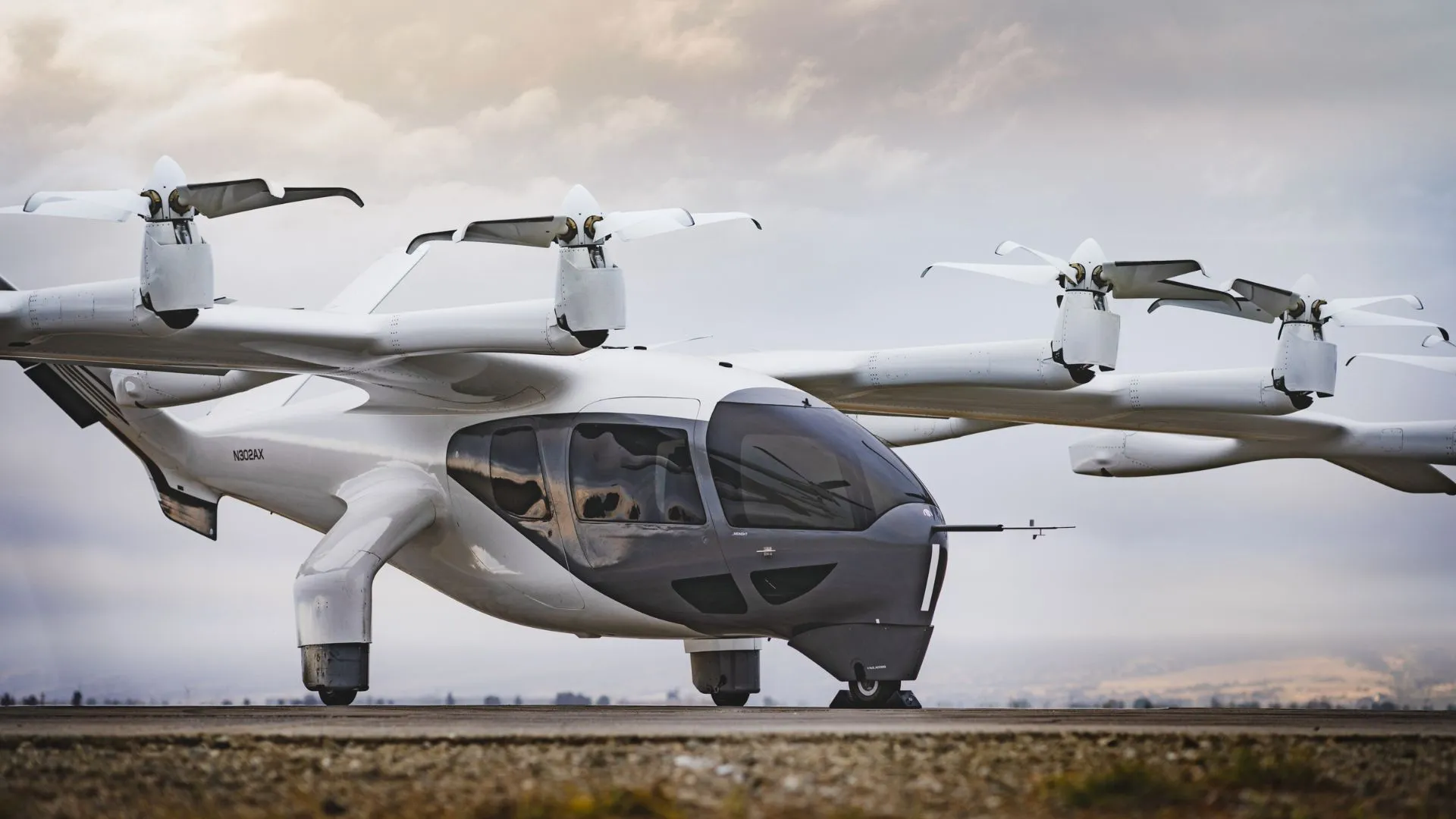
Archer Aviation, BETA Technologies, and Macquarie Capital have formed the America's Consortium for Electric Skyways (ACES), targeting up to 250 shared eVTOL charging stations at U.S. airports and vertiports by 2030. Built on the open CCS standard, the network will serve passenger, cargo, and medical transport operators across key metro markets.
Highlights
- Archer Aviation, BETA Technologies, and Macquarie Capital formed ACES to deploy up to 250 shared eVTOL charging stations across U.S. airports and vertiports by 2030.
- All ACES charging sites will use the open Combined Charging Standard (CCS), enabling aircraft from multiple manufacturers to access the same network.
- Initial rollout will prioritize California, Texas, Florida, and New York, aligning with the FAA's eVTOL Integration Pilot Program in which both Archer and BETA are participants.
- The shared network will serve passenger air taxis, cargo operators, medical transport, and CCS-compatible airport ground support vehicles.
- BETA Technologies supplies charging hardware, Archer Aviation will use the network for passenger services, and Macquarie Capital arranges infrastructure financing.
Electric air taxis are steadily moving toward commercial service, but charging infrastructure remains one of the industry's most significant gaps. A new U.S. initiative is working to close that gap by building a shared charging network of up to 250 stations for next-generation aircraft over the coming decade.
Archer Aviation, BETA Technologies, and Macquarie Capital are behind the effort, which they have named the America's Consortium for Electric Skyways (ACES). The three partners plan to install up to 250 electrified facilities at airports and vertiports across the United States, with a focus on markets expected to see commercial electric vertical take-off and landing (eVTOL) services first.
Addressing the Infrastructure Bottleneck
Initial deployments will target metropolitan areas anticipated to launch commercial air taxi services earliest, including California, Texas, Florida, and New York. Each site will use charging equipment built on the Combined Charging Standard (CCS)—an open protocol that has gained broad support across the eVTOL industry.
Adopting a common standard means aircraft from multiple manufacturers can connect to the same network, preventing infrastructure fragmentation and helping to reduce deployment costs as electric aviation expands across the United States.
The charging network is designed to be shared by different types of electric aviation operators, including cargo carriers and passenger aircraft, eliminating the need for each operator to build separate charging infrastructure. BETA Technologies will supply the charging hardware; Archer Aviation plans to use the network for its future passenger services; and Macquarie Capital will arrange financing for site acquisition and facility development. The consortium's founders expect additional industry partners to join as the network expands into new markets.
Supporting Advanced Air Mobility Development
The initiative also aligns with the Federal Aviation Administration's (FAA) eVTOL Integration Pilot Program—a program in which both Archer and BETA have been selected to participate—helping the United States prepare Advanced Air Mobility (AAM) for commercial operations.
Dan Edwards, Principal Deputy Assistant Secretary for Aviation and International Affairs at the U.S. Department of Transportation, said that commercial electric aviation depends not only on aircraft receiving airworthiness certification, but also on an interoperable network of charging stations to build the long-term operational infrastructure needed to maintain U.S. leadership in advanced aviation.
Archer founder and CEO Adam Goldstein stated that electric air taxi services cannot scale without reliable charging infrastructure. He noted that deploying interoperable charging equipment in planned operating markets allows multiple operators to share the same network and distribute infrastructure costs across the entire industry.
Applications Beyond Passenger Transport
The network's scope extends well beyond passenger travel. Archer expects to use the infrastructure during peak operations, while BETA's commercial customers will also be able to access the same charging stations for cargo flights and medical transport.
CCS-compatible airport ground support vehicles will likewise be able to use the network, further extending its utility beyond aircraft. The shared infrastructure model will help airports accommodate multiple types of electric vehicles without building separate charging systems.
BETA founder and CEO Kyle Clark said that interoperable charging equipment built on open standards provides nearly all the physical infrastructure that Advanced Air Mobility requires. Macquarie Capital Managing Director David Farkas added that the consortium combines aviation expertise, charging technology, and infrastructure financing to create a national network usable by any eVTOL manufacturer, while setting a development benchmark for future Urban Air Mobility projects.
原文來源: 查看原文
FAQ
Reviewed and published by the LAETimes editorial desk ·