Autonomous CCA Wingmen of 2030 May Look Nothing Like Today's Assumptions
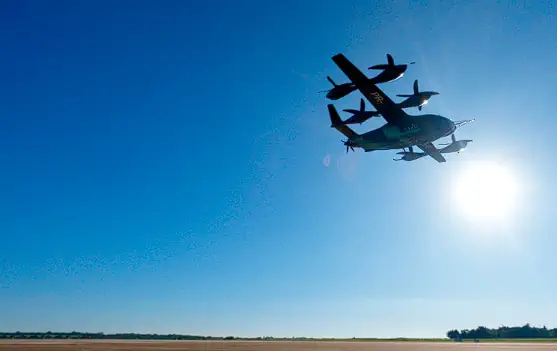
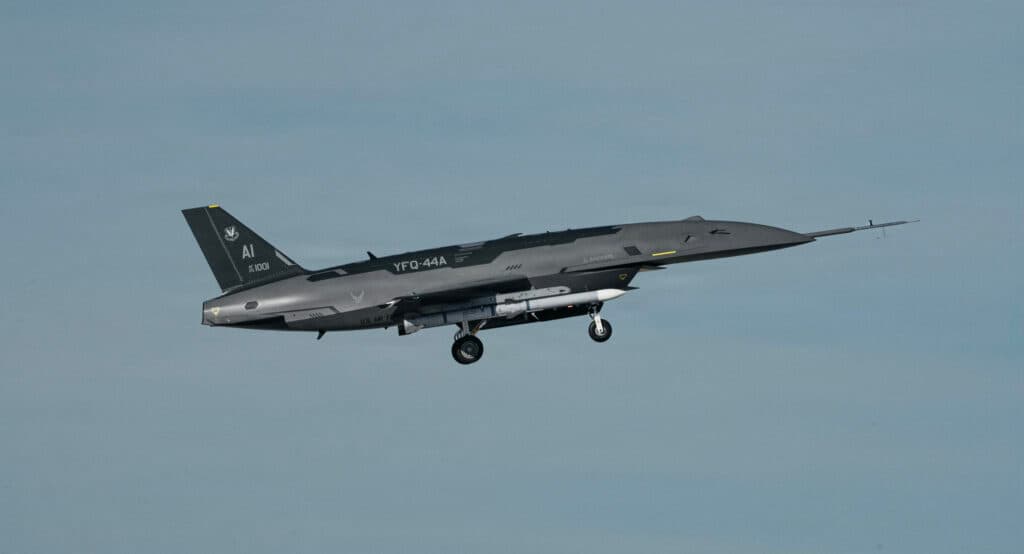
As the U.S. Air Force and Navy accelerate Collaborative Combat Aircraft (CCA) programs, fundamental assumptions about autonomous wingmen—size, mission role, autonomy level, and human-machine teaming—are under intense scrutiny. Industry players including Boeing, General Atomics, and Anduril face the risk that shifting military requirements could render current design investments obsolete before the 2030s fielding timeline.
Highlights
- The U.S. Air Force and Navy are conducting live flight tests to validate CCA autonomous wingman teaming with crewed fighters ahead of a 2030s fielding target.
- Boeing, General Atomics, and Anduril are competing for CCA contracts, but face the risk that mid-program requirement shifts could nullify existing design investments.
- The degree of autonomous lethal decision-making—how much authority a CCA can exercise without human authorization—is identified as the single greatest source of program uncertainty.
- Industry analysts warn that CCAs entering service in the 2030s will likely differ significantly from current design assumptions in size, mission role, and autonomy level.
- Command-and-control architecture for human-machine teaming in contested electromagnetic environments remains an unresolved technical and doctrinal challenge for all services.
The military services are actively testing formation teaming with Collaborative Combat Aircraft (CCA), but the defense industry is simultaneously wrestling with a set of fundamental questions that have no easy answers. As technology and operational requirements continue to evolve, the autonomous wingmen that actually reach the flight line in the 2030s may look dramatically different from anything currently envisioned.
Current Assumptions Under Pressure
As the U.S. Air Force and Navy push forward with their CCA programs, long-held industry design assumptions are undergoing a profound re-examination. Prevailing concepts—covering airframe size, mission profile, degree of autonomy, and the nature of collaboration with crewed aircraft—may all present a very different picture when these platforms are finally fielded in the 2030s.
Flight Testing Continues Across the Services
Both services are currently using live flight tests to validate the cooperative combat capabilities of CCAs flying alongside crewed fighters. Beyond the technical challenges, these tests are forcing decision-makers to confront deeper questions: How much autonomous decision-making authority should an unmanned wingman actually possess? And in a contested electromagnetic environment, how should the command-and-control chain between human pilots and autonomous aircraft be architected?
Hard Choices for Industry
For the contractors competing in the CCA space—including Boeing, General Atomics, and Anduril—the challenge extends well beyond engineering. It is, at its core, a bet on an entire operational concept. Should the military's requirements shift significantly mid-program, existing design investments could be rendered worthless.
Industry insiders point to the boundaries of "autonomy" as the single greatest source of uncertainty. The question of how much latitude the military is prepared to grant a machine to make lethal engagement decisions without explicit human authorization touches not only on technical capability, but on deep legal and ethical fault lines that remain unresolved.
Looking Ahead to 2030
Analysts argue that the CCAs that enter service in the 2030s will likely differ markedly from today's expectations in terms of appearance, capability, and mission role. Only by maintaining design flexibility and continuously incorporating lessons from ongoing testing will the defense industry be positioned to keep pace in what remains an exceptionally uncertain competition.
原文來源: 查看原文
FAQ
Reviewed and published by the LAETimes editorial desk ·