Russian Frontline Survival Time Estimated at Just 20–35 Minutes as Drone Attacks Dominate
Russian military bloggers estimate that in certain frontline sectors in Ukraine, Russian soldiers have an expected survival time of only 20 to 35 minutes due to relentless drone attacks. The figure highlights the overwhelming impact of drone warfare on modern ground combat, with Ukrainian FPV drones, payload-dropping multirotor drones, and fixed-wing reconnaissance aircraft forming around-the-clock, multi-layered surveillance and strike networks.
Highlights
- Russian military bloggers estimate soldiers in certain Ukraine frontline sectors survive just 20 to 35 minutes due to relentless drone strikes.
- Ukraine operates a multi-layered drone network combining FPV attack drones, explosive-dropping multirotors, and fixed-wing BVLOS reconnaissance platforms on a 24/7 basis.
- AI-assisted computer vision and thermal imaging have significantly reduced the effectiveness of concealment and nighttime cover for Russian troops.
- Russian soldiers have reportedly refused advance orders or retreated without authorization, indicating drones are now an effective psychological warfare tool, not only a kinetic one.
- International militaries are reassessing ground-force counter-drone investment priorities based on lessons from the Russia-Ukraine conflict, the largest real-world drone warfare test bed to date.
Russian military bloggers have estimated that in certain frontline sectors in Ukraine, Russian soldiers have an expected survival time of just 20 to 35 minutes. The stark figure points directly to the sharply rising frequency of drone strikes, which have fundamentally rewritten the rules of survival on the modern battlefield.
Drone Density Leaves Frontline Troops Nowhere to Hide
The estimate, cited by Russian military bloggers and widely circulated in pro-Russian military analysis communities, reflects the operational reality facing troops in exposed terrain. Ukrainian forces have deployed large numbers of first-person view (FPV) attack drones, explosive-dropping multirotor drones, and fixed-wing reconnaissance aircraft, creating an around-the-clock, multi-layered surveillance and strike network that leaves Russian soldiers with almost no viable window of exposure in open terrain.
Accelerating Drone Tactics Intensify Battlefield Pressure
Ukraine has continued to refine its drone tactics, including:
- Swarm coordinated attacks: Multiple drones approach a target simultaneously from different directions, compressing reaction time.
- FPV precision hunting: Operators guide drones in real time through a first-person view feed to conduct precision strikes against individual soldiers or vehicles.
- AI-assisted target recognition: Some drones have integrated computer vision technology to enhance autonomous tracking capability in jamming environments.
- 24/7 operations: Drones equipped with thermal imaging cameras have significantly reduced the effectiveness of nighttime cover.
Far-Reaching Impact on Russian Morale and Tactics
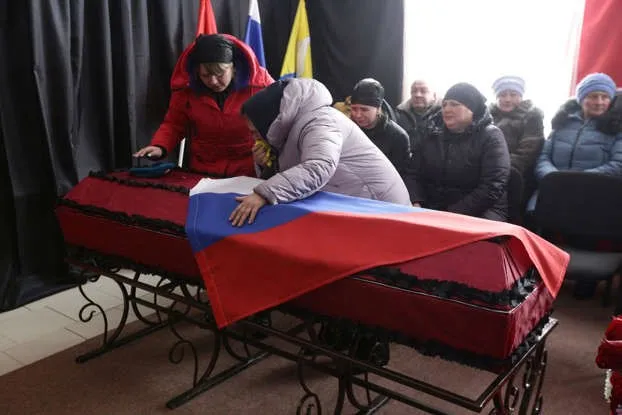
The survival time estimate not only reflects rising battlefield casualty rates but has also dealt a severe blow to Russian troop morale. Some Russian military reports indicate that soldiers have been refusing orders to advance or retreating without authorization in large numbers when ordered forward, suggesting that the drone threat has evolved beyond purely physical attrition into an effective tool of psychological warfare.
Analysts note that such a short frontline survival window means that traditional infantry assault tactics have become nearly unviable in environments with high-density drone coverage. Military establishments worldwide are closely monitoring this trend and reassessing their priorities for developing ground-force counter-drone capabilities.
Drone Warfare Rewrites Modern Military Doctrine
The Russia-Ukraine conflict has become the world's largest real-world test bed for drone warfare at scale. From low-cost FPV loitering munitions to long-range reconnaissance platforms with beyond visual line of sight (BVLOS) capability, drones have left an unmistakable mark at every level of operations. International military observers broadly agree that the lessons from this conflict will profoundly shape the direction of military drone development and investment in counter-drone systems for decades to come.
This article is a consolidated report based on publicly available military analysis. Casualty figures cited are estimates; actual battlefield conditions are complex, and readers are advised to exercise appropriate caution when drawing conclusions.
原文來源: 查看原文
FAQ
Newsletter
Subscribe to our Low-Altitude Industry Newsletter
Daily curated news on low-altitude economy and drone industry, delivered to your inbox.
Reviewed and published by the LAETimes editorial desk ·