World's Oldest Football Gets a Digital Twin: University of Glasgow Preserves 500-Year-Old Relic
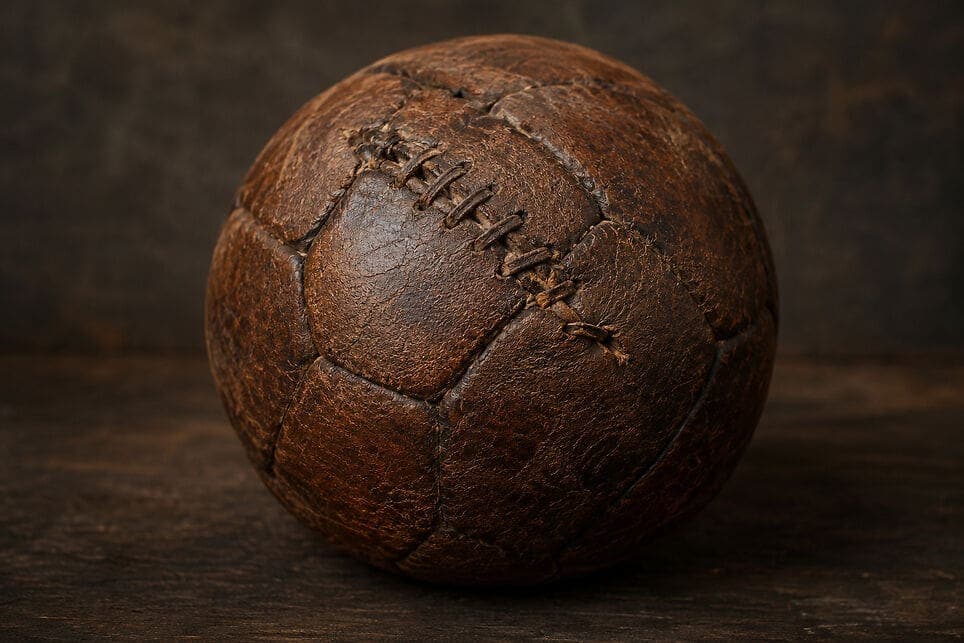
Experts at the University of Glasgow have launched a digital preservation project using advanced photogrammetry and digital art techniques to create a precise Digital Twin of the world's oldest surviving football. Dating to around 1540, the relic was discovered behind wooden panelling in the bedchamber of Mary, Queen of Scots, at Stirling Castle, Scotland. The digital model will enable researchers and the public to access the artefact virtually, ensuring its legacy endures beyond physical limitations.
Highlights
- The University of Glasgow launched a Digital Twin project to preserve the world's oldest surviving football, dating to circa 1540 — approximately 500 years old.
- The football was discovered behind wooden wall panelling in the bedchamber of Mary, Queen of Scots, at Stirling Castle, Scotland.
- Researchers used photogrammetry — reconstructing 3D geometry from overlapping high-resolution images — alongside digital art techniques to capture the ball's full surface detail and texture.
- The Digital Twin enables global access for researchers and the public even when the fragile physical artefact cannot be displayed, and serves as a long-term digital preservation record.
- The project demonstrates the growing potential of 3D scanning and digital reconstruction technologies in cultural heritage conservation.
3D technology specialists at the University of Glasgow have launched a digital preservation initiative to create a comprehensive Digital Twin of the world's oldest known surviving football, using state-of-the-art photogrammetry and digital art techniques.
About the Artefact
The football dates to approximately 1540, making it around 500 years old. It was originally discovered behind wooden wall panelling in the bedchamber of Mary, Queen of Scots, at Stirling Castle in Scotland — a find that cemented its extraordinary historical significance.
The Digital Preservation Process
The University of Glasgow research team employed photogrammetry — a technique that reconstructs precise three-dimensional geometry by analysing overlapping high-resolution images — alongside professional digital art methods to faithfully reproduce the ball's surface details, texture, and material characteristics.
By creating a Digital Twin, the team ensures that even when the physical object cannot be put on public display, researchers, historians, and general audiences worldwide can access a high-fidelity digital representation for study and appreciation. The digital model also serves as a critical long-term backup record of the artefact.
Implications for Cultural Heritage Preservation
The project highlights the expanding role of 3D scanning and digital reconstruction technologies in protecting and democratising access to cultural heritage. The University of Glasgow's initiative allows this priceless historical object to connect with a global audience in an entirely new way, extending its relevance across centuries.
The football is ordinarily kept in a carefully controlled, secure environment. The creation of its Digital Twin will give far more people the opportunity to 'interact' with this remarkable piece of history.
原文來源: 查看原文
FAQ
Reviewed and published by the LAETimes editorial desk ·


