Nine Consecutive Nights: Ukraine's 'Long-Range Sanctions' Drones Strike Moscow, Russia Claims 1,134 Intercepted in First Half of 2026
Ukraine continued its large-scale drone campaign against Moscow for a ninth consecutive night, with Russia claiming it intercepted between 60 and 86 drones in the latest wave. Russian authorities say 1,134 drones have been shot down in the first half of 2026 alone—surpassing the full-year 2025 total of 734. A strike on Moscow's Kapotnya refinery prompted oil producer Tatneft to impose fuel purchase limits, underscoring the campaign's impact on Russia's energy sector.
Highlights
- Ukraine struck Moscow with drones for a ninth consecutive night in a campaign it calls 'long-range sanctions,' with 60–86 drones intercepted in the latest wave.
- Russia claims 1,134 Ukrainian drones were shot down in the first half of 2026, surpassing the full-year 2025 total of 734 interceptions.
- A drone struck the Kapotnya refinery in southeast Moscow, which supplies ~40% of the region's gasoline and ~50% of its diesel; sources say operations were suspended.
- Tatneft, Russia's fifth-largest oil producer, imposed a fuel purchase cap of 20 liters of gasoline and 40 liters of diesel per vehicle at Moscow stations following the attack.
- President Zelensky confirmed the refinery strike was carried out from 500 km away, and Russia's Rosaviatsiya imposed flight restrictions on more than a dozen airports including Moscow's four international hubs.
Nine Consecutive Nights: Ukraine's 'Long-Range Sanctions' Drones Strike Moscow
Ukraine has continued its self-described "long-range sanctions" drone campaign against targets inside Russia, with the greater Moscow area suffering heavy overnight strikes for multiple consecutive nights.
Tuesday's drone attack marked the ninth consecutive day Ukraine has launched an offensive against Moscow—and the number of drones intercepted by Russian forces underscores the sheer scale of these operations.
Russia Claims 1,134 Drones Intercepted in the First Half of 2026
According to figures released by Russian authorities, 1,134 drones were shot down in the first six months of 2026. That figure already surpasses Russia's full-year 2025 total of 734 interceptions, signaling a dramatic escalation in both the frequency and scale of Ukrainian drone attacks.
Moscow Mayor Sergey Sobyanin said Tuesday that Russian air-defense systems had downed 60 Ukrainian drones in the latest wave of attacks. Moscow Oblast Governor Andrei Vorobyov posted on Telegram that 86 Ukrainian drones had been intercepted across the greater Moscow metropolitan area, with six people injured in the strikes.
Sobyanin wrote on Telegram: "Over the past 24 hours, enemy drone attacks on Moscow have continued. One drone damaged a facility at the Moscow oil refinery compound. There are no casualties; emergency services are on the scene."
Russian Forces Deploy Anti-Drone Units Across Moscow
In the latest wave of strikes, one drone started a fire and damaged an oil-and-gas facility at Moscow's largest refinery, located in the Kapotnya district in the city's southeast.
According to Reuters, the refinery—operated by Gazprom Neft—has been struck multiple times during the war. In 2024 it processed 11.6 million tonnes of crude oil, producing 2.9 million tonnes of gasoline and 3.2 million tonnes of diesel. The plant was previously attacked by Ukraine on May 16 and supplies roughly 40% of the Moscow region's gasoline and 50% of its diesel. Reuters cited sources as saying the refinery suspended operations following the drone strike.
The Moscow Times reported Wednesday that armed military personnel have begun deploying on elevated platforms across the city, indicating that authorities are actively reinforcing defenses against Ukrainian drone attacks.
Drone Strikes Trigger Fuel Purchase Limits in Russia
Ukraine's General Staff said the operation involved the Security Service of Ukraine (SBU), the Unmanned Systems Forces, Special Operations Forces, and the Defense Intelligence of Ukraine (HUR). Ukrainian drones struck both the Moscow refinery and targets in Russia's southern Krasnodar Krai region on the same night.
Russian state news agency TASS described the attack as one of the largest saturation strikes on Moscow this year. In the aftermath, oil producer Tatneft announced nationwide fuel purchase limits, further highlighting the tangible impact of Ukraine's drone campaign on Russia's oil-and-gas industry.
Tatneft—Russia's fifth-largest oil producer—imposed a cap of 20 liters of gasoline and 40 liters of diesel per vehicle at its Moscow stations, with cash-only payment required.
Zelensky Demonstrates Long-Range Strike Capability and Calls for Peace
Ukrainian President Volodymyr Zelensky said the strike on the refinery was carried out from a distance of 500 kilometers (approximately 311 miles), demonstrating the reach of Ukraine's long-range strike capability.
"This is a legitimate response to Russian attacks and to the repeated delays in ending a war that must be stopped," he wrote on X (formerly Twitter). The strike came one day after Russian drones attacked and set fire to the Kyiv Pechersk Lavra—a monastery founded in 1051 and a UNESCO World Heritage Site.
"Russia must be compelled to end its war against our people. Ukraine's long-range weapons are an important part of applying that pressure," Zelensky said.
Footage shared by Zelensky showed fireballs rising hundreds of feet into the air. Russian authorities claimed the fire had been extinguished without disrupting plant operations, but anonymous sources—who declined to be named for safety reasons—disputed that account.
Zelensky has requested additional Patriot air-defense missiles from the United States as Russia continues to strike Ukrainian civilians. Civilian casualties in May reached the highest monthly total recorded since Russia's full-scale invasion in 2022.
Ukraine Brings the War to Russian Soil
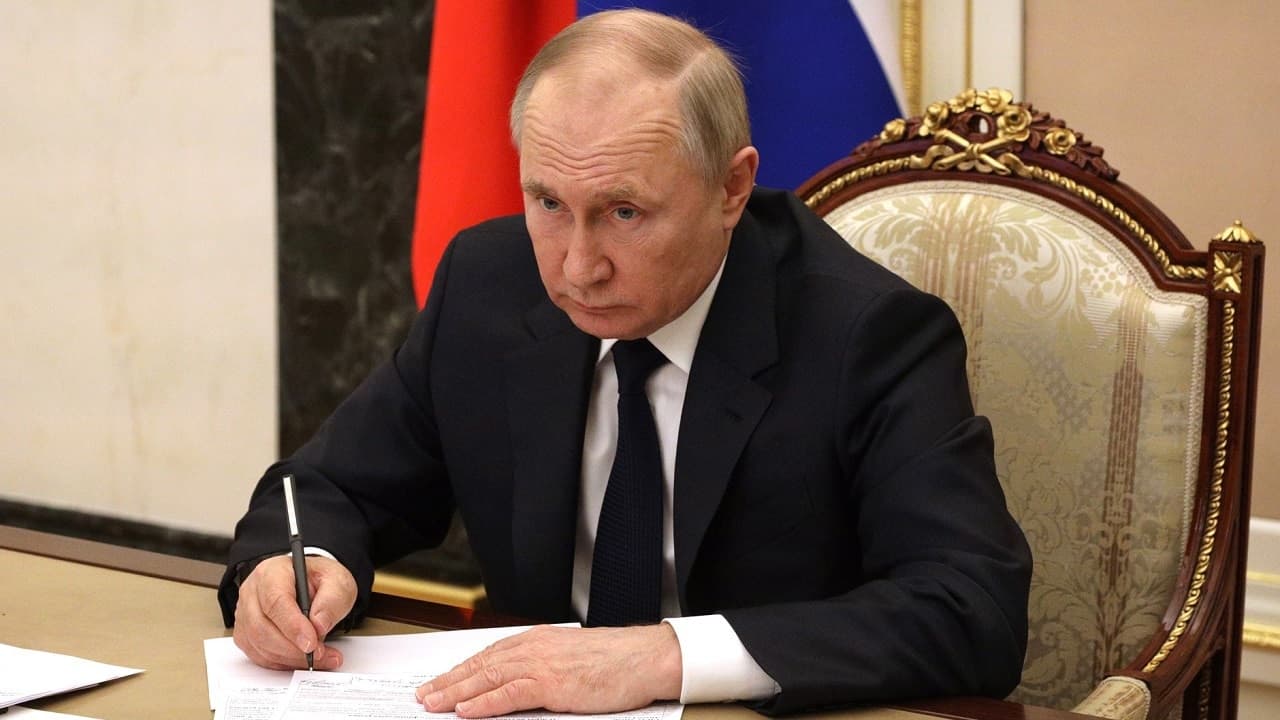
Andriy Kovalenko, head of the Center for Countering Disinformation under Ukraine's National Security and Defense Council, stated: "Even though Putin has deployed nearly all of his major air-defense and missile-defense systems to Moscow, it still cannot protect Russians. Putin cannot keep Moscow residents safe."
Following the drone attacks, Russia's Federal Air Transport Agency (Rosaviatsiya) imposed flight restrictions on more than a dozen airports across southern and western Russia, including Moscow's four international airports: Domodedovo, Vnukovo, Zhukovsky, and Sheremetyevo.
ABC News reported that the flight restrictions stretched from Sochi on the Black Sea coast to Nizhnekamsk in the Republic of Tatarstan—approximately 750 miles from Ukraine.
U.S. President Donald Trump, who has been pressing for a peace deal between the two sides, expressed frustration at the stalled negotiations on Tuesday. He said there was "a lot of hostility" between Zelensky and Russian President Vladimir Putin, and urged the Kremlin to "make a deal."
原文來源: 查看原文
FAQ
Reviewed and published by the LAETimes editorial desk ·