AARTOSTM Hawk T1: Airborne RF Geolocation System Designed for Counter-UAS and Electronic Warfare
AARTOSTM has unveiled the Hawk T1, an airborne radio frequency (RF) geolocation system purpose-built for counter-UAS (C-UAS) and electronic warfare (EW) missions. Announced on June 23, 2026, from Strickscheid, Germany, the system addresses the growing threat of low-altitude drone swarms that exploit terrain masking to evade ground-based radar and sensors. By elevating RF sensing capability to an aerial platform, Hawk T1 aims to provide a top-down, wide-area detection advantage over traditional ground-deployed systems.
Highlights
- AARTOSTM announced the Hawk T1 airborne RF geolocation system on June 23, 2026, in Strickscheid, Germany, targeting counter-UAS and electronic warfare missions.
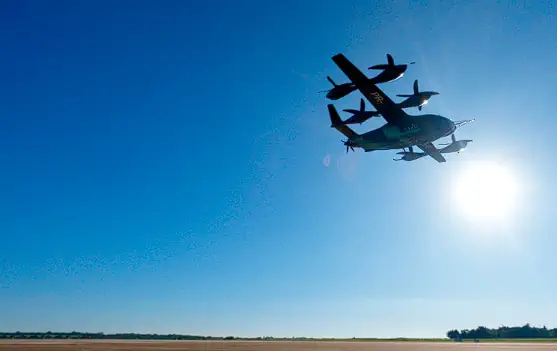
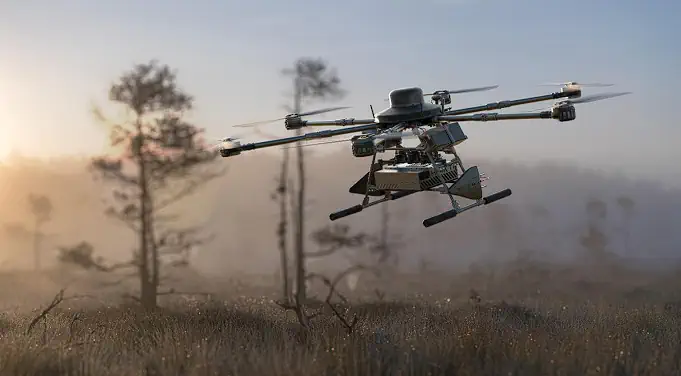
- Hawk T1 mounts on fixed-wing or rotary-wing aerial platforms to provide a top-down RF detection perspective that overcomes terrain masking by low-altitude drone swarms.
- The system detects and analyzes RF signals emitted by drones to precisely calculate target positions and can integrate into existing C-UAS operational frameworks.
- Hawk T1 also supports electronic intelligence (ELINT) collection and broader electromagnetic spectrum operations for EW missions.
- AARTOSTM has not yet disclosed full technical specifications or a commercial launch timeline for the Hawk T1.
AARTOSTM Hawk T1: Airborne RF Geolocation System Built for Counter-UAS and Electronic Warfare
Strickscheid, Germany — June 23, 2026 — Drone swarms flying at extremely low altitudes, using hills, tree lines, and buildings as cover to evade ground-based radar and sensors — this is the threat scenario driving defense organizations to accelerate the search for more effective countermeasures.
In response, AARTOSTM has introduced its latest solution: the Hawk T1, an airborne radio frequency (RF) geolocation system designed specifically for counter-UAS (C-UAS) and electronic warfare (EW) operations.
The Challenge of Low-Altitude Drone Threats
When drone swarms operate at near-ground level, leveraging natural and man-made terrain as shielding, conventionally deployed ground-based radar systems often struggle to detect and localize targets in time. This "terrain masking" tactic significantly degrades the effectiveness of surface sensors, putting defenders at a critical disadvantage.
The core advantage of the Hawk T1 lies in elevating RF sensing capability into the air, achieving a top-down perspective that cuts through terrain limitations and enables precise geolocation of potential threat targets.
System Features and Application Scenarios
Key design highlights of the Hawk T1 include:
- Airborne Deployment: Mountable on fixed-wing or rotary-wing aerial platforms, providing a high-altitude, wide-area detection vantage point.
- RF Geolocation: Detects and analyzes radio frequency signals emitted by drones to accurately calculate target positions.
- Counter-UAS Integration: Can be integrated into existing C-UAS operational frameworks to enhance threat identification and interception efficiency.
- Electronic Warfare Support: Supports broader electronic intelligence (ELINT) collection and electromagnetic spectrum operations.
Industry Significance
As commercial drone technology continues to proliferate, asymmetric drone threats have emerged as a major challenge for modern battlefields and critical infrastructure protection. The introduction of the Hawk T1 represents a significant step forward in airborne RF sensing technology, potentially offering military units and security agencies a more flexible and resilient counter-drone solution.
AARTOSTM has not yet disclosed full technical specifications or a commercialization timeline for the Hawk T1; more detailed product information is expected to follow in subsequent announcements.
This article was compiled based on original press material released on June 23, 2026, in Strickscheid, Germany.
原文來源: 查看原文
FAQ
Reviewed and published by the LAETimes editorial desk ·