U.S. Army AH-64 Apache Downed by Iranian Drone; Navy USV Performs First Combat Personnel Rescue
A U.S. Army AH-64 Apache attack helicopter was shot down over the Strait of Hormuz by an Iranian Shahed-136 drone. Both crew members survived and were rescued by a U.S. Navy Corsair unmanned surface vessel — marking the first time a USV has been used for a combat personnel recovery mission. President Trump confirmed the incident and noted a retaliatory strike had already been carried out.
Highlights
- A U.S. Army AH-64 Apache attack helicopter was shot down over the Strait of Hormuz by an Iranian Shahed-136 drone estimated to cost $20,000, versus the Apache's $35–40 million value.
- Both pilots survived after an Iranian munition struck but failed to detonate inside the helicopter, which subsequently caught fire.
- A Corsair USV operated by U.S. Navy Task Force 59 rescued the two crew members — the first-ever combat personnel recovery mission performed by an unmanned surface vessel.
- The Corsair USV is manufactured by Texas-based Saronic Technologies and features a 1,000 nautical mile range, 1,000 lb payload capacity, and 35-knot top speed.
- Iran's IRGC claimed 21 retaliatory strikes against U.S. bases in Bahrain, Kuwait, and Jordan following U.S. retaliatory action on Tuesday evening.
Apache Crew 'Very Lucky' to Survive After Iranian Drone Shootdown
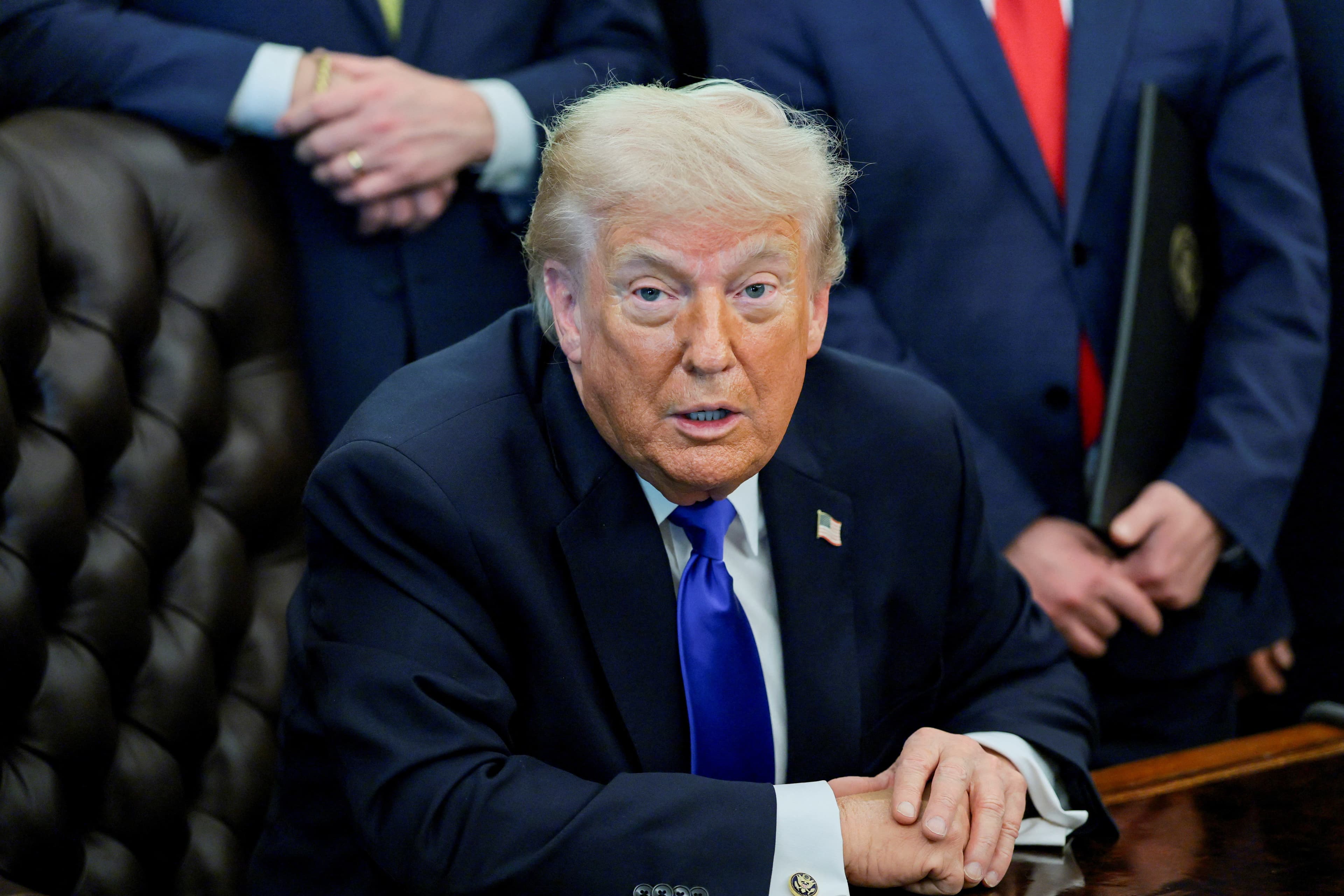
President Donald Trump said Wednesday that two U.S. Army pilots were "very lucky" to survive after their AH-64 Apache attack helicopter was shot down over the Strait of Hormuz, adding that U.S. retaliation for the incident was not yet complete.
"We hit them very hard yesterday, and we'll hit them again today," Trump told reporters in the Oval Office.
Unexploded Munition Lodged in Airframe — Crew Narrowly Escapes
Trump initially posted on Truth Social on Tuesday claiming Iran had shot down the aircraft, then walked back the statement the following day, saying the helicopter was struck by Iranian ordnance that failed to detonate on impact.
"The bomb got caught in the helicopter and didn't explode. The helicopter caught fire, but the bomb didn't go off," Trump explained. "Those two guys are great fliers, but they were very, very lucky."
He added: "You wouldn't believe how cool the rescue was."
First-Ever Combat Personnel Rescue by an Unmanned Surface Vessel
Both crew members were recovered by a remotely operated U.S. Navy unmanned surface vessel (USV). Trump and military officials confirmed this was the first time a USV had been used for a combat personnel recovery mission.
U.S. Central Command spokesman Captain Tim Hawkins told Military Times that the USV located the downed pilots in the water, transported them to a maritime rendezvous point, and they were then extracted by helicopter hoist.
"The surface drone that assisted in rescuing the Apache crew off the coast of Oman on Monday is a Corsair USV operated by Task Force 59 of U.S. Naval Forces Central Command / U.S. Fifth Fleet," Hawkins said. "The task force began deploying these vessels to the theater in late March."
Corsair USV: Built by a Texas Startup
The 24-foot Corsair USV is manufactured by Saronic Technologies, a Texas-based startup. According to the company's website, the vessel can carry up to 1,000 lbs of payload, has a range of 1,000 nautical miles, and a top speed of 35 knots.
$20,000 Drone vs. $40 Million Helicopter — The Reality of Asymmetric Warfare
The incident has drawn renewed attention to the asymmetric cost imbalance in modern conflict. U.S. officials noted that a Shahed-136 drone estimated to cost approximately $20,000 successfully downed a U.S. attack helicopter valued at between $35 million and $40 million.
Iran Vows Retaliation as Tensions Escalate
Shortly after U.S. retaliatory strikes were carried out on Tuesday evening, Iranian Foreign Minister Abbas Araghchi posted on social media: "Our powerful armed forces will not leave any attack or threat unanswered." The Islamic Revolutionary Guard Corps subsequently issued a statement through Iranian state television claiming it had conducted a total of 21 attacks against U.S. military bases in Bahrain, Kuwait, and Jordan.
Trump: Peace Deal Still Possible
Despite the escalating exchange of strikes, Trump insisted Wednesday that a diplomatic resolution remains within reach.
"We were very close to a deal, but they kept delaying and playing us for suckers," Trump said. "All they have to do is start signing documents — everything is already agreed to."
However, given the highly sensitive and confidential nature of the negotiations, it remains unclear how close or far the two sides actually are from reaching an agreement.
原文來源: 查看原文
FAQ
Reviewed and published by the LAETimes editorial desk ·


