Raptor Hunter: Airbus Unveils 'Bird of Prey' Interceptor Drone
Airbus has introduced the 'Bird of Prey,' a dedicated interceptor drone designed to counter low-cost one-way attack drones (loitering munitions) that have reshaped battlefield dynamics in Ukraine and the Middle East. The system aims to address the cost asymmetry problem where cheap attack drones force defenders to expend far more expensive interceptor missiles, offering a more economically viable counter-UAS solution.
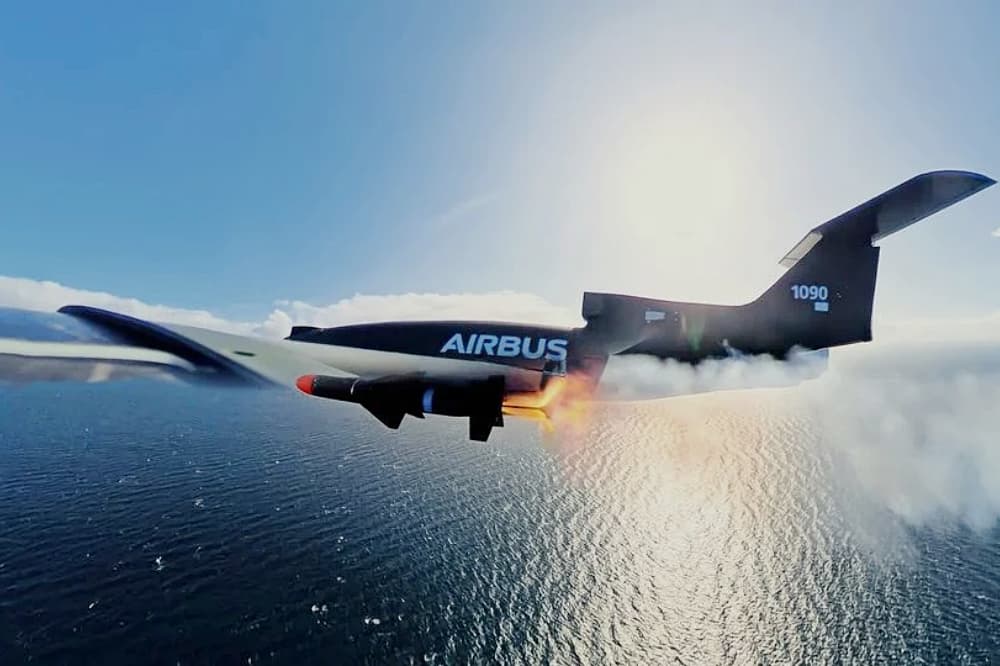
Highlights
- Airbus has launched the 'Bird of Prey,' a dedicated interceptor drone designed to counter low-cost one-way attack drones (loitering munitions) at a comparable cost.
- One-way attack drones built with off-the-shelf electronics and piston engines have become standard weapons in Ukraine and Middle East conflicts, exploiting a severe cost asymmetry in air defense.
- Intercepting a single cheap attack drone with conventional missiles can cost defenders tens to hundreds of times the price of the attacking drone, depleting air defense inventories.
- The 'Bird of Prey' system positions Airbus as a new entrant in the fast-growing Counter-UAS (C-UAS) market, addressing defense gaps revealed in ongoing conflicts.
- The operational performance of 'Bird of Prey' is expected to be a key industry benchmark as drone proliferation accelerates the global counter-drone development race.
One-way attack drones are rewriting the rules of the modern battlefield — challenging expensive air defense systems at a fraction of the cost. In response to this emerging threat, Airbus has launched the 'Bird of Prey' interceptor drone, aiming to provide militaries with a more cost-effective countermeasure.
The Low-Cost Threat and the High-Price Defense Dilemma
In conflicts across Ukraine and the Middle East, one-way attack drones — also known as kamikaze drones or loitering munitions — have become standard battlefield tools. Their key advantage lies in extremely low manufacturing barriers:
- Simple airframe design: Basic construction enables rapid, large-scale production
- Off-the-shelf electronics: Commercially available components that are easy to source and inexpensive
- Piston engine propulsion: Mature, proven technology that is easy to maintain
For defenders, however, the problem lies in an asymmetric cost structure: intercepting a single low-cost attack drone often requires an air defense missile worth tens or even hundreds of times more, steadily depleting defensive resources over time.
Airbus 'Bird of Prey': Fighting Drones with Drones
To address this challenge, Airbus has proposed a like-for-like solution — the 'Bird of Prey' interceptor drone. Designed specifically to counter one-way attack drones, the system's core concept is to engage low-cost aerial threats at a comparably low interception cost, fundamentally improving the economic asymmetry between offense and defense.
The launch of 'Bird of Prey' signals that aerospace and defense giant Airbus is actively entering the rapidly growing Counter-UAS (C-UAS) market, bringing an innovative approach to the air defense gaps exposed in current conflicts.
Rebalancing the Offense-Defense Equation
The widespread use of one-way attack drones has forced nations to reassess both the applicability and economic viability of traditional air defense systems. If successfully deployed, Airbus's 'Bird of Prey' could offer a compelling new answer to the asymmetric contest of 'high-cost defense versus low-cost offense.'
As drone technology continues to proliferate, the development race for counter-drone systems is expected to accelerate further — and the operational performance of 'Bird of Prey' will be closely watched across the defense industry.
原文來源: 查看原文
FAQ
Reviewed and published by the LAETimes editorial desk ·


