U.S. Army JIATF-401 and Anduril Deploy First Multi-Layer Counter-UAS System at Joint Base Lewis-McChord
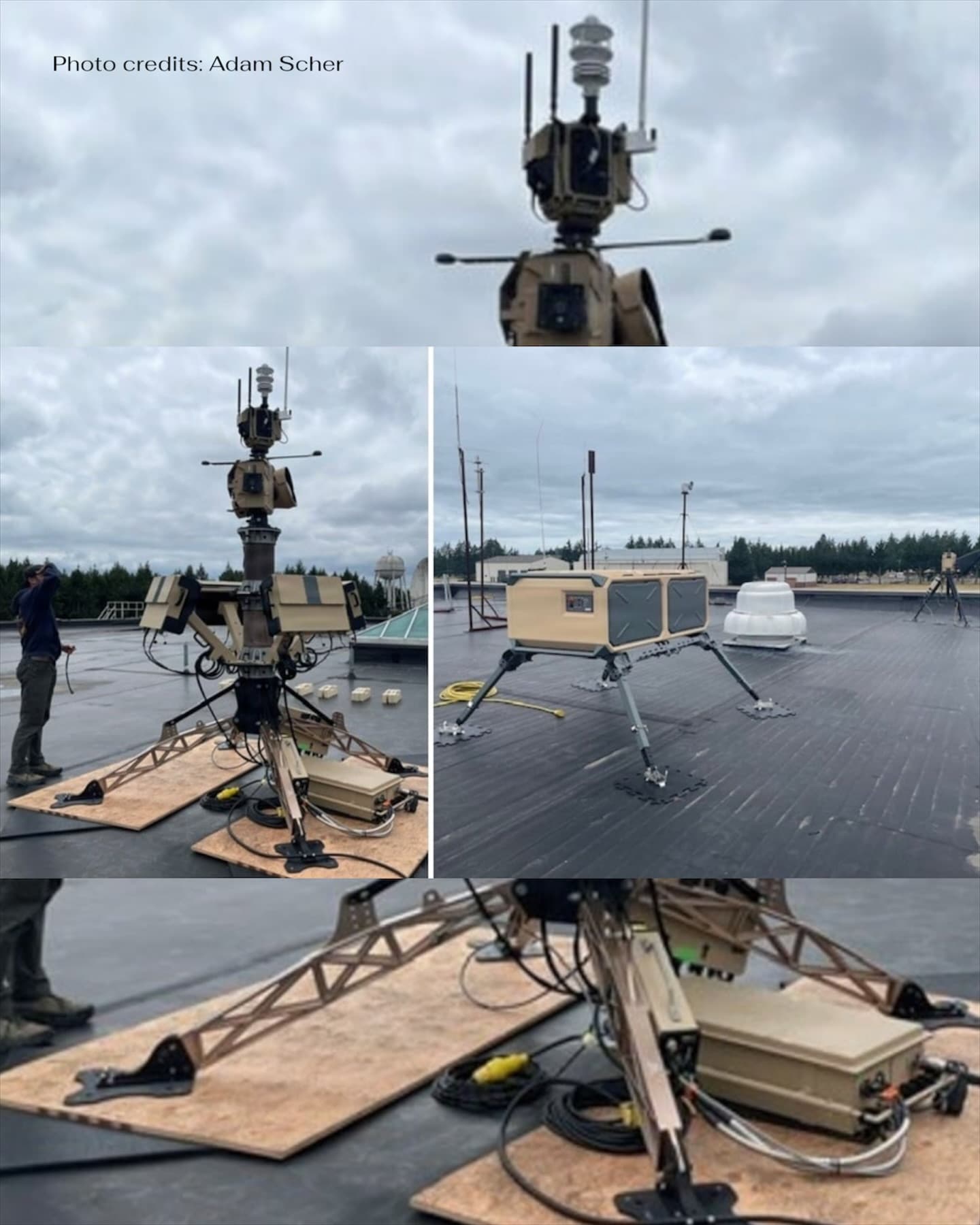
The U.S. Army's Joint Inter-Agency Task Force 401 (JIATF-401) and Anduril Industries have begun installing a multi-layer Counter-UAS system at Joint Base Lewis-McChord (JBLM) in Washington State. The deployment — the first of its kind under a broader initiative to harden U.S. military installations against drone threats — integrates three complementary systems: the Anvil kinetic interceptor, the Pulsar electronic warfare system, and the SpyGlass Ku-band phased-array radar.
Highlights
- JIATF-401 and Anduril Industries have begun installing a multi-layer Counter-UAS system at Joint Base Lewis-McChord (JBLM), Washington — the first such deployment for the U.S. military.
- The Pulsar electronic warfare system has demonstrated an effective engagement range of approximately 2 kilometers against small UAS threats and can rapidly adapt to new frequencies.
- The Anvil kinetic interceptor is designed to physically destroy Group 1 and Group 2 drone threats autonomously.
- SpyGlass is a Ku-band electronically scanned phased-array radar capable of simultaneously tracking multiple airborne targets with onboard processing superior to legacy systems.
- JIATF-401, established in 2025, plans to extend similar multi-layer C-UAS deployments to additional U.S. and overseas military installations.
U.S. Army JIATF-401 and Anduril Deploy First Multi-Layer Counter-UAS System at Joint Base Lewis-McChord
The U.S. Army's Joint Inter-Agency Task Force 401 (JIATF-401) and Anduril Industries have announced the commencement of a multi-layer Counter-UAS (C-UAS) system installation at Joint Base Lewis-McChord (JBLM) in Washington State. The deployment marks the first operational fielding under a broader U.S. military program to strengthen drone defenses at military installations.
Three Complementary Systems Working in Concert
The installation encompasses three mutually reinforcing systems:
- Anvil: An autonomous kinetic interceptor designed to physically defeat Group 1 and Group 2 UAS threats.
- Pulsar: A software-defined electronic warfare system capable of detecting and disrupting the communications and navigation signals of hostile drones. According to Anduril, the system can rapidly adapt to new frequencies and has demonstrated an effective engagement range of approximately 2 kilometers against small UAS threats.
- SpyGlass: A Ku-band phased-array radar system featuring an electronically scanned antenna architecture that can simultaneously track multiple airborne targets. Its onboard processing capability is reported to deliver superior detection performance compared to legacy radar systems.
JIATF-401 Leads Cross-Service Counter-UAS Coordination
Established in 2025, JIATF-401 is responsible for coordinating the development and deployment of Counter-UAS capabilities across the U.S. Armed Forces. The task force has indicated that similar systems are expected to be fielded at additional military installations both within the United States and overseas.
This deployment represents a significant step forward in the U.S. military's response to the growing drone threat landscape, and highlights the deepening integration between defense technology companies and the armed forces in the Counter-UAS domain.
Sources: JIATF-401 / Anduril Industries | Photos: Adam Scher, John Ingle
原文來源: 查看原文
FAQ
Reviewed and published by the LAETimes editorial desk ·