U.S. Navy Marks Historic First: Autonomous USV Rescues Army Helicopter Crew in Combat
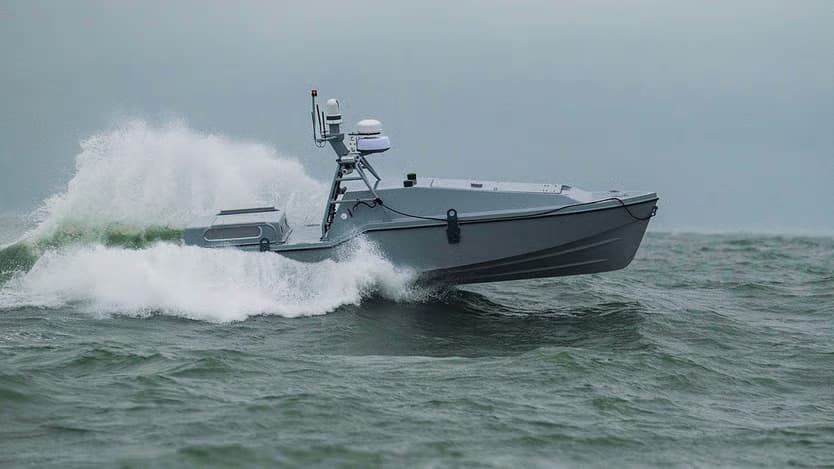
A U.S. Navy Unmanned Surface Vehicle (USV) has successfully rescued two Army helicopter crewmembers in Middle Eastern waters after their aircraft was shot down during a mission. The operation is widely recognized as the first-ever combat personnel recovery by an autonomous USV in a real-world combat environment, marking a landmark milestone for autonomous maritime systems.
Highlights
- A U.S. Navy autonomous USV rescued two Army helicopter crewmembers in Middle Eastern waters after their aircraft was shot down — the first such combat SAR operation in U.S. history.
- The mission marks the formal transition of autonomous maritime systems from testing and exercises into real-world combat operational use.
- Core technologies including autonomous navigation, target identification, and real-time decision-making performed reliably in a live combat environment.
- The operation is expected to accelerate USV investment and deployment across the U.S. Navy and allied forces, and strengthen budgets for programs such as the Ghost Fleet initiative.
- Analysts say the mission signals a fundamental shift in naval warfare, with autonomous systems set to take on expanding roles in SAR, reconnaissance, and combat support.
A U.S. Navy Unmanned Surface Vehicle (USV) has completed a historic mission in Middle Eastern waters, successfully rescuing two Army helicopter crewmembers whose aircraft was shot down during an ongoing operation. The autonomous vessel responded immediately, extracting both personnel safely from the combat zone.
First-Ever Combat Personnel Recovery by a USV
The mission is widely regarded as the first time the United States has employed an unmanned surface vessel to conduct a Search and Rescue (SAR) operation in an active combat environment — a development carrying profound military and technological significance.
Traditionally, combat SAR missions have required crewed helicopters or vessels to enter high-threat areas, placing rescue personnel at considerable risk. This operation demonstrated the practical viability of autonomous unmanned systems replacing crewed platforms in high-threat environments, significantly reducing the risk of casualties during rescue operations.
A Critical Breakthrough for Autonomous Maritime Systems
The success of this mission signals that autonomous maritime systems have formally transitioned from training exercises and testing phases into real-world operational use. The reliable performance of core technologies — including autonomous navigation, target identification, and real-time decision-making — in an active combat environment provides a solid foundation for the U.S. Navy's future development of Manned-Unmanned Teaming (MUM-T) concepts.
Analysts note that this breakthrough not only validates the operational suitability of USVs in complex sea conditions and high-threat environments, but also foreshadows a fundamental shift in future naval warfare. Autonomous systems are poised to play an increasingly central role across a range of missions, from search and rescue and reconnaissance to combat support.
Far-Reaching Implications for Future Naval Operations
This milestone rescue operation is expected to accelerate investment in and deployment plans for unmanned surface vehicles across the U.S. Navy and allied forces. As autonomous system technology continues to advance, the potential for maritime USVs to take on a broader mission set in future conflicts is growing rapidly.
The U.S. Navy has been steadily expanding programs such as the Ghost Fleet initiative in recent years. This successful real-world combat rescue will undoubtedly provide strong justification for related budget allocations and research and development programs going forward.
Source: Global Defense Corp
原文來源: 查看原文
FAQ
Reviewed and published by the LAETimes editorial desk ·