U.S. Air Force Unable to Rapidly Replace 51 MQ-9A Reapers Lost Over Iran and Yemen
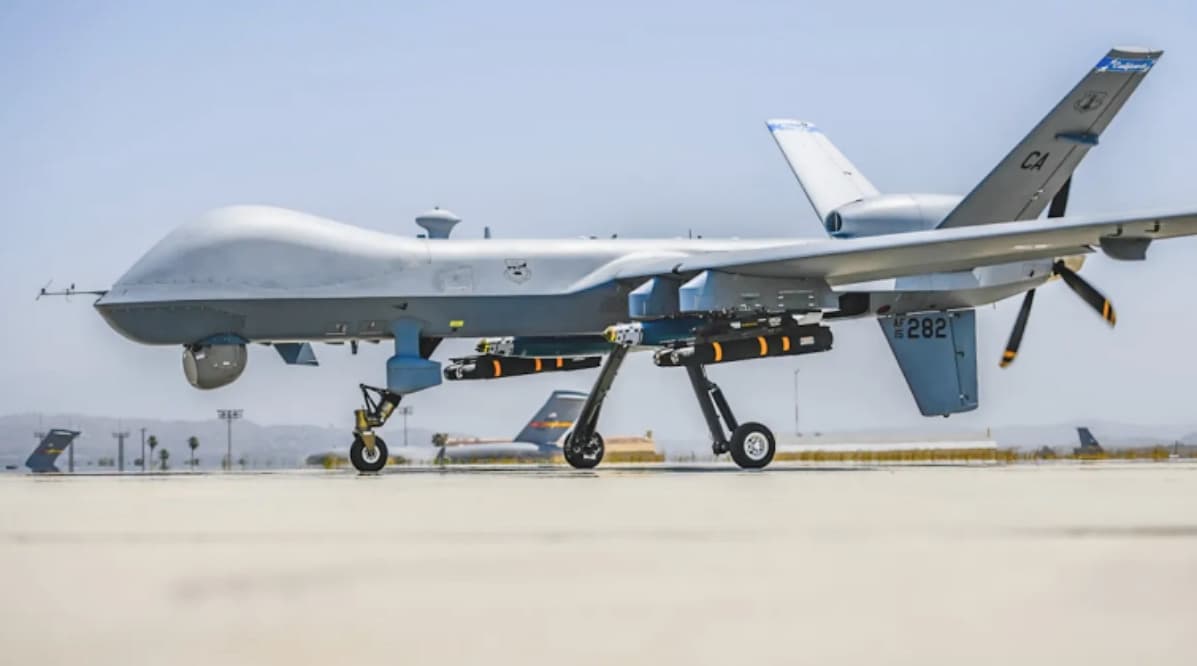
The U.S. Air Force has suffered the loss of 51 MQ-9A Reaper drones shot down during operations against Iran and Iran-backed Houthi forces in Yemen, creating a significant capability gap. Emergency efforts to source replacement airframes—including unused MQ-9A Block 5 fuselages—face serious obstacles due to limited production capacity and supply chain constraints.
Highlights
- 51 MQ-9A Reaper drones were shot down by Iranian and Houthi forces during U.S. Air Force operations, creating a critical operational capability gap.
- The U.S. Air Force has initiated emergency procurement efforts targeting unused MQ-9A Block 5 airframes to partially offset the losses.
- Limited production line capacity and supply chain constraints are preventing rapid large-scale replacement of the lost Reaper fleet in the near term.
- The losses have exposed the MQ-9A Reaper's vulnerability to modern air defense systems and prompted a strategic reassessment of U.S. drone doctrine.
- Analysts say the U.S. may need to accelerate next-generation survivable unmanned systems development to operate effectively in Anti-Access/Area Denial (A2/AD) environments.
U.S. Air Force Faces Severe Reaper Drone Losses: 51 Aircraft Shot Down, Replacement Proving Difficult
The U.S. Air Force has sustained unexpectedly heavy losses during military operations against Iran and Iran-backed Houthi forces (Ansurullah Coalition Forces) in Yemen, with 51 MQ-9A Reaper drones shot down. The scale of these losses has created a serious operational capability gap that the service is struggling to address quickly.
Emergency Replacement Efforts Underway
In response to the unprecedented attrition, the Air Force has launched emergency procedures to source replacement airframes. These efforts include attempts to procure currently unused MQ-9A Block 5 fuselages in order to restore operational capacity as swiftly as possible. However, limited production line throughput and tightening supply chains are making rapid, large-scale replacement extremely difficult in the near term.
The Strategic Role of the MQ-9A Reaper
The MQ-9A Reaper has long served as a cornerstone platform for U.S. Air Force persistent intelligence, surveillance, and reconnaissance (ISR) and strike missions. Its combination of extended endurance, substantial weapons payload, and multi-sensor integration has made it indispensable for counterterrorism operations and battlefield intelligence collection. The significant losses sustained in active high-intensity conflict have sharply highlighted the platform's vulnerability to modern air defense systems and have triggered a broader reassessment of U.S. drone strategy.
Capability Gap Raises Strategic Concerns
The magnitude of these losses has forced the Air Force to confront fundamental questions about the resilience and replaceability of its drone fleet. Analysts note that the service may need to accelerate development of next-generation survivable unmanned systems better suited to contested Anti-Access/Area Denial (A2/AD) environments.
The U.S. Air Force has not yet publicly disclosed a detailed timeline or procurement plan for replacement aircraft. Further developments in this situation will warrant close monitoring.
原文來源: 查看原文
FAQ
Reviewed and published by the LAETimes editorial desk ·


