US Smart Tool Detects Dangerous Electrical Arcs in Real Time to Prevent Wildfires
Researchers at Oak Ridge National Laboratory (ORNL) have developed an AI-powered grid monitoring platform capable of identifying seven types of electrical faults—including hard-to-detect arc faults—in real time. Validated against five years of Southern California Edison field data, the system boosted waveform signal visibility from 6% to 72%, enabling faster utility response to grid anomalies that could trigger wildfires or outages.
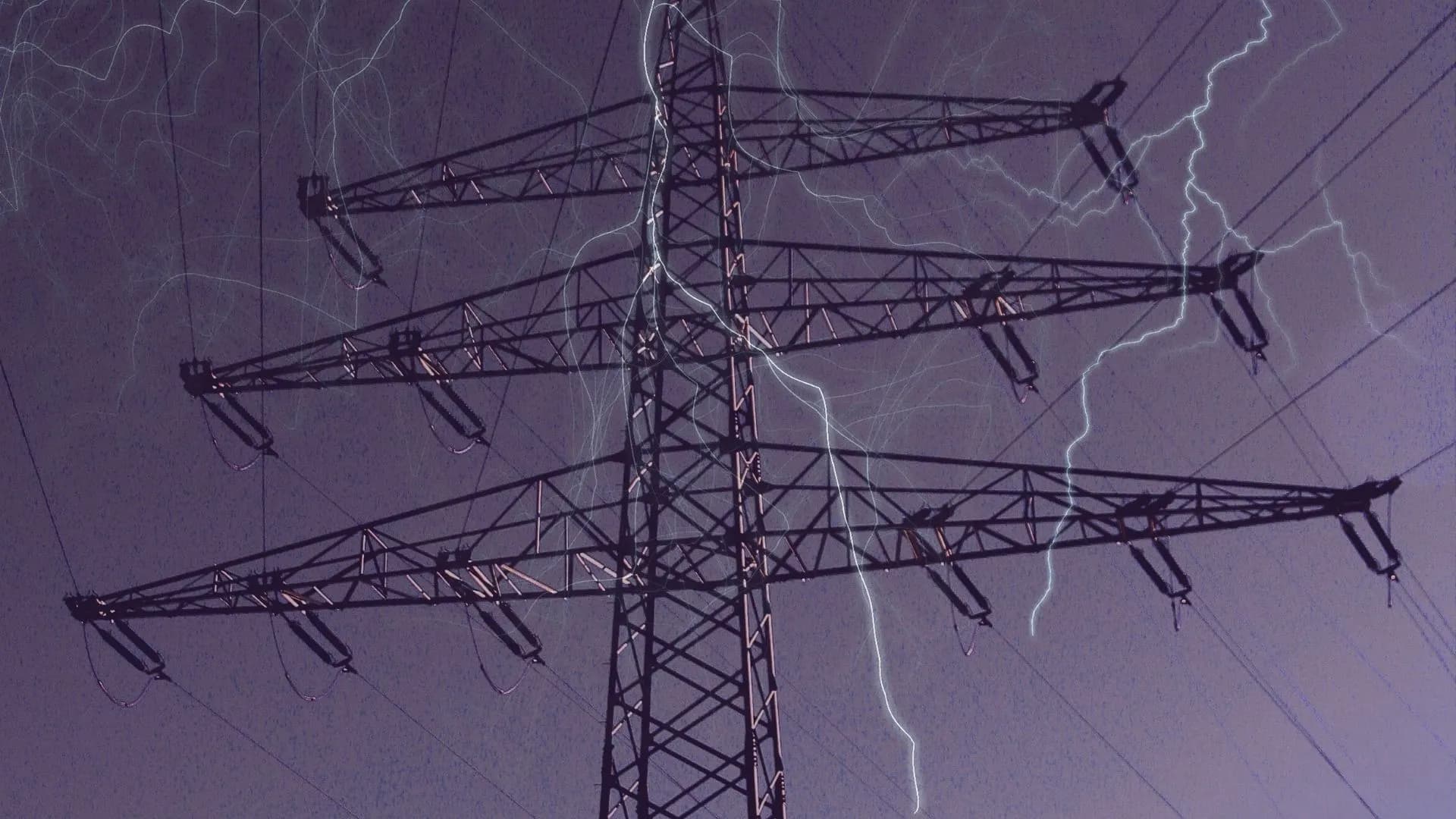
Highlights
- ORNL's AI-powered grid monitoring platform detects seven types of electrical faults in real time, automatically alerting utilities when dangerous conditions are identified.
- The system raised waveform signal visibility from 6% to 72% during validation tests using five years of Southern California Edison field data.
- Arc faults—a leading cause of wildfires—are particularly targeted, as they produce only minor current increases that conventional sensors cannot reliably detect.
- The platform is trained on ORNL's Grid Event Signature Library, which contains over 5,700 waveform signature records captured from real grid events.
- The next project phase will train an upgraded tool on SCE-proprietary data and evaluate it on a demonstration circuit, with the goal of integrating the algorithms into utility analytics platforms.
US researchers have developed a new intelligent monitoring tool capable of identifying grid anomalies in real time—anomalies that can lead to wildfires, equipment damage, and large-scale power outages.
The platform was created by a research team at Oak Ridge National Laboratory (ORNL), a US Department of Energy (DOE) facility located in Tennessee. It integrates artificial intelligence to rapidly analyze power grid data.
According to the researchers, the technology applies advanced signal processing and machine learning to detect subtle grid irregularities that conventional monitoring systems frequently miss. When the grid exhibits dangerous behavior requiring immediate action, the system automatically alerts the utility operator.
The technology is currently being validated using five years of real-world field data collected by Southern California Edison (SCE), one of the largest electric utilities in the United States. ORNL project lead Dr. Ali Ekti stated: "The faster we know what is happening in the field, the faster we can respond."
Detecting Grid Threats
The tool can identify seven types of electrical faults that cause abnormal current or voltage in the grid. Chief among these are arc faults—which occur when electrical current jumps across an air gap between a power line and another object, such as the ground.
Because arc faults typically produce only a minor increase in current, conventional sensors often fail to detect them and cannot trigger circuit breaker action. This means a dangerous arc can persist for an extended period, significantly increasing the risk of igniting a wildfire.
ORNL's new analytics system continuously monitors grid signals and automatically alerts utilities the moment an anomaly is identified. Ekti elaborated: "This tool is designed to give utilities a complete pathway from signal detection and data analysis through to decision-making and action."
The researchers noted that the tool relies on advanced analysis of waveform data to capture changes in voltage, current, and frequency across the grid. Because arc faults are often too subtle to identify in raw waveform records, the team developed AI-assisted algorithms that amplify weak signals and highlight anomalies that would otherwise go unnoticed.
Validation Results
During testing with real utility data, the research team used ORNL's algorithms to boost waveform signal visibility from just 6% to 72%—enabling the system to detect electrical faults that would previously have gone unidentified.
The platform was trained on data from ORNL's Grid Event Signature Library, an online database containing more than 5,700 waveform signature records captured from grid events.
Beyond arc faults, the system can also identify and classify six additional categories of grid anomalies: overcurrent faults, recloser operations, fuse blowings, momentary faults, capacitor switching events, motor starts, and line switching operations.
SCE Senior Engineer Michael Balestrieri summarized the significance in a press release: "Having a better understanding of what these signals mean will allow us to treat things like arcing with a high sense of urgency—knowing when we need to get crews out to a location as quickly as possible."
The next phase of the project will involve training an upgraded version of the tool using utility-proprietary data and evaluating its performance on a SCE demonstration circuit. The ultimate goal is to integrate the detection algorithms directly into utility analytics platforms.
原文來源: 查看原文
FAQ
Newsletter
Subscribe to our Low-Altitude Industry Newsletter
Daily curated news on low-altitude economy and drone industry, delivered to your inbox.
Reviewed and published by the LAETimes editorial desk ·