Drone Pilot Uses Propeller Noise to Warn Surfer of Circling Shark
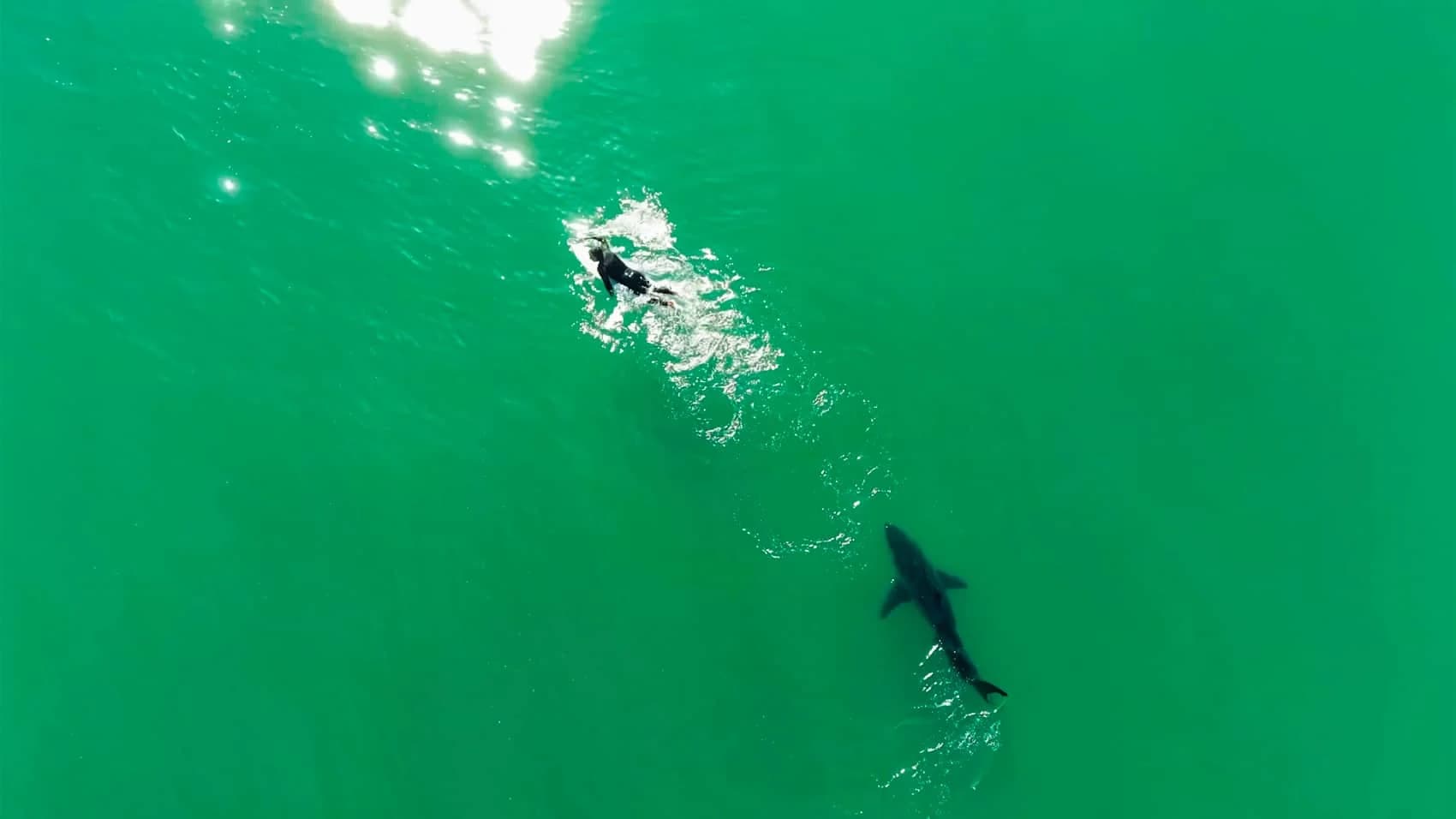
On June 10, Northern California drone pilot Nick Bertocchini was flying over Seascape Beach in Aptos when he spotted a shark circling a surfer named Rex. Rather than filming the encounter, Bertocchini dove his drone low and throttled up the motors, using propeller noise to alert Rex and prompt him to paddle safely ashore. The incident has renewed discussion about the potential role of consumer drones in coastal shark monitoring.
Highlights
- On June 10, drone pilot Nick Bertocchini spotted a shark circling surfer Rex at Seascape Beach, Aptos, California, and chose to intervene rather than film.
- Bertocchini dove his drone to near sea-surface level and throttled up to full power, using propeller noise to alert Rex, who paddled safely ashore before any contact with the shark.
- Flying a drone close to the ocean surface poses serious hardware risks — saltwater exposure, wave impact, and unstable airflow — making Bertocchini's decision a deliberate trade-off of equipment safety for a stranger's wellbeing.
- Australia's Surf Life Saving organization has integrated drone shark patrols into standard operations for several years; California beaches have also piloted seasonal aerial monitoring programs.
- Current FAA regulations do not provide a legal exemption for private pilots who fly low over crowds in a rescue attempt, leaving liability questions unresolved for civilian drone interventions.
Pilot Turns Drone Into an Alarm
On June 10, Northern California drone pilot Nick Bertocchini was flying over Seascape Beach in Aptos when he noticed a shark quietly swimming up behind a surfer named Rex and beginning to circle. Rather than staying at altitude and passively recording the scene, Bertocchini immediately pushed his drone lower and went to full throttle, using the roar of the propellers to catch Rex's attention. Rex paddled back to shore before any contact occurred.
Photo credit: Nick Bertocchini
"This encounter stood out because the shark's behavior looked more investigative than what I usually see," Bertocchini said. "I'm glad both the shark and the surfer went their separate ways without any further interaction."
Most viral shark videos are passive recordings — the pilot films from a safe altitude, uploads the footage, and the surfer in question often only finds out after the fact. Bertocchini did the opposite: he used propeller noise and a low flight pass to turn a consumer-grade filming drone into an on-the-spot communication tool.
The decision was not without risk. Pushing a drone down close to the ocean surface is genuinely dangerous — saltwater can destroy electronics, a single wave can swallow the aircraft whole, and propeller airflow near the surface is highly unstable. Most pilots would choose to maintain a safe altitude and protect their hardware. Bertocchini spent that safety margin on a stranger.
Drones Have Become a Front-Line Coastal Shark Monitoring Tool
From several hundred feet up, a drone camera can cut through surface glare in a way that is simply impossible from the ground. A shark registers as a dark silhouette gliding over a pale sandy bottom — clearly readable in aerial footage, yet completely invisible to someone sitting on a surfboard. That optical advantage is precisely why drones keep appearing on the equipment lists of beach patrol programs around the world.
Photo credit: Nick Bertocchini
Australia's Surf Life Saving organization has incorporated drone shark patrols into routine operations for several years, and a number of California beaches have piloted aerial monitoring programs during peak season. The concept is straightforward: one pilot covering a stretch of water can give swimmers several minutes' more warning than a shoreside lookout tower ever could.
What makes the Aptos incident notable is that no agency assigned Bertocchini to the task. He was simply a pilot who happened to be flying in the area and chose to act. That gap — between an official program and a private citizen with a remote controller — is one that regulators have yet to address.
Shark Sightings Near Aptos Continue to Rise
Rex said he has surfed this stretch of coast since childhood and has personally witnessed a marked increase in shark sightings near Seascape Beach in recent years, an observation echoed by many surfers throughout Monterey Bay.
Photo credit: Nick Bertocchini
The California Department of Fish and Wildlife notes that shark sightings are common along the state's coastline, while actual bite incidents remain extremely rare — both things can be true simultaneously. More eyes in the sky mean more documented shark encounters on record, but that does not equal an increase in danger in the water.
That distinction matters for how this type of footage should be interpreted. Drones make the ocean "readable," and even footage of a shark calmly circling — where both parties ultimately go their separate ways — can look alarming on screen.
DroneXL Perspective
To put it plainly: this was a person with a drone who decided that preventing a shark attack mattered more than filming one. That instinctive call is worth more than any footage he could have captured.
The "shark drone" genre has steadily evolved into content designed primarily for clicks: spot the fin, get the shot, harvest the views. Bertocchini could have stayed quiet and let the drama play out in front of his lens. Instead, he chose to spook the shark and warn the surfer — sacrificing what would have been far more explosive video in the process.
This is the side of consumer drones that tends to get overlooked: the same aircraft that can fuel panic-inducing viral content could also be the cheapest search-and-rescue asset ever deployed along a coastline. Which one it becomes depends entirely on the person holding the controller.
Legal liability, however, remains an open question. If a private pilot misjudges the situation and a drone strikes someone, or if a low pass triggers panic in the water and causes greater harm, current regulations offer no framework for that scenario. Flying at low altitude over a crowded beach already pushes against FAA rules on flight over people, and "I was trying to help" does not constitute a legal exemption under existing rules.
The question worth watching: as videos like this continue to circulate, will California beach management authorities move toward formalizing civilian shark monitoring — or move to prohibit it?
原文來源: 查看原文
FAQ
Reviewed and published by the LAETimes editorial desk ·