Artificial Photosynthesis System Produces 'Solar Fuel' Even in Low-Light Conditions
Researchers at Osaka Metropolitan University have developed an artificial photosynthesis system capable of converting carbon dioxide and water into formic acid — a promising solar fuel — even under low-light conditions. The breakthrough mimics the energy-capture efficiency of natural leaves and could reduce reliance on backup systems in renewable energy applications.
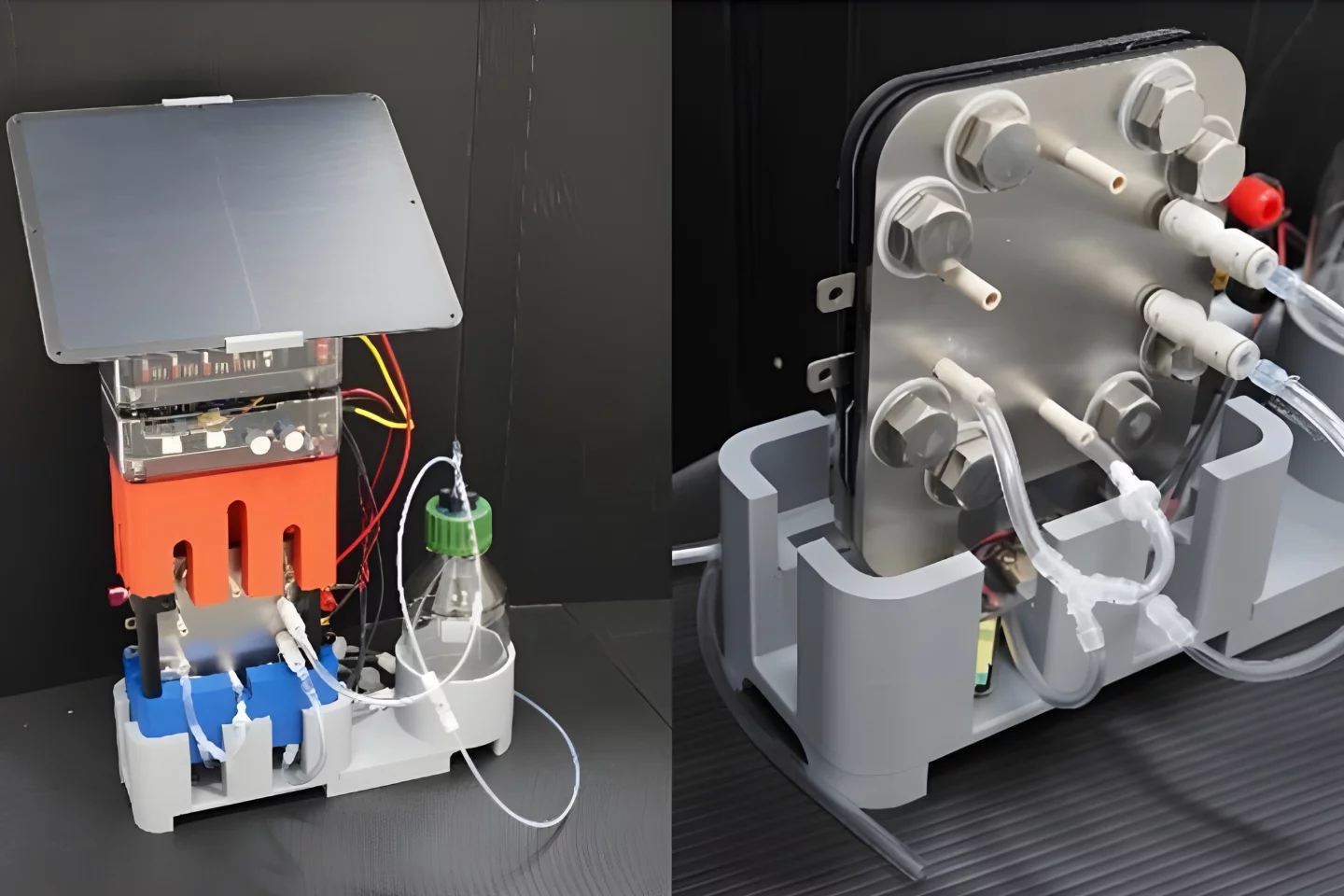
Highlights
- Osaka Metropolitan University researchers developed an artificial photosynthesis system that converts CO₂ and water into formic acid using solar energy.
- The system maintains stable energy conversion efficiency under low-light conditions, mimicking the behavior of natural leaves.
- Formic acid, the output of this process, acts as an energy carrier capable of storing and releasing solar energy on demand.
- The technology could significantly reduce reliance on backup systems in solar energy infrastructure.
- Potential applications include carbon capture and renewable energy storage, with findings published in Energy and Engineering academic journals.
Conventional solar energy systems are constrained by fluctuations in sunlight intensity, typically requiring backup systems to maintain stable output. In nature, however, leaves are capable of efficiently capturing solar energy even under low-light conditions — a capability that researchers are now working to replicate.
A team at Osaka Metropolitan University in Japan has developed an innovative artificial photosynthesis system that uses solar energy to convert carbon dioxide and water into formic acid, a chemical compound considered a viable "solar fuel." The system is designed to mirror the remarkable low-light performance seen in natural photosynthesis.
Technical Significance
Formic acid functions as an energy carrier, capable of storing solar energy and releasing it on demand. This makes it a subject of growing interest in the renewable energy sector as researchers search for practical alternatives to conventional battery-based storage.
Compared with traditional solar power generation systems, the key advantage of this artificial photosynthesis approach lies in its ability to maintain stable energy conversion efficiency even when light levels are insufficient. This characteristic could significantly reduce dependence on supplementary backup systems, improving the overall reliability of solar energy infrastructure.
Outlook
The research represents a meaningful step toward high-efficiency artificial photosynthesis technology. Potential future applications include carbon capture and renewable energy storage, offering a new pathway to address global climate change and energy security challenges.
The findings have been published in an academic journal, with the research spanning the fields of Energy and Engineering.
Source: Osaka Metropolitan University Research Team
原文來源: 查看原文
FAQ
Newsletter
Subscribe to our Low-Altitude Industry Newsletter
Daily curated news on low-altitude economy and drone industry, delivered to your inbox.
Reviewed and published by the LAETimes editorial desk ·