World Cup Counter-Drone Operations: A New Federal Blueprint for Layered Airspace Defense
The Kansas City Police Department received $14 million in federal funding to deploy DroneShield detection sensors and jamming guns during the 2026 FIFA World Cup, operating alongside an FBI counter-UAS team. By Thursday, 22 drones had been detected in the restricted airspace, 16 were confiscated, at least 5 people received federal criminal summonses, and 1 person was arrested. The operation is being viewed as a federal template for airspace security at major public events.
Highlights
- The Kansas City Police Department received $14 million in federal funding to deploy DroneShield sensors and jamming systems during the 2026 FIFA World Cup.
- The joint KCPD-FBI counter-UAS operation detected 22 drones in restricted airspace, resulting in 16 confiscations and at least 5 federal criminal summonses.
- The detect-track-defeat doctrine applied in Kansas City draws on real-world counter-drone experience from Ukraine and the Middle East.
- Researcher Reshmi Mitra highlights a key asymmetry: drone attacks are low-cost to execute, while counter-drone defense requires significant investment.
- Boston and San Francisco have adopted similar federal counter-drone frameworks, signaling a national standard for airspace security at major public events.
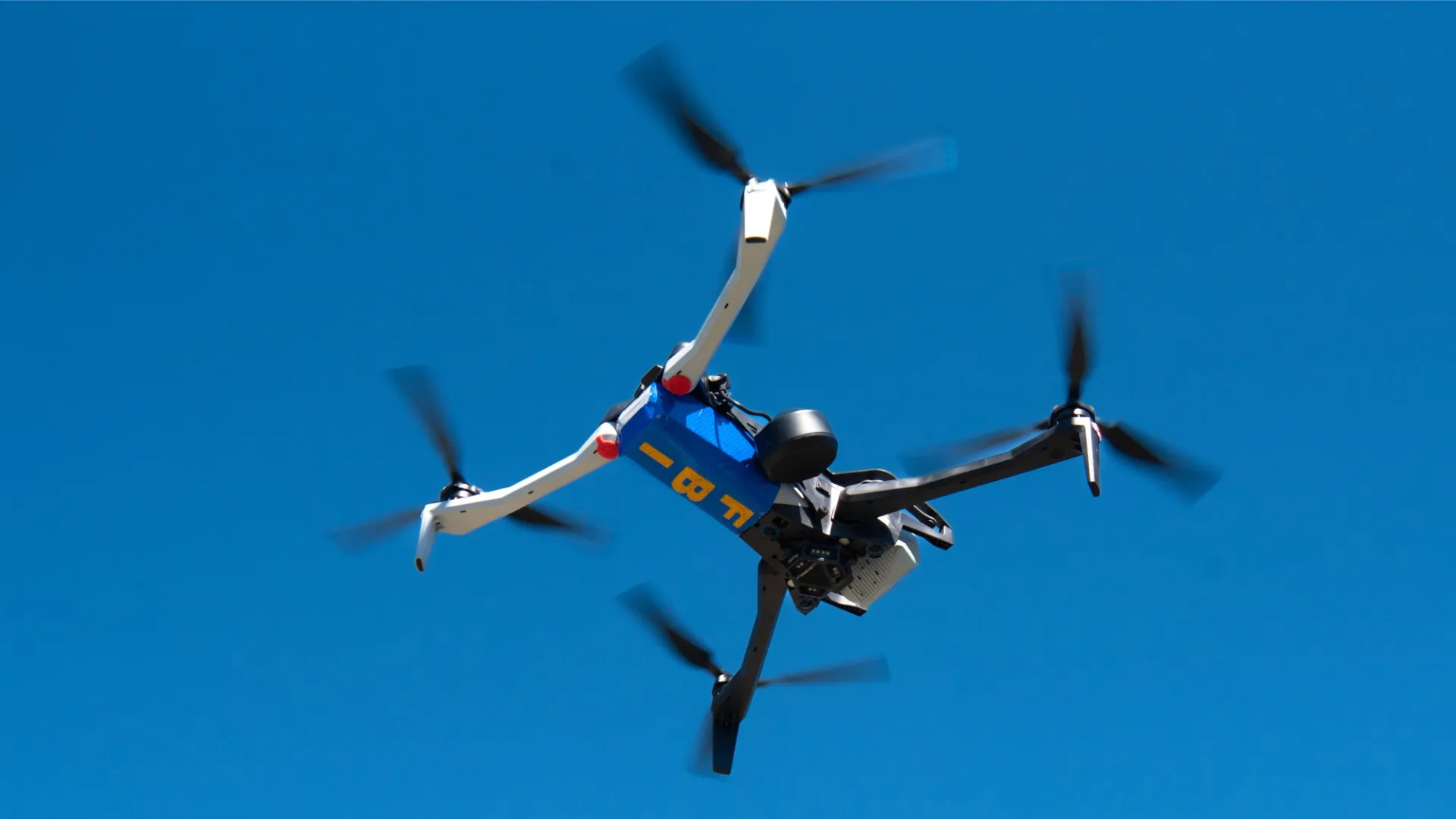
The counter-UAS deployment in Kansas City during the FIFA World Cup has emerged as a landmark case study in civil-military airspace integration. According to Axios reporter Travis Meir, the Kansas City Police Department (KCPD) received $14 million in federal funding to deploy DroneShield detection sensors and signal-jamming "drone shotguns," operating in coordination with an FBI counter-UAS team — forming a dual-layer local-federal joint defense architecture.
This "detect-track-defeat" operational doctrine, while applied to a domestic mass-gathering event, draws heavily from real-world counter-drone experience gained in Ukraine and the Middle East.
The FBI reported that from the opening of the tournament through Thursday, 22 drones had been detected within Kansas City's restricted airspace. The outcomes: 16 drones confiscated, at least 5 individuals issued federal criminal summonses, and 1 person arrested on an outstanding warrant.
Responding to an Evolving Threat Landscape
Consumer drones have increasingly become a dual-use risk. The traditional security model of "fencing, guards, and armed personnel" is being supplanted by electromagnetic spectrum defense. Researcher Reshmi Mitra has warned that the technical barrier to launching a drone-based attack is extremely low — a dynamic that underscores the inherent asymmetry of counter-drone work: offense is cheap, defense is costly.
An Emerging Federal Standard
Similar defensive frameworks have already appeared in Boston and San Francisco (the latter leveraging U.S. Coast Guard assets), suggesting this approach is solidifying as the de facto U.S. federal template for managing airspace security threats at major events. Counter-UAS planners at both the local and national level must navigate a careful balance: threat-intelligence-driven, proportionate defense enhancement on one hand, and avoiding the over-militarization of domestic law enforcement on the other.
Original reporting sourced from Axios, "How Law Enforcement Is Stopping Drones at the World Cup." Analytical commentary adapted from Arizona State University's Small Wars Journal.
原文來源: 查看原文
FAQ
Reviewed and published by the LAETimes editorial desk ·