Century-Old Maxim Gun Makes a Comeback as Anti-Drone Weapon in Russia-Ukraine War
Both Russian and Ukrainian forces have returned to the PM M1910 Maxim machine gun — a Soviet-era adaptation of a 19th-century design — to counter reconnaissance drones and kamikaze UAVs on the modern battlefield. The weapon's reliability, sustained fire capability, and abundant stockpiles make it a surprisingly effective low-tech answer to high-tech drone threats. Ukraine's National Guard has even formed mobile twin-Maxim units dedicated to aerial defense.
Highlights
- Both Russian and Ukrainian forces have redeployed the Soviet-era PM M1910 Maxim machine gun for counter-drone operations on the Russia-Ukraine battlefield.
- The Maxim's water-cooled design enables sustained continuous fire, making it effective against reconnaissance drones and kamikaze UAVs without the risk of barrel overheating.
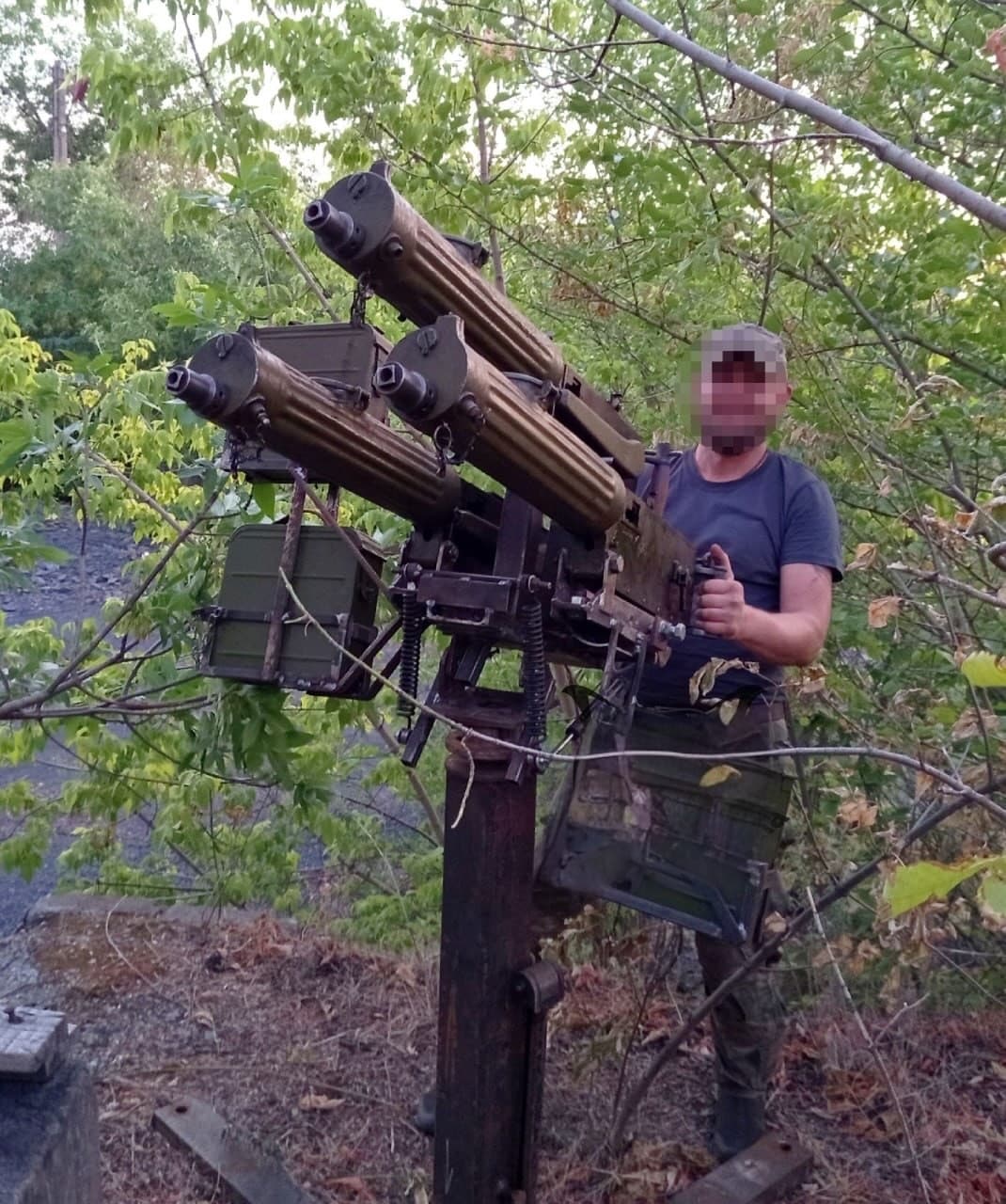
- Ukraine's National Guard has formed dedicated mobile units armed with twin-mounted Maxim systems to increase aerial fire density and coverage.
- Abundant legacy stockpiles in both countries make the Maxim an extremely low-cost counter-drone option compared to modern electronic warfare or missile-based systems.
- The Russia-Ukraine conflict is demonstrating that drone proliferation can revive demand for vintage weapons, as low-tech solutions prove viable against high-tech aerial threats.
Century-Old Maxim Gun Finds New Life as an Anti-Drone Weapon in the Russia-Ukraine War
On the high-tech battlefields of the Russia-Ukraine war, an unexpected weapon pairing has been drawing widespread attention: both sides have returned to the PM M1910 Maxim heavy machine gun — a design rooted in the 19th century — and pressed it into service for counter-drone operations.
A Soviet-Era Upgrade of a Victorian Classic
The PM M1910 is a Soviet-era adaptation of the original Maxim gun design created by American inventor Hiram Maxim. Russian forces have continued to deploy the weapon at static defensive positions and improvised counter-drone emplacements.
Both Sides Are Using It
Notably, both Russia and Ukraine have repurposed Maxim-series machine guns for air defense roles, specifically to intercept reconnaissance drones and one-way attack UAVs — commonly known as "kamikaze drones" or loitering munitions.
Analysts point to three key advantages that allow this vintage weapon to carve out a niche on a drone-dominated battlefield:
- Outstanding reliability: The mature mechanical design has a low failure rate, making it well-suited for sustained operation in harsh field conditions.
- Sustained firepower: The water-cooled barrel allows prolonged continuous fire without overheating — a critical advantage when tracking fast-moving aerial targets.
- Abundant stockpiles: Both countries hold large quantities of Maxim-series weapons in active inventory or long-term storage, making acquisition costs negligible.
Ukraine's National Guard Fields Twin-Maxim Mobile Units
Ukraine's National Guard has taken the concept a step further, forming mobile units equipped with twin-mounted Maxim gun systems. The dual configuration increases fire density and coverage area, giving crews a better chance of engaging the growing volume of drone threats in their airspace.
The Battlefield Logic of Low-Tech Countering High-Tech
The Russia-Ukraine conflict has become one of the world's most closely watched laboratories for drone warfare tactics. Yet the reappearance of a century-old machine gun on the front line reveals a thought-provoking battlefield logic: in a modern war defined by resource constraints and complex logistics, low-cost, highly reliable legacy weapons can sometimes offer an effective countermeasure against emerging threats.
The phenomenon underscores a broader lesson from the conflict — that drone proliferation is not only driving investment in sophisticated electronic warfare and counter-UAV systems, but is also breathing new operational life into equipment that most armies had long considered obsolete.
Source: Social media reports Follow Drone Wars X for real-time updates on drone warfare in the Russia-Ukraine conflict.
原文來源: 查看原文
FAQ
Reviewed and published by the LAETimes editorial desk ·


