Drones, Fighter Jets, and Armoured Vehicles: Key Highlights from the UK's Defence Investment Plan
The UK government's newly published Defence Investment Plan (DIP) commits £5 billion to autonomous systems—including drones, unmanned ground vehicles, and smart military platforms—while outlining a concrete vision for a 'hybrid navy' that integrates crewed warships with unmanned surface and underwater vessels. The plan signals a decisive shift from evaluating autonomous systems to accelerating their full-scale deployment across all branches of the armed forces.
Highlights
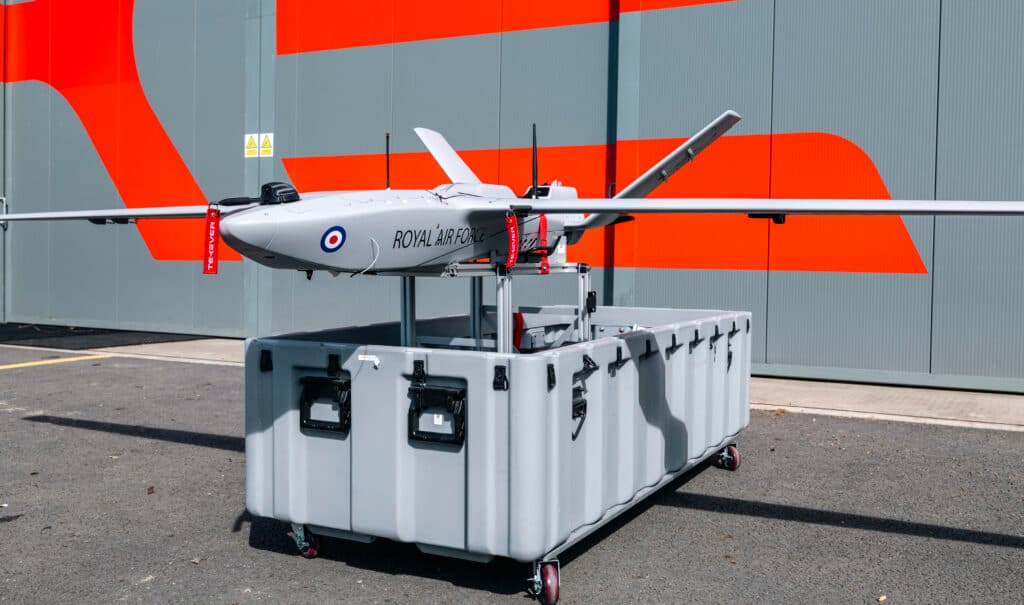
- The UK's Defence Investment Plan (DIP) allocates £5 billion specifically to autonomous systems, including drones, unmanned ground vehicles, and smart military platforms.
- The DIP formally introduces a 'hybrid navy' concept, integrating crewed warships with unmanned surface vessels (USVs) and unmanned underwater vehicles (UUVs), informed by lessons from Ukraine.
- Air force priorities include next-generation fighter jet development and expanded drone procurement and integration capabilities.
- British Army modernisation under the DIP encompasses armoured vehicle upgrades and collaborative autonomous ground systems concepts.
- Analysts say the DIP marks a strategic shift from evaluating autonomous systems to full-scale accelerated deployment across all UK armed forces.
The UK government has published its Defence Investment Plan (DIP), and beyond the headline increases in overall defence spending, the most significant strategic direction is a clear acceleration in the procurement and operational deployment of autonomous systems across all branches of the armed forces.
£5 Billion Bet on Autonomous Systems
According to the DIP, the UK will invest £5 billion in autonomous systems technology, encompassing drones, autonomous ground vehicles, and other intelligent military platforms. This commitment signals that the UK government now regards autonomy not as an optional capability add-on, but as a core pillar of future military power.
The 'Hybrid Navy' Takes Shape
In the naval domain, the DIP explicitly sets out a vision for a 'hybrid navy'—one that integrates traditional crewed warships with unmanned surface vessels (USVs) and unmanned underwater vehicles (UUVs). This concept draws directly on lessons learned from the ongoing conflict in Ukraine, where USVs have proven their battlefield value on multiple occasions. The Royal Navy is evidently seeking to systematise and scale these capabilities rather than treat them as ad hoc additions.
Across-the-Board Upgrades: Air and Land
Beyond the naval focus, the DIP outlines modernisation priorities for both the Royal Air Force and the British Army:
- Air domain: Continued development of next-generation fighter aircraft programmes, alongside enhanced procurement and integration of various drone types.
- Land domain: Armoured vehicle modernisation is listed as a priority, to be pursued in conjunction with concepts for autonomous ground systems operating collaboratively with crewed forces.
Analyst Perspective
Analysts note that the DIP sends an unambiguous signal: the UK is transitioning from considering the adoption of autonomous systems to actively accelerating their deployment. As drones and autonomous platforms take on an increasingly decisive role on the modern battlefield, the £5 billion commitment represents a determination to remain competitive with major allies and potential adversaries in the autonomous weapons technology race.
The specific procurement timelines and programme-level details within the DIP are expected to be elaborated in subsequent policy documents. Nevertheless, the overarching direction is clear: autonomy and unmanned systems will define the future of UK defence investment.
原文來源: 查看原文
FAQ
Reviewed and published by the LAETimes editorial desk ·