How NATO Is Strengthening Counter-Drone Capabilities Across Europe
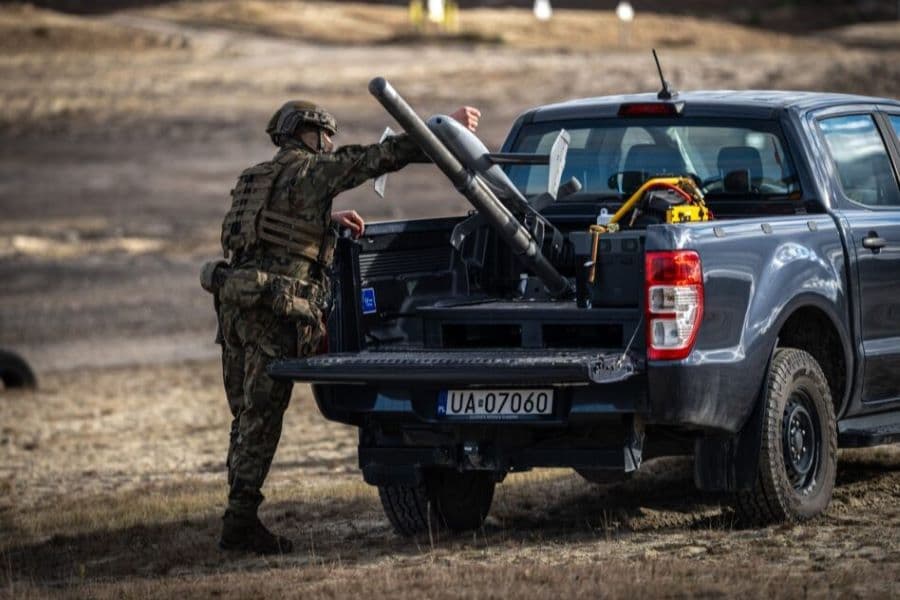
Counter-drone operations have become one of NATO's most pressing defense challenges. Driven by lessons from the Ukraine conflict and drone incursions at European military bases and critical infrastructure, NATO is shifting its strategy from single-solution procurement toward building interoperability, experimentation, and integrated capabilities across member states.
Highlights
- NATO has identified counter-drone operations as one of its most urgent defense priorities, driven by lessons from the Ukraine conflict and drone incursions across Europe.
- NATO's Counter-UAS strategy has shifted from procuring single solutions to building interoperability and integrated capabilities across all member states.
- Real-world battlefield data from Ukraine has demonstrated the destructive potential of both commercial and military drones in modern warfare.
- Joint NATO exercises and experimental validation activities are being used to test technical compatibility and develop standardized counter-drone procedures at the Alliance level.
- The overall strategic direction marks a transition from fragmented national programs to a collective, integrated European counter-drone defense framework.
Counter-drone operations have become one of NATO's most pressing defense challenges. From the battlefields of Ukraine to drone incursions at military installations and critical infrastructure sites across Europe, the pace at which threats are evolving has far outstripped the design limits of many traditional procurement and capability-development processes.
From Single Solutions to Integrated Capabilities
NATO's response strategy has increasingly shifted away from seeking a single Counter-UAS solution and toward building interoperability, experimental validation, and system integration across member states.
In recent years, NATO has launched a series of initiatives, exercises, and experimental validation activities aimed at improving allied nations' coordinated capabilities in detecting, identifying, and neutralizing drone threats. Taken together, these efforts reflect a significant strategic shift: moving away from isolated national programs and toward a more integrated European collective response framework.
A Rapidly Evolving Threat
The conflict in Ukraine has generated a wealth of real-world battlefield data, revealing the destructive potential of both commercial and military drones in modern warfare. At the same time, a growing number of unidentified drone incursions at military bases and energy facilities across Europe have further underscored the urgency of establishing effective counter-drone capabilities.
Moving Toward European Integration
NATO's Counter-UAS strategy emphasizes that no single nation's capabilities can independently address the increasingly complex drone threat landscape. Through joint exercises and experimental validation activities, member states are able to test the compatibility of different technical solutions within a common framework, and are gradually developing standardized operational procedures that can be deployed at the Alliance level.
This body of work marks a deepening of NATO's strategic thinking in the counter-drone domain—transitioning from reactive responses to proactive positioning, and from fragmented national efforts to collective allied defense.
原文來源: 查看原文
FAQ
Newsletter
Subscribe to our Low-Altitude Industry Newsletter
Daily curated news on low-altitude economy and drone industry, delivered to your inbox.
Reviewed and published by the LAETimes editorial desk ·