Ukrainian Drones Strike 10 Russian Vessels, Dealing Heavy Blow to Crimea Supply Lines
In a large-scale overnight operation on July 6–7, Ukraine's 414th Unmanned Systems Strike Aviation Brigade ('Birds of Magyar') — specifically its Kairos Battalion — struck 10 Russian vessels in the Sea of Azov and northern Black Sea, including 8 tankers, 1 bulk carrier, and 1 ferry, severely disrupting Russia's logistics chain to occupied Crimea.
Highlights
- Ukraine's Kairos Battalion struck 10 Russian vessels — including 8 tankers, 1 bulk carrier, and 1 ferry — in the Sea of Azov and northern Black Sea on the night of July 6–7.
- Named tankers targeted include Sanar-1, Sanar-17, Klimena, Teti, Aleksey Savrasov, and Penelope, each with a carrying capacity of approximately 7,000 tonnes.
- The vessels belong to Russia's 'shadow fleet' and are used both to evade energy sanctions and to deliver fuel to occupied Crimea.
- Since late 2025, a cumulative total of at least 14 Russian tankers have been damaged or sunk in Ukraine's maritime drone campaign, with a potential 15th pending confirmation.
- Ukraine's Fire Point FP-1 drones, operating in an area where Russian air defences have been largely neutralised, have effectively extended Ukrainian strike reach deep into the Black Sea and Sea of Azov.
Ukrainian Drones Strike 10 Russian Vessels, Dealing Heavy Blow to Crimea Supply Lines
In a large-scale overnight operation spanning July 6–7, Ukrainian drone forces launched a major strike against the Sea of Azov and northern Black Sea, targeting the logistics network Russia relies on to supply occupied Crimea. The operation hit a total of 10 vessels: 8 tankers, 1 bulk carrier, and 1 ferry.
The unit responsible was the Kairos Battalion, operating under the 414th Unmanned Systems Strike Aviation Brigade — also known as 'Birds of Magyar' — which falls under the Ukrainian Armed Forces' Unmanned Systems Command. The brigade has an extensive track record in deep-strike missions against high-value rear-area targets and critical infrastructure, including surface-to-air missile systems, energy facilities, and ballistic missile launchers. This latest operation marks a significant expansion of their target set to Russian maritime assets.
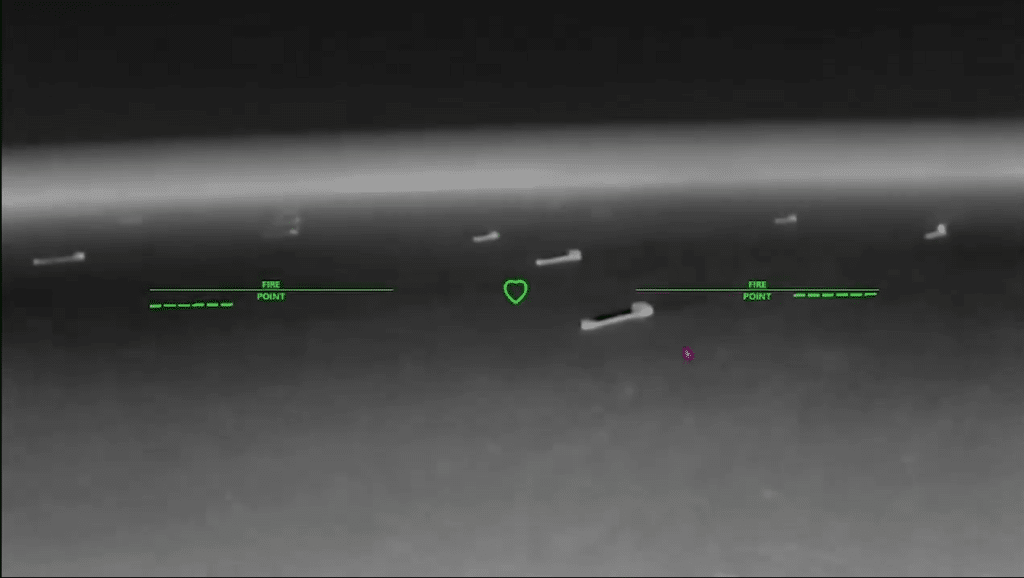
Footage captured by Ukrainian strike drones revealed the scale of Russia's logistics fleet supporting Crimea resupply operations in the Sea of Azov and northern Black Sea.
The 414th Brigade subsequently released an approximately four-and-a-half-minute highlight reel of the operation, exposing the extensive Russian logistics fleet concentrated in the Sea of Azov and northern Black Sea. These vessels have become increasingly indispensable to Russia, making regular runs to Russian-controlled Crimea carrying fuel and other essential supplies.
Brigade commander Robert 'Magyar' Brovdi posted on his Telegram channel, identifying the tankers involved — each with a carrying capacity of approximately 7,000 tonnes — as Sanar-1, Sanar-17, Klimena, Teti, Aleksey Savrasov, and Penelope. One additional tanker, one cargo vessel, and one ferry remained unconfirmed. According to vessel-tracking data, the ships were last recorded near the Sea of Azov and are members of Russia's so-called 'shadow fleet' — vessels that serve both as instruments for circumventing energy sanctions and as tankers supplying Crimea with fuel.
A Russian Navy That Barely Exists
The recent series of strikes against Russian logistics and military vessels in the Sea of Azov and Black Sea suggests that Russia's naval capability has been so severely degraded that it can no longer operate with any reasonable confidence that its ships will avoid attack — a situation that would have been unthinkable just a few years ago. These strikes also indicate that Ukrainian drone strike coverage is extending further south, beyond Ukraine's own coastline. Sustained Ukrainian campaigns targeting Russian air-defence systems in the region have left it almost entirely unable to defend against Ukrainian strike drones.
The root cause of this extended campaign lies in the fact that Ukraine has virtually no conventional naval forces in the Black Sea, and has instead relied almost entirely on unmanned systems to establish de facto control over waters once considered a Russian lake. It was drones of the Fire Point FP-1 type — the same class used in strikes like this one — that compelled Russia to reroute its tankers northward toward Crimea. These drones, combined with shorter-range counterparts, have pushed Crimea's logistics and energy infrastructure to the brink of collapse, prompting a significant exodus of civilians from the peninsula.
Since late 2025, Russian tankers have been the subject of dedicated Ukrainian strike operations. According to Naval News, a cumulative total of 14 Russian tankers have been damaged or sunk since the campaign began. A March 2026 strike on the Mediterranean tanker MV Arctic Metagaz, if confirmed as a Ukrainian operation, would raise that tally to 15 — though this has not yet been fully verified. Additionally, as reported by The War Zone (TWZ), the first Russian tanker to be struck in the Mediterranean was the Qendil, approximately four months before the Metagaz incident.
原文來源: 查看原文
FAQ
Reviewed and published by the LAETimes editorial desk ·