US Air Force Seeks Rapid Prototype Development of Supersonic Counter-Air Missile to Combat Enemy Drone Swarms
The US Air Force is pursuing a rapid prototyping pathway to develop and field Ground-Launched Counter Air (GLCA) supersonic missiles capable of defeating advanced enemy aircraft and drone swarms. The Counter Air Missile Program (CAMP) plans a procurement of 1,000 to 3,500 rounds at a target unit cost below $500,000, with initial efforts focused on developing Enterprise Test Vehicles (ETVs).
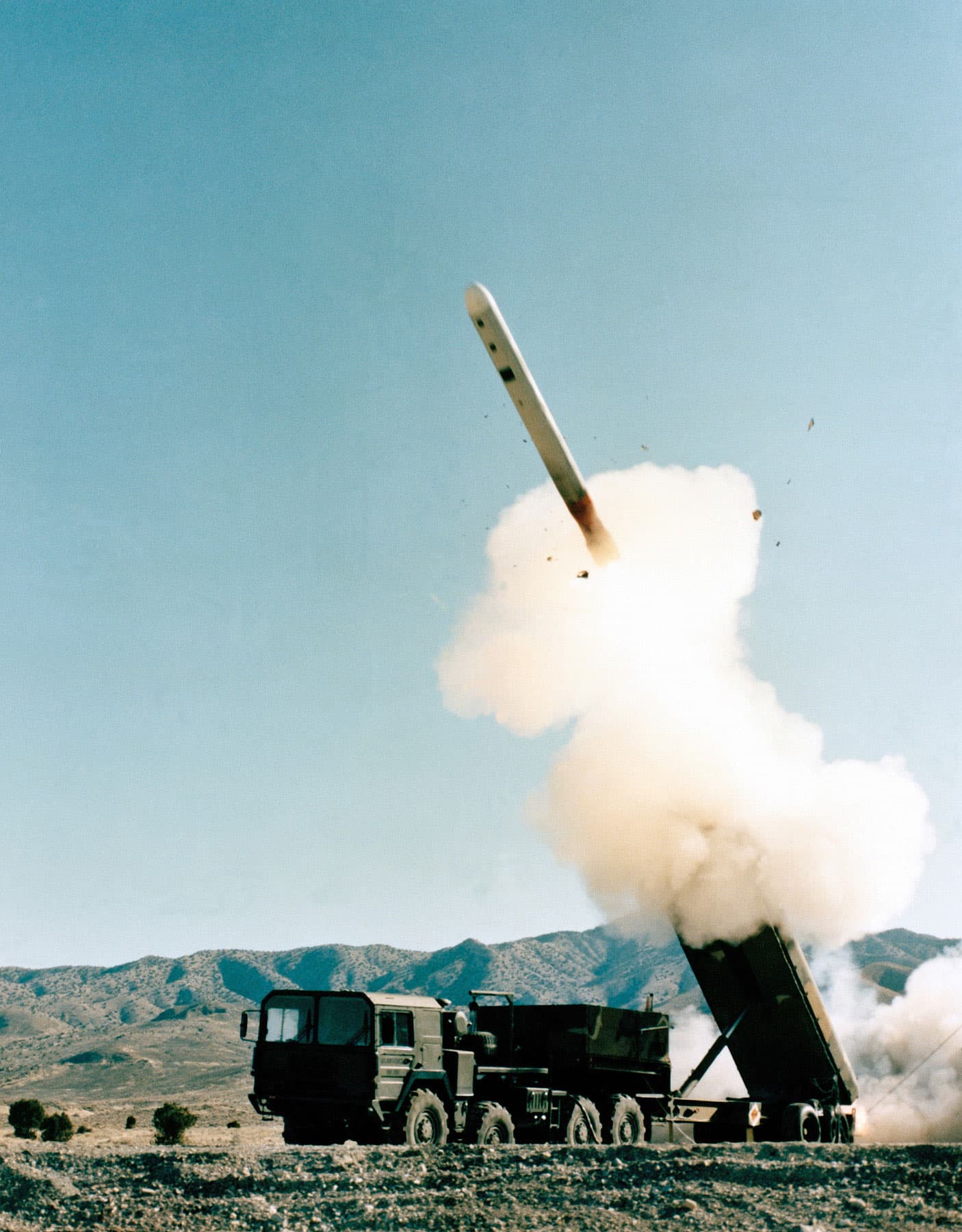
Highlights
- The US Air Force is using a rapid prototyping pathway to develop supersonic Ground-Launched Counter Air (GLCA) missiles under the Counter Air Missile Program (CAMP).
- Planned procurement totals 1,000 to 3,500 missiles, with each unit targeted at a cost below $500,000.
- CAMP's initial phase centers on developing Enterprise Test Vehicles (ETVs) to validate the technology before full-rate production.
- The program is a direct response to the growing threat of advanced enemy aircraft and drone swarm tactics in future high-end conflicts.
- Supersonic ground-launched missiles are seen as a key asymmetric solution due to their rapid response capability and high intercept efficiency against massed drone threats.
US Air Force Accelerates Supersonic Counter-Air Missile Program
According to Defense Daily, the US Air Force is actively pursuing a rapid prototyping pathway to develop and deploy Ground-Launched Counter Air (GLCA) supersonic missiles in response to the growing threat posed by advanced enemy combat aircraft and drone swarms in future conflicts.
Program Scale and Cost Targets
Pentagon planning calls for a procurement of 1,000 to 3,500 rounds, with a target unit cost set at below $500,000 per missile. The figures underscore the Department of Defense's demand for a large-scale, high-performance, and cost-effective air defense solution capable of engaging mass drone threats.
Counter Air Missile Program (CAMP) Early Progress
The Counter Air Missile Program (CAMP) will initially focus on the development of Enterprise Test Vehicles (ETVs), establishing the technical foundation required for eventual full-rate production and operational deployment.
Strategic Context: Countering Drone Swarm Tactics
The initiative reflects the Pentagon's heightened concern over the evolving character of future battlefields. As drone swarm tactics continue to mature, conventional air defense systems face unprecedented operational challenges. Supersonic ground-launched missiles—offering rapid response times and high intercept efficiency—are viewed as a critical asymmetric counter to massed unmanned aerial threats.
Full coverage is available via Defense Daily (subscription required).
Originally published by AIAA – Shaping the future of aerospace.
原文來源: 查看原文
FAQ
Reviewed and published by the LAETimes editorial desk ·


