RC Rally Car With Gimbal Camera: The Ultimate Ground-Level Tracking Shot Vehicle
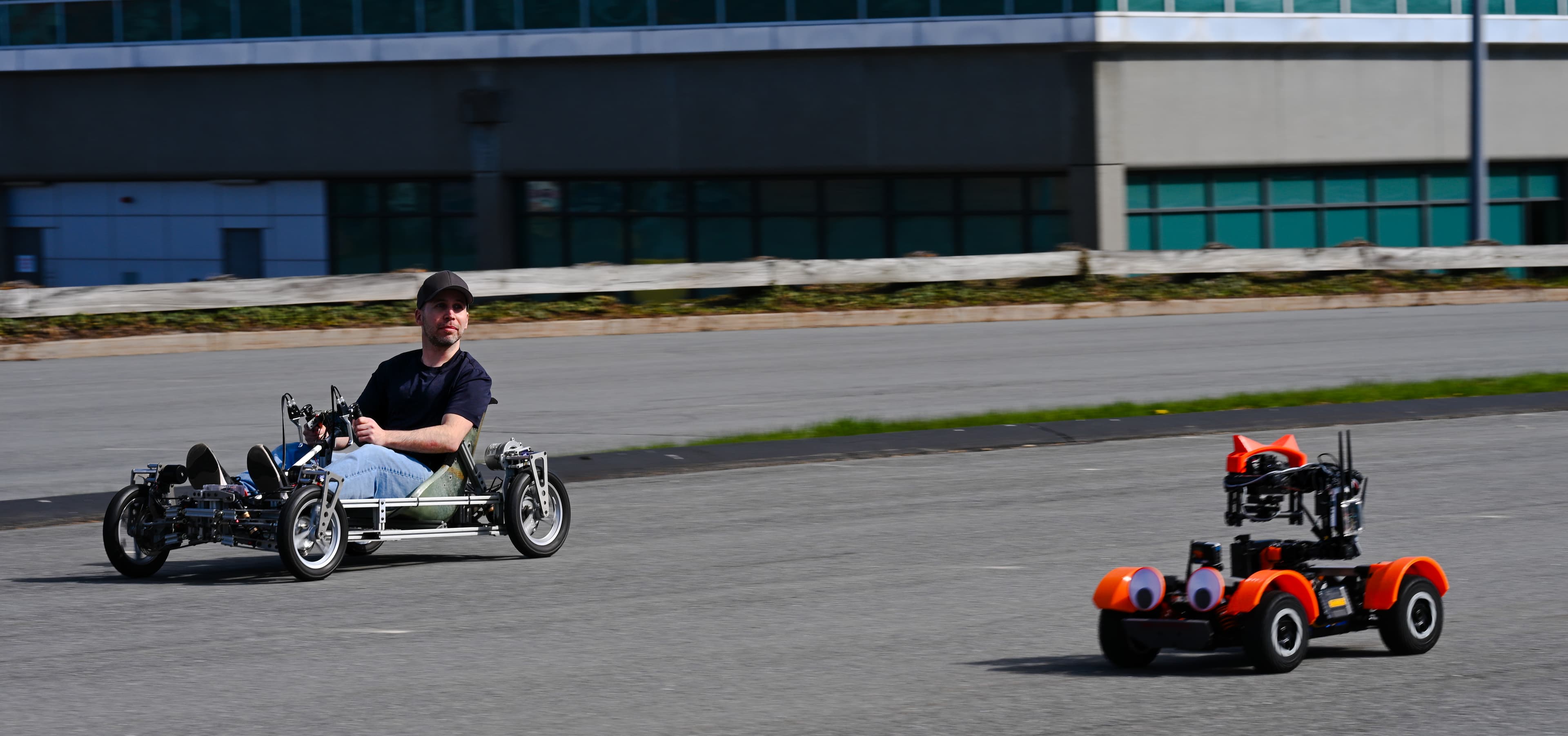
Maker Transistor Man has built a cinematic tracking vehicle using a 1/5-scale RC rally car chassis, a Sony professional camera, and a stabilizing gimbal. Operated via a full-HD FPV system, the rig uses extensively 3D-printed TPU components to survive rough terrain — proving that decade-old secondhand gear can still deliver professional-grade, low-angle footage.
Highlights
- Transistor Man built a cinematic ground-tracking vehicle on a 1/5-scale RC rally car chassis, paired with a Sony professional camera and a stabilizing gimbal for low-angle filmmaking.
- The full-HD FPV system allows a remote operator to pilot the vehicle in real time, providing clear visual feedback across varied terrain.
- Nearly all 3D-printed components were reprinted in TPU flexible filament after rigid parts failed due to heavy vibration during operation.
- Decade-old secondhand gimbal and radio equipment proved sufficient to capture professional-grade, cinematic footage, demonstrating strong value in the used gear market.
- The project highlights a filmmaking gap that drones cannot fill: stable, high-quality camera movement at ground level across rough surfaces.
Modern filmmaking relies heavily on quadcopter drones, which offer exceptionally smooth, easily-positioned camera platforms. From slow lateral tracking shots to dynamic chase sequences, drones excel — provided the shooting angle is high enough.
Get close to the ground, however, and things get considerably more complicated. That is precisely the problem maker Transistor Man set out to solve with this custom camera tracking vehicle.
The Best Solution for Ground-Level Tracking
At its core, this rig is a land rover purpose-built for low-angle shooting. It cannot take to the sky, but its ground-level performance is nothing short of impressive. The system is built around the following key components:
- 1/5-scale RC rally car chassis: Delivers substantial power to handle a wide variety of terrain
- Professional gimbal: Stabilizes a Sony professional camera to ensure shake-free footage
- Decade-old radio equipment: Provides a full-HD FPV feed, giving the remote operator a clear view of the vehicle's path
- Animated googly eyes: Because every great build deserves a little personality
Key 3D Printing Lesson: TPU Flexible Filament Is Essential
The vehicle vibrates aggressively during operation — and that taught the builder a valuable lesson: under such intense operating conditions, rigidity alone cannot hold a structure together. Flexibility is what matters.
Nearly every 3D-printed component was ultimately reprinted in TPU (thermoplastic polyurethane) flexible filament to ensure durability over rough surfaces. This is a highly practical takeaway for any maker looking to build a similar rig.
Older Gear Can Still Deliver Professional-Grade Results
Another important insight from this project is that we have entered a technological plateau. By leveraging the secondhand market, equipment that is ten years old — such as the gimbal and radio gear used in this build — is still capable of capturing top-tier footage. For independent creators and small production companies, this is excellent news.
The vehicle is clearly a blast to drive, but more importantly, the Sony professional camera mounted on the gimbal delivers smooth, cinematic shots that hold their own against dedicated professional equipment.
How Does It Compare to a Camera Slider?
For those unable to source a suitable secondhand gimbal, DIY gimbal systems are a viable alternative. While we are not professional cinematographers, it raises an interesting question: how does footage captured by this RC tracking vehicle compare to that of a traditional camera slider? That may well be a comparison worth testing in depth.
原文來源: 查看原文
FAQ
Reviewed and published by the LAETimes editorial desk ·