Beyond the Algorithm: Engineering Capability Is the Real Key to Agentic AI Success
The Pentagon's announcement of agentic AI initiatives signals a major shift in military AI strategy—from single-algorithm development to distributed, collaborative systems. Experts warn that the true challenge lies not in algorithmic sophistication but in systems engineering: ensuring reliable multi-agent coordination, robust communication interfaces, and resilient failure handling in dynamic operational environments.
Highlights
- The U.S. Pentagon announced agentic AI initiatives, signaling a strategic shift from single-algorithm military AI to distributed, multi-agent collaborative systems.
- Industry experts identify systems integration and engineering execution—not algorithmic sophistication—as the primary barrier to successful agentic AI deployment.
- Key engineering challenges include ensuring stable multi-agent coordination in dynamic environments, designing reliable communication interfaces, and managing system failures and edge cases.
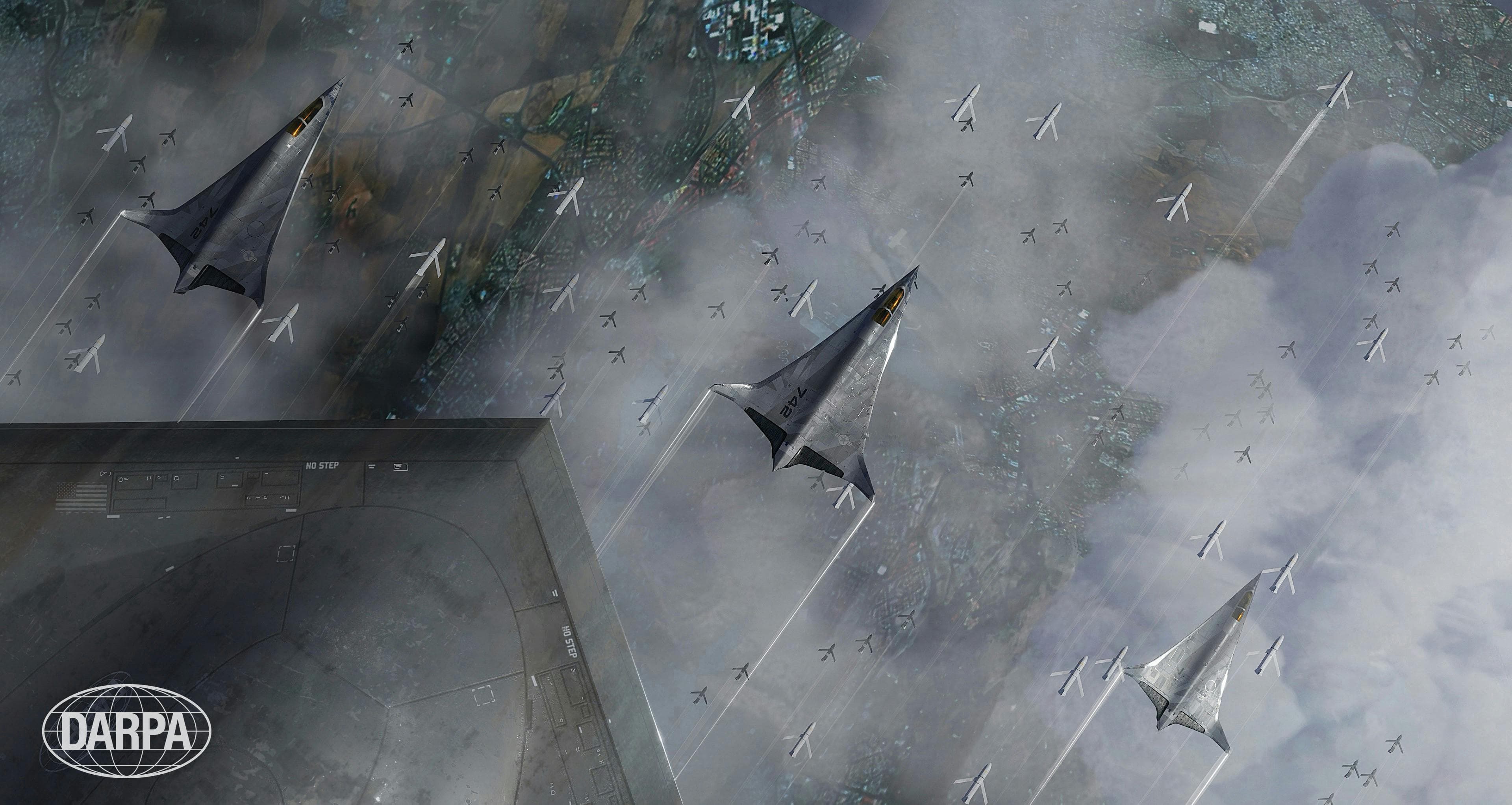
- The Pentagon's pivot from 'better algorithms' to 'collaborative AI ecosystems' is expected to have far-reaching implications for autonomous drone systems and military modernization.
- Analysts conclude that the nation or organization achieving a breakthrough in distributed AI systems engineering will hold the decisive advantage in the next generation of military AI competition.
Beyond the Algorithm: Engineering Capability Is the Real Key to Agentic AI Success
The U.S. Department of Defense's recent announcement of agentic AI initiatives marks a significant turning point—military artificial intelligence discussions are moving away from individual algorithms and toward distributed systems capable of collaborating to solve complex operational problems.
From Single Models to Collaborative Systems
For much of the past decade, military AI development focused on optimizing discrete algorithms for point applications such as target recognition, intelligence analysis, and mission planning. The Pentagon's agentic AI announcement signals a strategic pivot: the future lies in building distributed architectures in which multiple AI agents operate in concert, communicating with one another and dividing responsibilities to tackle increasingly complex combat scenarios.
Engineering Capability Is the Core Challenge
While the concept of agentic AI is compelling, industry experts caution that the real hurdles have little to do with how sophisticated any single algorithm is. The fundamental challenge is systems integration and engineering execution. How do you ensure that multiple AI agents collaborate reliably in dynamic, contested environments? How do you design dependable communication interfaces between them? How do you handle cascading system failures and unanticipated edge cases? These are fundamentally engineering problems—and they are formidable ones.
A New Milestone for Military AI Development
Observers are reading the Pentagon's announcement as a meaningful inflection point in U.S. military AI strategy. The shift in thinking—from "build a better algorithm" to "build an ecosystem of AI systems that can fight together"—carries profound implications for the defense technology sector, autonomous drone systems, and the broader trajectory of military modernization.
Analysts stress that in the next generation of military AI competition, the decisive advantage will belong to whoever achieves a breakthrough in the engineering of distributed AI systems—not merely in the quality of the models they deploy.
原文來源: 查看原文
FAQ
Newsletter
Subscribe to our Low-Altitude Industry Newsletter
Daily curated news on low-altitude economy and drone industry, delivered to your inbox.
Reviewed and published by the LAETimes editorial desk ·