Pacific War Games Keep Exposing the Same Aerial Refueling Vulnerability — and Possible Fixes
Repeated U.S. military wargames simulating Pacific conflict scenarios consistently flag a critical weakness: concentrating large tanker aircraft at a small number of airfields leaves air-refueling capacity dangerously exposed. Planners are evaluating distributed basing, unmanned aerial refueling drones, and low-cost expendable platforms as potential solutions.
Highlights
- Multiple U.S. military wargames simulating Pacific conflict scenarios have repeatedly identified concentrated tanker basing at a small number of airfields as a critical strategic vulnerability.
- Simulations show that precision strikes on key airfields could destroy large numbers of KC-135 and KC-46 tankers simultaneously, potentially paralyzing Indo-Pacific air operations.
- Military planners are evaluating three main countermeasures: distributed basing across more forward operating bases, unmanned aerial refueling (UAR) drones, and expendable low-cost drone tanker platforms.
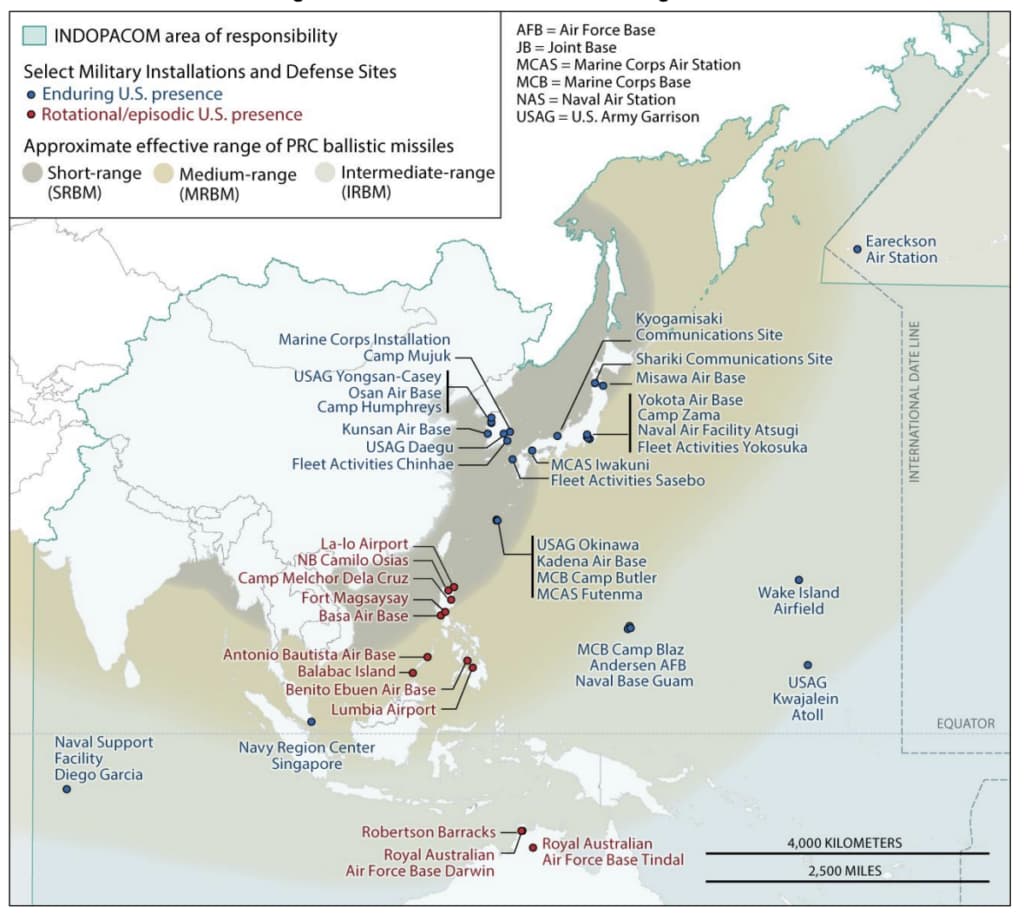
- The Pacific theater's extreme operational distances make aerial refueling a core enabler of power projection, far more so than in European or Middle Eastern theaters.
- Analysts stress that solving the tanker vulnerability requires not just new hardware but fundamental transformation in operational concepts and logistics planning for near-peer conflict.
Pacific War Games Keep Exposing the Same Aerial Refueling Vulnerability — and Possible Fixes
(Sponsored Content) Across multiple U.S. military wargames and simulation exercises focused on the Pacific theater, one recurring vulnerability keeps surfacing: concentrating large aerial refueling tankers at a handful of airfields creates a serious strategic liability.
The Strategic Risk of Concentrated Basing
Simulation results have repeatedly shown that if an adversary conducts precision strikes against these critical airfields, the large tankers stationed there could be destroyed en masse — effectively paralysing U.S. air combat endurance across the Indo-Pacific. For fighter and bomber missions requiring long-range flight support, this represents a potentially decisive constraint on overall operational capability.
Distributed Basing and Unmanned Tankers as Potential Solutions
In response to these findings, military planners are actively evaluating a range of countermeasures, including:
- Distributed Basing Strategy: Spreading tanker assets across a greater number of dispersed forward operating bases to eliminate single points of failure.
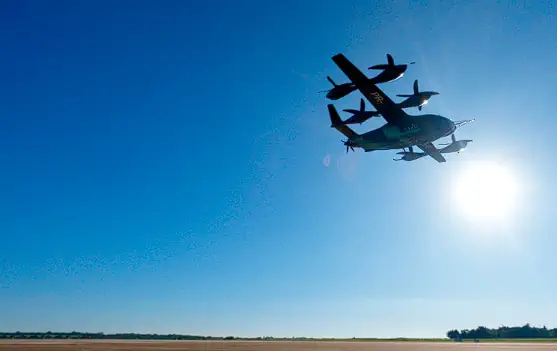
- Unmanned Aerial Refueling (UAR) Drones: Developing unmanned tanker drones capable of supporting frontline aircraft in a more cost-effective and flexible manner, reducing dependence on large manned tankers.
- Expendable Drone Platforms: Employing relatively low-cost drone platforms for refueling missions so that attrition in high-threat environments does not degrade overall combat capability.
The Operational Realities of the Indo-Pacific
The Pacific theater's vast distances — far exceeding the operational radii typical of European or Middle Eastern battlefields — make aerial refueling a cornerstone of power projection. Yet existing large tankers such as the KC-135 and KC-46 are not only limited in number but also highly dependent on fixed logistics infrastructure, making them particularly vulnerable in a near-peer competition scenario.
Military analysts note that addressing this problem requires more than equipment and technological innovation. Fundamental transformation in operational concepts and logistics planning will be essential to meeting the demands of future high-intensity conflict.
原文來源: 查看原文
FAQ
Reviewed and published by the LAETimes editorial desk ·