US Air Force Accelerates Collaborative Combat Aircraft Program: From Concept to Operational Readiness
At the 2026 AIAA Aviation Forum, US Air Force leaders and industry partners called for breaking away from traditional lengthy acquisition timelines to keep pace with technologically advanced adversaries, urging faster transition of Collaborative Combat Aircraft (CCA) unmanned wingmen from concept demonstration to full operational capability.
Highlights
- US Air Force leaders stated at the 2026 AIAA Aviation Forum that traditional linear weapons acquisition timelines are no longer sufficient to keep pace with technologically advanced adversaries.
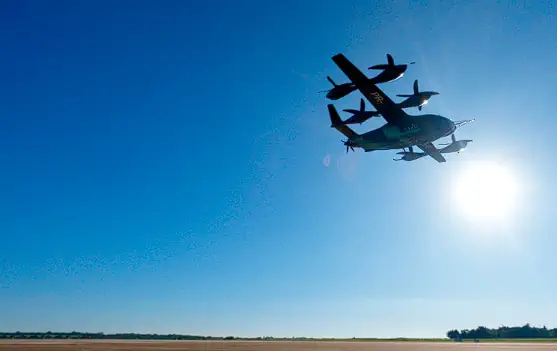
- The Collaborative Combat Aircraft (CCA) program aims to develop AI-autonomous unmanned wingmen that operate alongside crewed fighters to multiply combat effectiveness and lower pilot risk.
- Officials emphasized the need to drastically compress the development-to-deployment cycle, as current acquisition processes can take decades to deliver new systems to frontline units.
- The CCA concept centers on deploying lower-cost, higher-volume drones paired with crewed aircraft, leveraging autonomous AI control to expand overall mission capability.
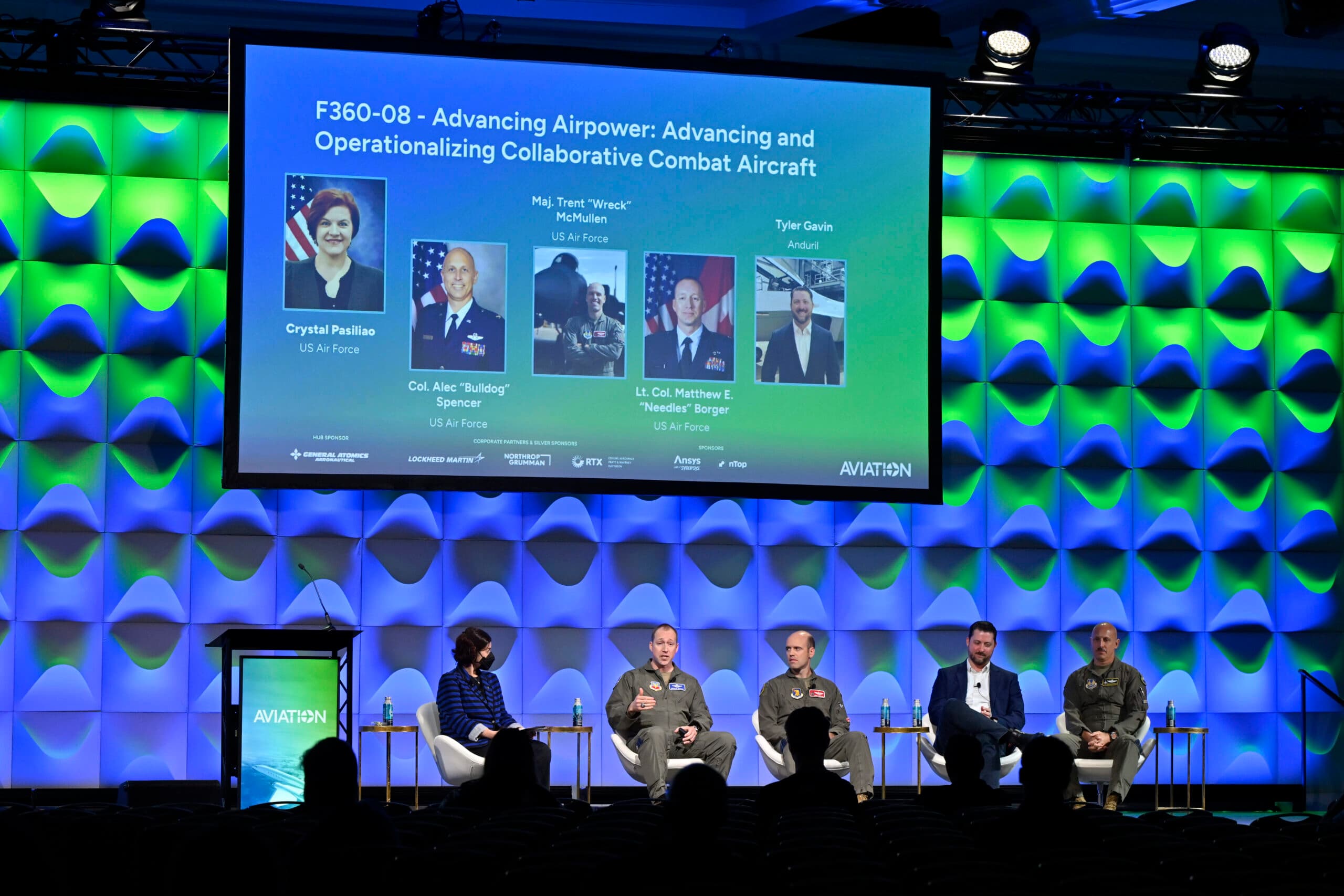
- The 2026 AIAA Aviation Forum convened Air Force representatives and major defense industry partners to jointly develop strategies for accelerating CCA research, production, and fielding.
US Air Force leaders and industry partners involved in the Collaborative Combat Aircraft (CCA) program told attendees at the 2026 American Institute of Aeronautics and Astronautics (AIAA) Aviation Forum that the United States can no longer afford to rely on the traditional, drawn-out linear weapons acquisition process if it hopes to maintain a competitive edge in military technology.
Breaking the Traditional Acquisition Model
The CCA program is designed to develop advanced unmanned wingman systems capable of operating alongside crewed fighter aircraft. Air Force officials and industry representatives at the forum stressed that, in the face of increasingly capable potential adversaries, the US must dramatically compress the timeline from concept development to frontline deployment.
Responding to the Technology Competition Threat
Participants noted that the current acquisition system often takes decades to deliver new weapon systems to warfighters—a pace that is clearly inadequate given today's rapidly evolving geopolitical and technological landscape. The CCA program represents a significant effort by the US military to develop next-generation combat drone systems in a more agile and expedited manner.
At the core of the CCA concept is pairing lower-cost, higher-volume unmanned aircraft with crewed fighters, leveraging AI-driven autonomous capabilities to multiply overall combat effectiveness while reducing pilot risk on the battlefield.
Industry and Military Advancing Together
The AIAA Aviation Forum brought together official Air Force representatives and major defense industry partners to discuss how to accelerate CCA research, development, and production while maintaining technical quality—ensuring that US forces can achieve full operational capability within the required window.
This article is based on coverage from AIAA (American Institute of Aeronautics and Astronautics) official media. AIAA is dedicated to shaping the future of the aerospace industry.
原文來源: 查看原文
FAQ
Newsletter
Subscribe to our Low-Altitude Industry Newsletter
Daily curated news on low-altitude economy and drone industry, delivered to your inbox.
Reviewed and published by the LAETimes editorial desk ·