California Teen Builds Autonomous Rescue Drone with Thermal Imaging and AED After Losing Friend in Rafting Accident
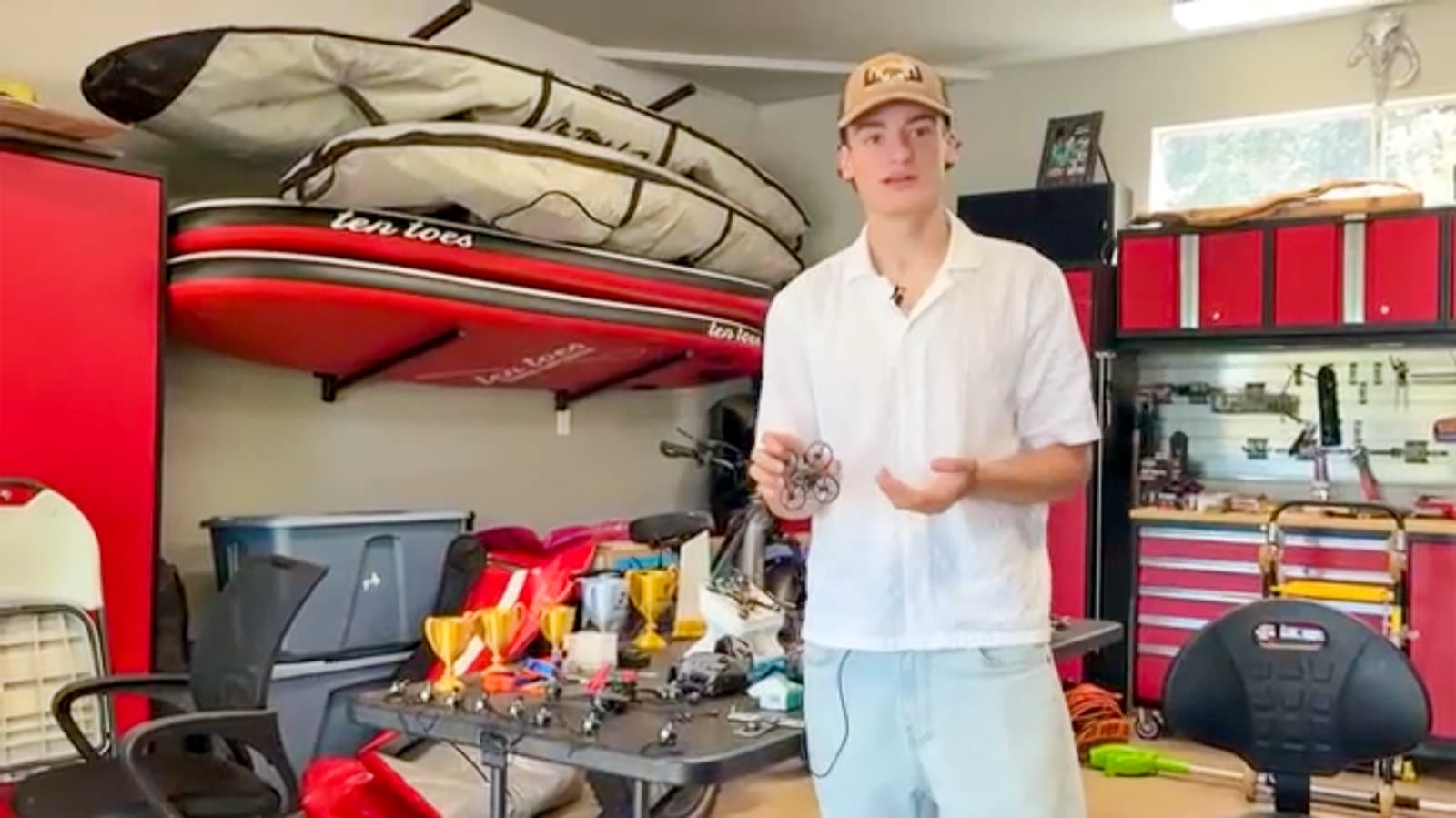
An 18-year-old whitewater rafting guide from Grass Valley, California, is developing an autonomous rescue drone called 'Winter' after witnessing a close friend die in a rafting accident. The drone integrates thermal imaging search capability, an automated external defibrillator (AED) delivery system, and water supply drop functionality to improve emergency response in remote areas.
Highlights
- An 18-year-old from Grass Valley, California is developing an autonomous rescue drone named 'Winter' after his friend died in a whitewater rafting accident.
- The 'Winter' drone integrates thermal imaging, AED delivery, and water supply drop capabilities into a single autonomous platform.
- The drone is designed to close the emergency response gap in remote waterways and mountain terrain where rescue teams cannot arrive within the golden hour.
- The project remains in the development phase but has drawn widespread attention to drone applications in emergency rescue and medical logistics.
An 18-year-old whitewater rafting guide from Grass Valley, California, has turned personal tragedy into technological innovation. After witnessing a close friend die in a rafting accident, he has committed himself to developing emergency rescue technology — and is currently building an autonomous drone called "Winter" in the hope of preventing similar tragedies.
Multiple Rescue Capabilities in a Single Platform
The design philosophy behind "Winter" centers on integrating several emergency response functions into one airborne system:
- Thermal Imaging Search: Onboard thermal sensors enable rapid location of victims in complex terrain or low-visibility nighttime conditions.
- Automated External Defibrillator (AED) Delivery: The drone can transport an AED directly to a cardiac arrest patient, buying critical time before paramedics arrive.
- Water and Supply Drop: The system can deliver drinking water or essential supplies to those in distress before ground rescue teams reach the scene.
From Tragedy to Action
The young guide says that his friend's sudden death made him acutely aware of a persistent gap in emergency response: in remote waterways or mountainous terrain, rescue personnel frequently cannot reach victims within the critical golden hour. He envisions "Winter" filling that gap through the high mobility and autonomous flight capability that drones offer, providing first-response support where traditional systems fall short.
"Winter" remains in the development phase, but the teenager's ingenuity and initiative have already drawn considerable attention to the potential of drones in emergency rescue applications.
Youth Innovation Driving Rescue Technology Forward
In recent years, drones have seen increasingly widespread adoption in search and rescue operations and medical supply delivery. A platform like "Winter" — which consolidates thermal imaging, AED deployment, and supply delivery into a single drone — could, if successfully realized, significantly improve emergency response efficiency in remote areas and give more people in life-threatening situations a fighting chance.
原文來源: 查看原文
FAQ
Reviewed and published by the LAETimes editorial desk ·