Scientists: Lithium and Magnesium Reserves in Seawater Could Meet Human Needs for 50,000 Years
Researchers at the U.S. Pacific Northwest National Laboratory (PNNL) estimate that just 0.1% of the world's seawater contains enough lithium, magnesium, and other critical minerals to supply humanity for over 50,000 years. Backed by the Department of Energy, the team is developing extraction technologies—including co-flow reactors and bipolar membrane electrodialysis systems—that could be integrated with existing desalination plants to create a more sustainable critical minerals supply chain.
Highlights
- PNNL researchers estimate that 0.1% of global seawater contains enough lithium, magnesium, and critical minerals to meet human demand for over 50,000 years.
- PNNL's co-flow reactor produces high-purity magnesium hydroxide by continuously mixing seawater with sodium hydroxide, eliminating multiple processing steps.
- Paired with California's Carlsbad desalination plant, the system could generate approximately 524,000 kg of magnesium hydroxide per day—over three times U.S. daily consumption.
- PNNL's bipolar membrane electrodialysis (BPMED) system achieves 37% higher nickel leaching efficiency from olivine compared to conventional commercial hydrochloric acid.
- BPMED-produced mildly acidic seawater shows early promise for accelerating algae growth, enabling simultaneous mineral recovery and bioenergy or fertilizer production.
Oceans Hold Vast Reserves of Critical Minerals
Researchers at the Pacific Northwest National Laboratory (PNNL) have estimated that the world's oceans represent one of the largest untapped reservoirs of critical minerals on Earth, containing lithium, magnesium, manganese, cobalt, and rare earth elements essential to electronics and clean energy technologies.
Supported by the U.S. Department of Energy's Water Power Technologies Office, the PNNL team is actively developing methods to extract these critical minerals from seawater. The concept itself is not new—during World War II, the United States extracted large quantities of magnesium from seawater before shifting to imports in the 1990s.
PNNL chemical oceanographer Jessica Cross stated: "Just 0.1% of seawater, if its magnesium, lithium, and other critical minerals were fully extracted, would be sufficient to meet human needs for 50,000 years or more."
Ultra-Low Concentrations Remain the Key Challenge
PNNL chemist Dr. Chinmayee Subban noted that the primary obstacle to extracting critical minerals from seawater is their extremely low concentration. While magnesium is relatively abundant, lithium and nickel are present in only trace amounts, requiring engineers to process enormous volumes of seawater to recover meaningful quantities.
To put it in perspective: an Olympic-size swimming pool (approximately 2.27 million liters of seawater) contains roughly 2,980 kg of magnesium, but only about 0.42 kg of lithium and a mere 0.00095 kg of nickel.
Subban emphasized: "The great advantage of seawater is that its chemical composition is broadly consistent across the globe. That means we can develop a technology for one location and rapidly scale it for deployment anywhere in the world."
Breakthrough: The Co-Flow Reactor
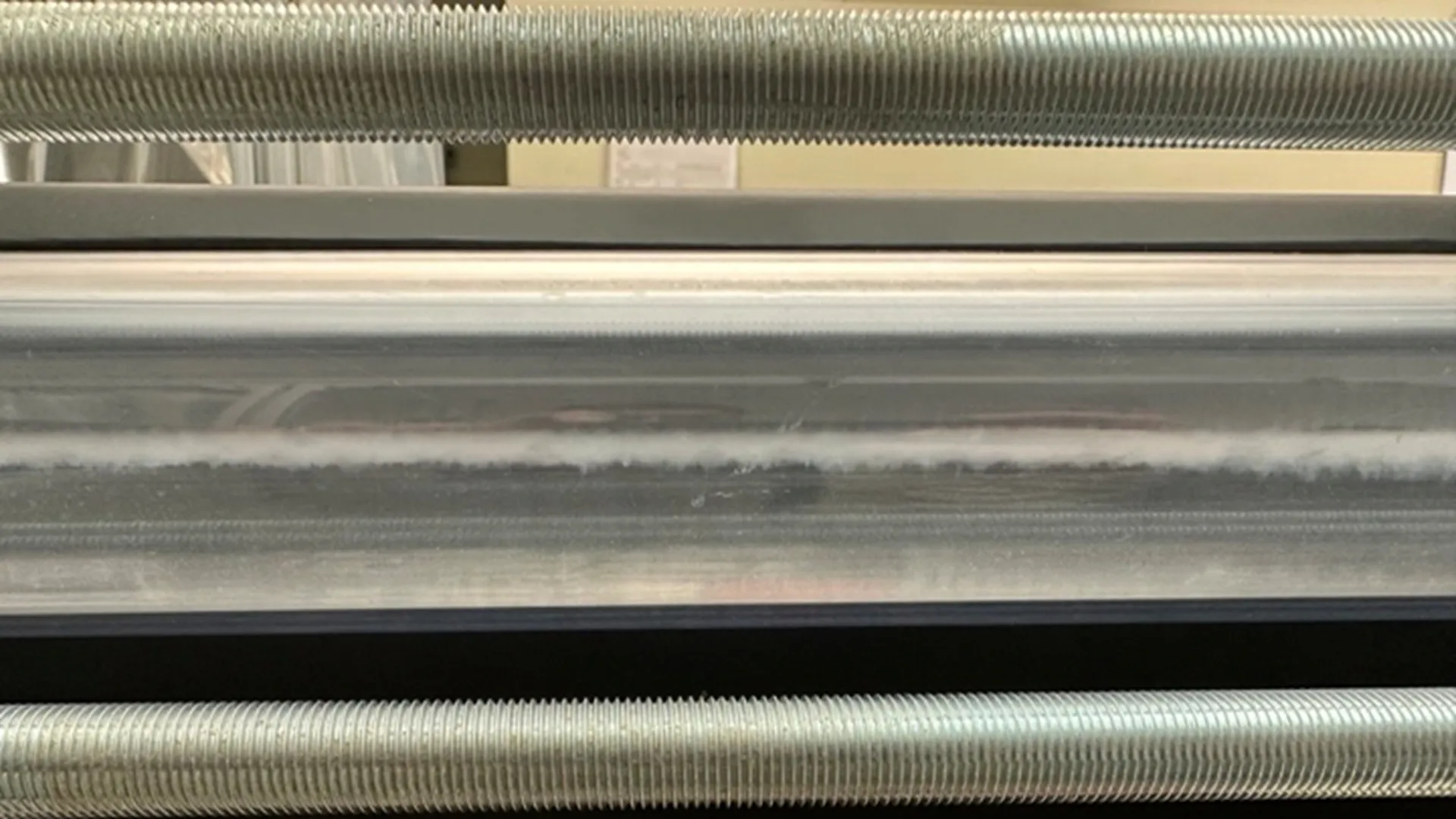
To address this challenge, the PNNL team developed a co-flow reactor that continuously brings seawater into contact with sodium hydroxide. When the two fluids meet, high-purity magnesium hydroxide is produced and collected.
This process eliminates multiple chemical processing steps and yields magnesium hydroxide—a material widely used across U.S. industries that currently relies heavily on imports.
Researchers say the modular system can be installed alongside existing sealwater desalination facilities. Infrastructure analysis indicates that, if paired with the Carlsbad desalination plant in California, the system could produce approximately 524,000 kg of magnesium hydroxide per day under full-recovery conditions—more than three times current U.S. daily consumption.
Versatile Applications for By-Products
The research team is also exploring how to make full use of every by-product generated during mineral extraction. After magnesium is removed, the concentrated brine can be further processed through bipolar membrane electrodialysis (BPMED), generating the acid and alkaline chemicals needed for downstream processing.
The team found that the acid produced by BPMED outperforms commercially available hydrochloric acid when extracting nickel from olivine, with laboratory tests showing a 37% higher nickel leaching efficiency compared to conventional acids.
Residual by-products could also benefit aquaculture. PNNL Marine Research Laboratory research botanist Scott Edmundson noted: "Certain critical substances are concentrated in seaweed at levels up to one million times higher than in the surrounding seawater." Early research also suggests that the mildly acidic seawater produced by BPMED can accelerate algae growth, pointing toward a future system capable of simultaneously recovering minerals while producing chemicals, fuels, fertilizers, and bioenergy.
Promising Outlook, Challenges Remain
Despite significant remaining engineering and cost challenges, researchers believe this approach could help the United States build a more self-sufficient and sustainable critical minerals supply chain—with far-reaching implications for the long-term development of clean energy and electronics industries.
原文來源: 查看原文
FAQ
Newsletter
Subscribe to our Low-Altitude Industry Newsletter
Daily curated news on low-altitude economy and drone industry, delivered to your inbox.
Reviewed and published by the LAETimes editorial desk ·