Historic First: U.S. Corsair Autonomous Surface Vessels Strike Iranian Naval Base at Bandar Abbas
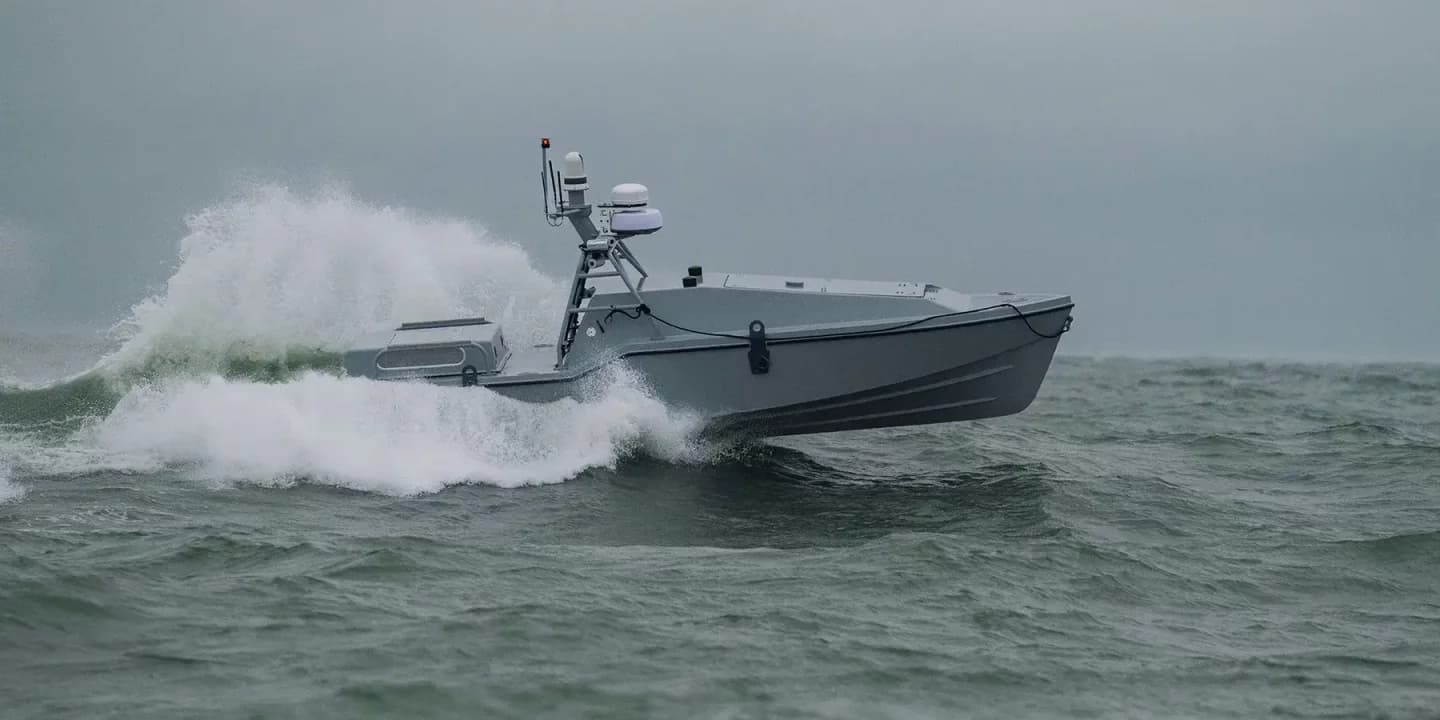
U.S. Central Command (CENTCOM) has announced that three Corsair Autonomous Surface Vessels (ASVs) conducted a coordinated strike on Iran's Bandar Abbas naval base — marking the first combat attack by U.S. unmanned surface vehicles (USVs) in history. The operation demonstrates the growing role of autonomous maritime systems in high-intensity naval warfare.
Highlights
- U.S. CENTCOM confirmed three Corsair Autonomous Surface Vessels conducted the first-ever USV combat strike in U.S. military history.
- The three ASVs simultaneously attacked Iran's Bandar Abbas naval base in a coordinated precision strike with no personnel on board.
- Corsair ASVs are developed by Marine Innovations and feature fully autonomous navigation and strike capabilities.
- Bandar Abbas is one of Iran's most strategically significant naval installations, making the strike a major deterrent signal.
- The operation is expected to reshape global naval strategy and accelerate the development of autonomous maritime combat platforms.
U.S. Autonomous Vessels Conduct First-Ever Combat Strike on Iranian Naval Base
U.S. Central Command (CENTCOM) has announced that three Corsair Autonomous Surface Vessels (ASVs) successfully carried out a synchronized strike on Iran's Bandar Abbas naval base in southern Iran — setting a landmark precedent in the history of U.S. unmanned surface vehicle (USV) combat operations.
Coordinated Multi-Vessel Strike Marks New Era in Autonomous Warfare
The three Corsair ASVs operated simultaneously, executing a coordinated precision strike that demonstrated the collaborative capability of autonomous systems in high-intensity maritime combat environments. The operation follows a series of historical milestones in unmanned aerial warfare and now extends that record to the naval domain.
About the Corsair Autonomous Surface Vessel
The Corsair ASV is developed by Marine Innovations and features advanced autonomous navigation and combat capabilities, enabling it to conduct reconnaissance, patrol, and strike missions without any personnel on board. The operational deployment of such unmanned surface vessels signals a major acceleration in the shift toward autonomous and unmanned platforms in modern naval warfare.
Strategic Implications
Analysts note that the operation represents not only a significant technological breakthrough but also carries profound strategic implications — demonstrating that the U.S. military now possesses the operational capability to strike enemy naval facilities directly, at low risk and without placing personnel in harm's way.
Bandar Abbas is one of Iran's most strategically important naval installations, and the successful strike is expected to carry a considerable deterrent effect on Iranian naval forces.
This operation formally marks the entry of autonomous unmanned surface systems into the combat strike phase, and is widely expected to shape the future trajectory of unmanned maritime warfare and naval strategic planning across multiple nations.
原文來源: 查看原文
FAQ
Reviewed and published by the LAETimes editorial desk ·