UK Selects Three Firms to Develop Low-Cost Drone Interceptors, Leading Five-Nation Air Defence Initiative
The UK Ministry of Defence has awarded £3.16 million to three suppliers to develop low-cost interceptors designed to defeat drones and other aerial threats. The UK is the first of five European partner nations to sign contracts under a joint air defence enhancement programme aimed at delivering more cost-effective counter-drone capabilities.
Highlights
- The UK Ministry of Defence awarded £3.16 million to three suppliers to develop low-cost drone interceptors under a five-nation European joint air defence programme.
- The UK is the first of five European partner nations to complete contract awards under the collaborative air defence enhancement framework.
- The programme targets cost-effective intercept solutions to address the economic mismatch of using high-value missiles against low-cost drones.
- The identities of the three selected suppliers and individual contract values have not yet been publicly disclosed by the MoD.
- The remaining four European partner nations are expected to follow with their own contract awards to advance the joint initiative.
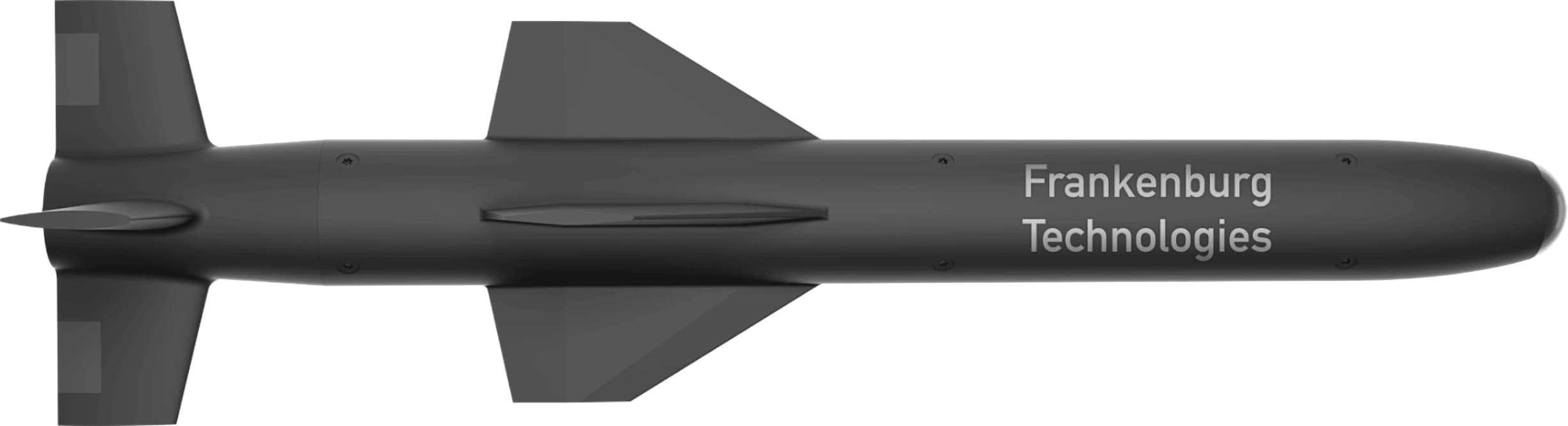
The UK Ministry of Defence (MoD) has announced the award of £3.16 million in contracts to three suppliers tasked with developing next-generation low-cost interceptors capable of defeating drones and other airborne threats.
First Mover in a Five-Nation Joint Programme
The UK is the first of five European partner nations to complete contract awards under a collaborative air defence enhancement framework. The multinational initiative is designed to pool European allies' research and development capabilities to address the growing threat posed by drone warfare.
The Strategic Case for Low-Cost Interceptors
On the modern battlefield, the widespread deployment of low-cost commercial and military-grade drones has called into question the cost-effectiveness of traditional air defence missile systems — it is economically unsustainable to engage cheap drones with expensive missiles. The core objective of the UK's development programme is to produce more cost-effective intercept solutions that allow air defence forces to operate with greater flexibility and long-term sustainability.
What Comes Next
The remaining four European partner nations are expected to follow suit, completing their own contract awards under respective national frameworks to advance the joint programme. As the drone threat continues to intensify across conflict zones worldwide, the race to develop affordable counter-drone intercept technologies is set to accelerate.
The UK MoD has not yet publicly disclosed the identities of the three selected suppliers or the individual contract values awarded to each. Further details are expected to be released in due course.
原文來源: 查看原文
FAQ
Reviewed and published by the LAETimes editorial desk ·