Air Taxi Makers Plan Tesla-Style Charging Network for Electric Aircraft
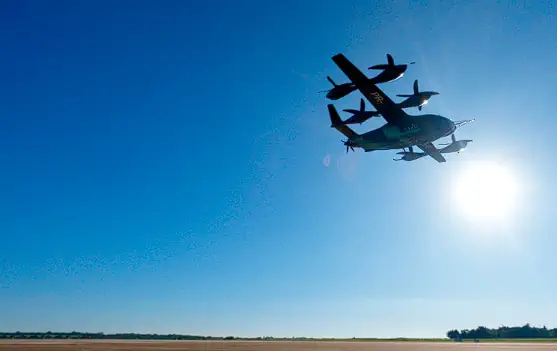
Archer Aviation and Beta Technologies have launched the America's Consortium for Electric Skyways (ACES), aiming to build up to 250 air taxi operational sites across the United States by 2030. The initiative, backed by Macquarie Capital, will deploy Beta's interoperable CCS-based charging systems at major airports and cities in New York, Florida, California, and Texas.
Highlights
- Archer Aviation and Beta Technologies launched ACES on Thursday, targeting up to 250 electric air taxi operational sites across the U.S. by 2030.
- Macquarie Capital will act as strategic advisor and provide financing for site acquisition and development under the ACES initiative.
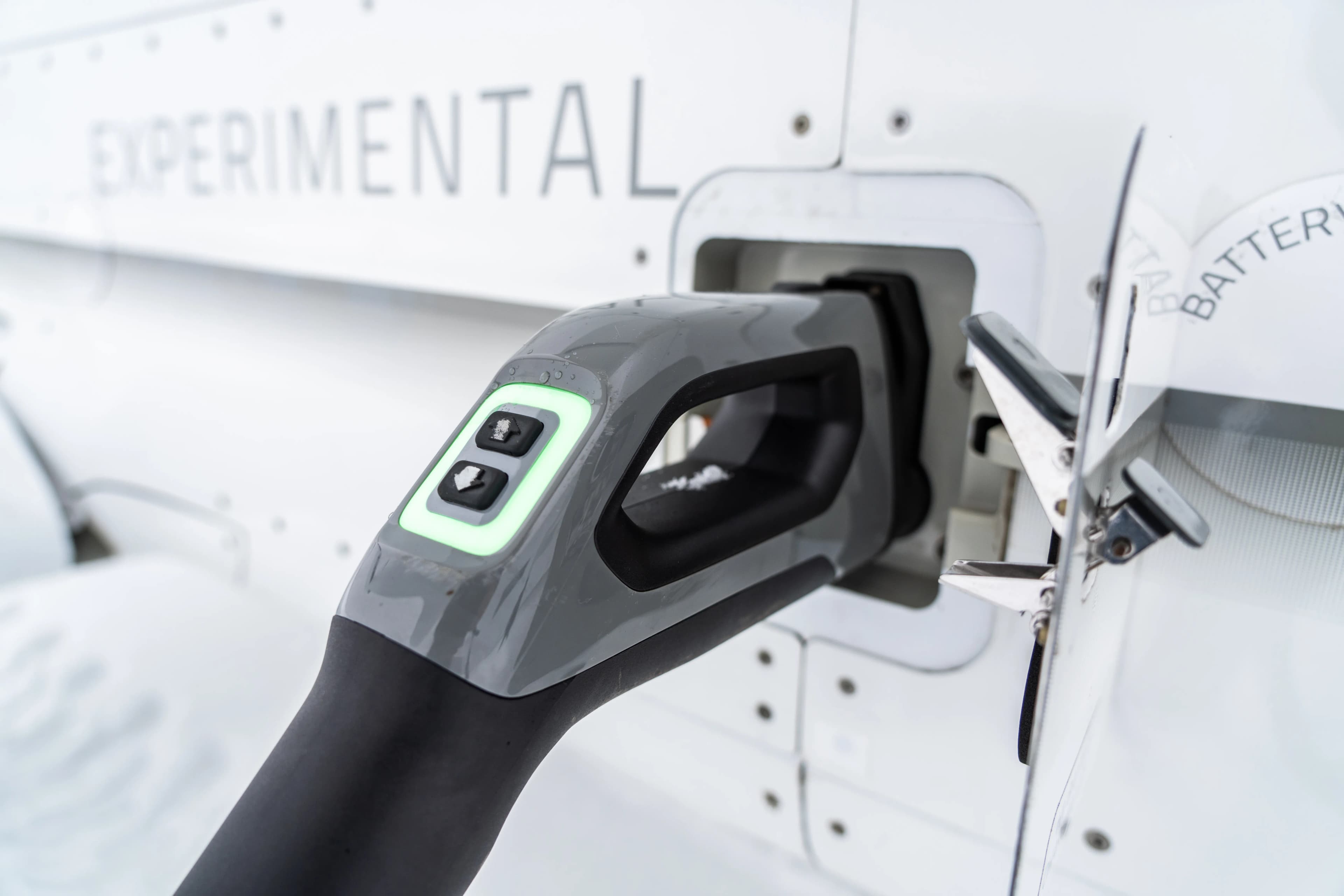
- Beta's CCS-based chargers are already active at more than 60 U.S. airports, with 123 sites activated or under construction.
- The ACES network will expand into all states participating in the FAA's eVTOL Integration Pilot Program (eIPP), covering at least 26 states.
- Beta completed its first formal eIPP mission in July 2025, transporting a human organ between Maryland and Virginia for client United Therapeutics.
Tesla once transformed the electric vehicle industry by building thousands of interoperable charging stations and opening them to the broader market. Now, two air taxi manufacturers are attempting to replicate that model for electric aircraft.
On Thursday, the America's Consortium for Electric Skyways (ACES) was officially announced — a partnership between eVTOL developers Archer Aviation and Beta Technologies targeting up to 250 air taxi operational sites by 2030. The partners plan to install Beta's electric charging systems at major U.S. airports and cities across New York, Florida, California, and Texas.
"Scaling electric air taxis requires charging infrastructure," said Archer founder and CEO Adam Goldstein in a statement. "That's why we're building the backbone of America's electric aviation future for the next 250 years."
A Beta spokesperson told FLYING on Thursday that the company's network of fixed and mobile charging systems currently covers 123 activated or under-construction sites. In June, Nate Ward, who oversees Beta's North American charging network, noted that chargers are already live at more than 60 airports.
The charging systems are designed to support multiple aircraft types — including Beta's Alia A250 and Archer's Midnight eVTOLs, Beta's Alia CX300 conventional takeoff-and-landing electric aircraft, and even zero-emission electric ground vehicles used for airport transfers.
Electrifying the National Airspace
Archer and Beta announced Thursday that they plan to expand the network into states participating in the FAA's eVTOL Integration Pilot Program (eIPP). Beta earlier this month completed its first formal eIPP operational mission, transporting a human organ between Maryland and Virginia on behalf of client United Therapeutics. The multi-year program spans at least 26 states, suggesting that electric aircraft charging stations could soon stretch from coast to coast.
Global investment and advisory firm Macquarie Capital will serve as strategic advisor to ACES and provide financing for site acquisition and development. The partners said they plan to attract additional aircraft manufacturers, infrastructure providers, and investors to the consortium.
As Archer, Beta, and other electric aircraft developers push toward type certification, they are also thinking beyond it. A type-certified aircraft is of little use if its battery is empty.
Beta's chargers use the Combined Charging Standard (CCS), an open, interoperable protocol that allows any compatible electric aircraft or ground vehicle to plug in. This means the same infrastructure can charge Beta's Alia, Archer's Midnight, and even the Valo air taxi being developed by UK-based Vertical Aerospace, which has also committed to CCS compatibility.
CCS was once widely adopted in the electric vehicle sector, though it has been gradually supplanted by Tesla's North American Charging Standard (NACS) in that market. However, the General Aviation Manufacturers Association (GAMA) has established CCS as the charging framework for electric aircraft. CCS aligns with EUROCAE ED-308, the European standard setting minimum requirements for global VTOL charging infrastructure.
Rival Joby Aviation has developed its own interoperable system — the Global Electric Aviation Charging System (GEACS) — which incorporates cooling mechanisms that Beta has chosen to handle separately from the charging unit itself. GEACS also features multiple DC charging channels to accommodate Joby's distributed battery architecture. Since Archer and Beta aircraft house their battery packs in a single location, such a configuration is unnecessary for their platforms.
Nevertheless, broad industry support for CCS is seen as preferable to a fragmented landscape of proprietary standards.
Archer and Beta said that Beta's existing customers — including Republic Airways, Bristow Group, and Surf Air Mobility — will access the ACES network for cargo and medical transport operations, while Archer will use it for passenger services during peak hours.
"The infrastructure needed to open airports across America — and future vertiports — is far less than people imagine," said Beta founder and CEO Kyle Clark in a statement. "By deploying interoperable chargers built on open standards, we've already put in place nearly all the physical infrastructure this industry needs, available to every operator."
Archer placed its initial order for Beta charging systems in 2023. The two companies have partnered with Signature Aviation and Atlantic Aviation to install charging equipment at fixed-base operators (FBOs) across the country. Ward estimates that a ground installation of Beta's chargers takes approximately six to nine months to complete.
"FBOs are in the business of serving general aviation users," he told FLYING in June. "Putting chargers on GA ramps is a natural fit — those are places that welcome all comers and have a public-service mandate."
Ward said the company analyzes a broad range of data when evaluating charging site locations — including traffic volumes, distance to power sources, and runway length — and employs a cluster-node strategy to create a grid-like network.
"Adding interconnected nodes within a region increases the utility and capacity of the entire network," he said.
States participating in the eIPP are expected to be among the next locations to receive electric aircraft charging stations. Beta's organ transport flight this month was conducted in partnership with the Pennsylvania Department of Transportation (PennDOT), which leads an eIPP consortium spanning an additional 17 states. Beta has also been selected in eIPP bids led by transportation agencies in Texas, Florida, Utah, North Carolina, Louisiana, and the New York–New Jersey region.
Archer is participating in projects led by Texas, Florida, and New York–New Jersey. The company has previously published air taxi route maps for New York City and Miami, suggesting those cities may be among the first to see new charging infrastructure deployed.
Archer and Beta will both appear at the Farnborough International Airshow in the United Kingdom from July 20–24. On July 21, Clark, Goldstein, and Dan Edwards — Principal Deputy Assistant Secretary for Aviation and International Affairs at the U.S. Department of Transportation — will discuss the partnership further in a fireside chat.
原文來源: 查看原文
FAQ
Reviewed and published by the LAETimes editorial desk ·