Russia Adds Magnetic Compass to Molniya One-Way Attack Drones to Counter Electronic Jamming
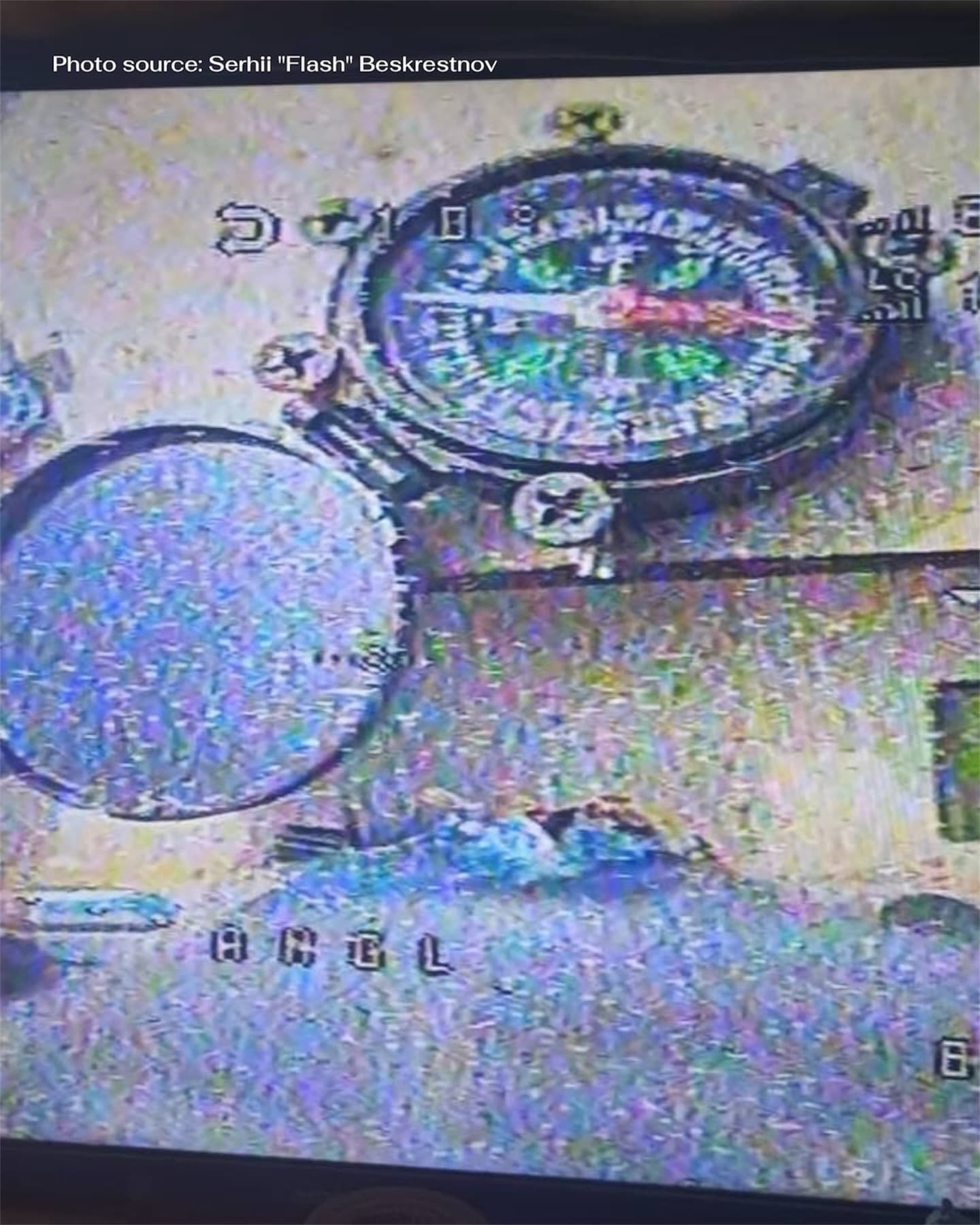
According to Ukrainian electronic warfare adviser Serhii 'Flash' Beskrestnov, Russia has begun fitting some Molniya ('Lightning') one-way attack drones with basic magnetic compasses as backup navigation systems. An onboard camera periodically reads compass headings, allowing the drone to maintain its intended course even when GPS/GLONASS signals are disrupted by electronic warfare measures.
Highlights
- Russia has fitted some Molniya one-way attack drones with basic magnetic compasses to maintain navigation when GPS/GLONASS signals are electronically jammed.
- The Molniya-1 has a combat radius of approximately 30–40 km, while the Molniya-2 extends this to 50–60 km under standard configuration.
- Starlink-equipped Molniya-2 variants have been reported by Ukrainian intelligence to achieve mission ranges exceeding 230 kilometers.
- Multiple Molniya derivatives exist, including fiber-optic controlled, mothership-style, and autonomous variants with no conventional radio antennas.
- The compass modification reflects Russia's broader low-cost, high-adaptability approach to countering Ukrainian electronic warfare capabilities.
Russia Adds Magnetic Compass to Molniya Attack Drones to Counter Electronic Jamming
According to Ukrainian electronic warfare adviser Serhii 'Flash' Beskrestnov, Russian forces have begun equipping some Molniya ('Lightning') series one-way attack drones with basic magnetic compasses as backup navigation systems. An onboard camera periodically reads compass headings, enabling the drone to maintain its intended course even when GPS/GLONASS signals are disrupted by electronic warfare countermeasures.
Low-Cost Design Philosophy
The Molniya series is manufactured using inexpensive commercial-off-the-shelf components and lightweight materials such as plywood. The overarching design philosophy prioritizes low production costs and rapid mass production over advanced technology.
Molniya-1: Basic Electric Fixed-Wing Loitering Munition
The original Molniya-1 is an electrically powered fixed-wing loitering munition with a reported combat radius of approximately 30 to 40 kilometers. The platform can carry improvised explosives or adapted anti-armor warheads, and is guided via FPV control or a basic autopilot. Due to its modular design, open-source reporting varies on the exact payload specifications.
Molniya-2: Extended Range and Heavier Warhead
The larger Molniya-2 features a redesigned airframe, typically with twin wing-mounted engines, and is capable of carrying heavier warheads — including TM-62 anti-tank mines, shaped charges, and thermobaric warheads. Its standard operational range is generally reported at 50 to 60 kilometers, though multiple modified variants have demonstrated significantly greater range.
In late 2025, Ukrainian intelligence reported that some Molniya-2 drones had been fitted with Starlink satellite communication terminals, reportedly extending their mission range to over 230 kilometers.
Continued Evolution Across Multiple Variants
Several additional Molniya derivatives have been documented:
- Fiber-Optic Controlled Variant: Molniya-2 units guided via fiber-optic cable have been observed, providing high resistance to radio-frequency jamming.
- Mothership Variant: Some units have been used as 'motherships,' carrying a small FPV attack drone mounted on top of the fuselage and releasing it as the platform closes on a target.
- Autonomous Variant: Recent reports indicate the emergence of autonomously flying Molniya variants with no conventional radio control antennas, suggesting the platform continues to evolve rapidly.
The addition of a magnetic compass further illustrates Russia's flexible, low-cost approach to countering Ukrainian electronic warfare suppression, and underscores the growing importance of redundant navigation systems in modern contested drone environments.
Image credits: Serhii 'Flash' Beskrestnov, related archival materials, and Russian military channels.
原文來源: 查看原文
FAQ
Reviewed and published by the LAETimes editorial desk ·