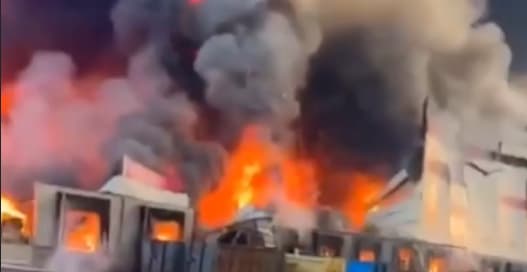
After the Guns Fall Silent: The Drone Threat NATO Is Not Yet Ready to Face
Three years of intense conflict have produced a generation of battle-hardened drone operators whose skills will not simply disappear when a ceasefire is signed. NATO analysts warn that the proliferation of low-cost drone expertise into civilian society — and potentially into the hands of non-state actors — represents a security challenge the Alliance has yet to adequately address.
Highlights
- Three years of conflict have produced a generation of soldiers trained in drone strikes, electronic warfare evasion, and precision UAV operations using low-cost commercial hardware.
- Consumer drones costing a few hundred dollars can now execute battlefield missions — reconnaissance, artillery spotting, and direct munitions delivery — once achievable only by state militaries.
- NATO member states show significant gaps in counter-drone investment and lack a unified threat assessment mechanism or multinational joint response framework.
- Analysts warn that post-conflict proliferation of drone expertise to non-state actors or terrorist organizations represents a hard-to-quantify but serious security threat.
- Recommended NATO actions include cross-border intelligence sharing, counter-drone system standardization, private-sector integration, and stronger export controls on drone components.
The Next Challenge NATO Is Not Yet Prepared For
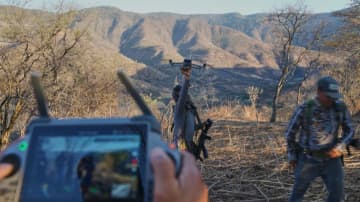
Over three years of conflict, a new generation of soldiers has come of age on a battlefield shaped by drones. They have learned how to pilot unmanned systems, how to execute precision strikes, and how to survive in high-intensity electronic warfare environments. This is a tactical revolution driven by small commercial drones — and its consequences will not end with the signing of a ceasefire.
The ongoing conflict has demonstrated conclusively that low-cost consumer and commercial drones can play a decisive role on the modern battlefield, performing missions ranging from reconnaissance and artillery spotting to direct munitions delivery. The widespread adoption of these tactics is fundamentally reshaping the character of future warfare.
Yet what worries NATO strategic analysts most is the post-conflict scenario: thousands of veterans with advanced drone warfare skills will return to civilian life. The knowledge and experience they carry, if acquired by non-state actors or terrorist organizations, represents a threat that is difficult to quantify.
The Proliferation Problem
The technical barrier to conducting a drone attack has fallen dramatically. A consumer quadcopter costing a few hundred dollars, combined with simple modifications and readily available open-source software, can now accomplish missions that were once considered achievable only by state-level military forces.
This democratization of technology means that building counter-drone capabilities is no longer solely a concern for conventional militaries. The challenge now extends to border security, critical infrastructure protection, and the safeguarding of large public events.
NATO's Capability Gaps
At present, NATO member states show significant disparities in their investment in and integration of counter-drone systems. Some members have yet to establish a unified drone threat assessment mechanism, let alone a multinational joint response framework.
Analysts argue that NATO must accelerate work in several critical areas:
- Intelligence sharing: Establish a real-time information exchange platform focused on drone technology proliferation
- Counter-drone standardization: Harmonize detection, jamming, and interception system specifications across member states
- Private sector integration: Incorporate commercial drone detection technologies into national security architectures
- Legislation and export controls: Strengthen controls on drone component exports to prevent critical technology from reaching adversarial actors
The Gray Zone of Peacetime
History shows that after armed conflicts end, the proliferation of related technologies and personnel is rarely contained. From improvised explosive device construction to cyber attacks, every major conflict generates new security threats that re-emerge years later in unexpected forms.
The drone threat is no different. When the guns fall silent, the real challenge may only be beginning. If NATO fails to build robust response mechanisms during this window of peace, the Alliance risks being caught unprepared when the next crisis arrives.
This article examines the long-term impact of drone technology proliferation during modern armed conflict on NATO's security architecture. Source material is limited; portions of this analysis represent extended reporting based on publicly available information.
原文來源: 查看原文
FAQ
Reviewed and published by the LAETimes editorial desk ·