Kuwait Closes Airspace as Iranian Missiles and Drones Disrupt Persian Gulf Flights Again
On July 18, 2026, Iran launched another wave of missile and drone attacks targeting Kuwait and neighboring Persian Gulf states, prompting Kuwait to close its airspace. Kuwait Airways announced schedule disruptions across most of its flights and urged passengers to verify their flight status before heading to the airport. Civil infrastructure, including a power and water desalination plant, was also reported to have been struck.
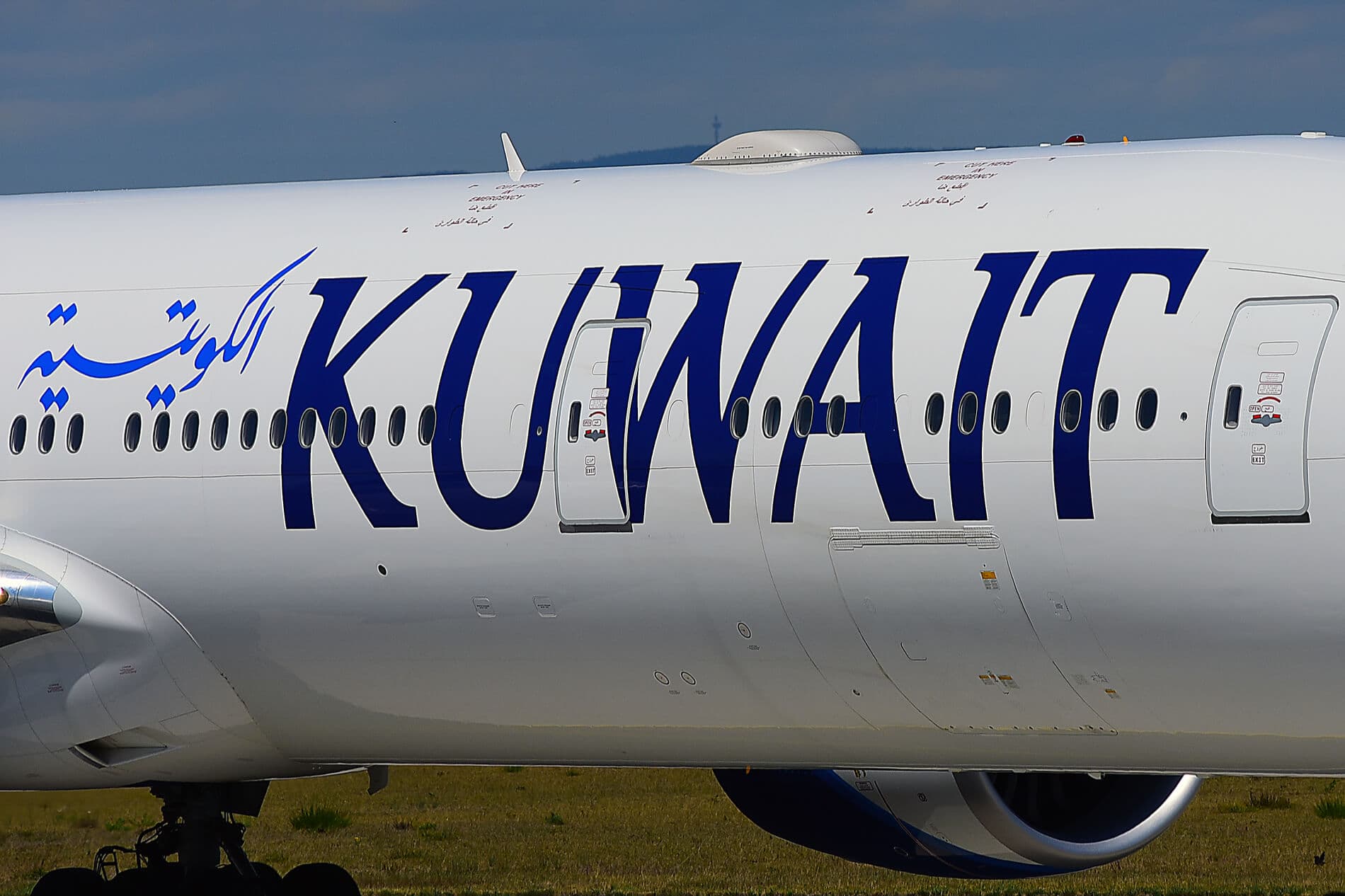
Highlights
- On July 18, 2026, Iran conducted missile and drone strikes against Kuwait and surrounding Persian Gulf nations, prompting Kuwait to immediately close its national airspace.
- Kuwait Airways announced that the majority of its flights were subject to rescheduling and urged passengers to verify their flight status via phone or SMS notification before going to the airport.
- A Kuwaiti power generation and seawater desalination plant was among the civilian infrastructure facilities reported to have been struck during the attack.
- This was at least the seventh consecutive night of escalating Iran-U.S. military exchanges, with Iran framing its Gulf-state strikes as retaliatory action.
- As of July 18, Bahrain, Qatar, Oman, and the UAE had not closed their airspaces, leaving Kuwait as the sole Gulf country to implement a full airspace closure in response to the attacks.
Kuwait Closes Airspace as Iranian Drones and Missiles Paralyze Persian Gulf Flights
On July 18, 2026, Iran launched renewed missile and drone attacks against Kuwait and surrounding Persian Gulf nations, prompting the Kuwaiti government to immediately close its airspace and triggering widespread delays and cancellations across the region's civil aviation network.
Kuwait Airways Scrambles to Reschedule Flights
Kuwait Airways announced that the vast majority of its flights would need to be rescheduled due to the airspace closure. The carrier urged passengers to confirm the latest flight status before proceeding to the airport, stating it would notify affected travelers via phone call and SMS to the contact numbers on file in their reservations. The airline has not yet disclosed the exact number of flights impacted.
Escalating Iran-U.S. Military Confrontation
The airspace closure was triggered by Iran's retaliatory strikes against Kuwait and other Gulf states, following what was reported as the seventh consecutive night of U.S. airstrikes on Iranian territory. Multiple military and civilian facilities in Kuwait were reportedly affected, including a power generation and seawater desalination plant.
Kuwait Has Repeatedly Activated Preventive Closures
Since the onset of the conflict, Kuwait has closed or restricted its airspace on multiple occasions to protect civilian aircraft from the threats posed by missiles, drones, and active air-defense engagements. Kuwait's Directorate General of Civil Aviation has consistently emphasized that such closures are preventive in nature and are intended to safeguard passengers, airlines, and operations at Kuwait International Airport.
Neighboring Countries' Airspaces Remain Open
As of July 18, Kuwait appeared to be the only Gulf state to have closed its national airspace in response to the current round of attacks. Bahrain, Qatar, Oman, and the United Arab Emirates, while facing an elevated threat environment, had not closed their airspace as of the time of reporting.
The incident once again underscores the serious threat that drone and missile attacks pose to regional civil aviation safety, with the security situation over the Persian Gulf remaining highly precarious.
原文來源: 查看原文
FAQ
Newsletter
Subscribe to our Low-Altitude Industry Newsletter
Daily curated news on low-altitude economy and drone industry, delivered to your inbox.
Reviewed and published by the LAETimes editorial desk ·