New Technology Converts Waste Plastic into Clean Fuel, Replacing Polluting Emissions
Researchers have unveiled a breakthrough process that converts waste plastic into clean fuel, offering significant improvements in carbon emissions and energy efficiency over conventional disposal methods. The technology presents a viable new direction for tackling the global plastic waste crisis and advancing renewable energy development.
Highlights
- Researchers have announced a breakthrough process that converts waste plastic into clean fuel instead of generating pollutants associated with conventional disposal.
- The new technology outperforms traditional incineration and landfill methods in both carbon emission efficiency and energy utilization, according to the research team.
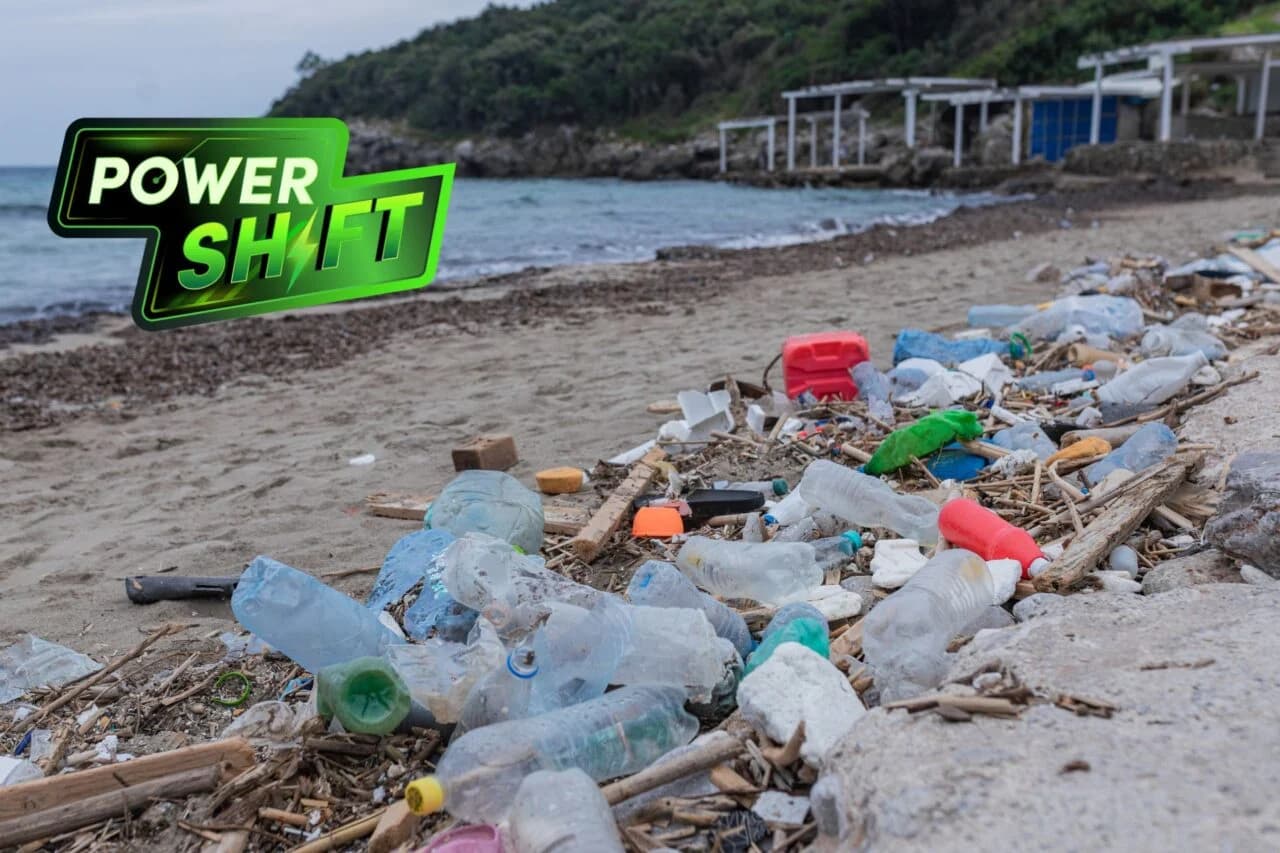
- Conventional plastic disposal methods — incineration and landfill — produce large volumes of greenhouse gases and hazardous substances; the new process significantly reduces this carbon footprint.
- If successfully scaled, the technology could simultaneously address the global plastic waste crisis and contribute new capacity to the renewable energy sector.
- Industry and academic communities are closely monitoring the commercialization potential following the public release of the research findings.
Researchers have publicly announced a breakthrough process capable of converting waste plastic into clean fuel, rather than the pollutants typically generated by conventional disposal methods.
According to the research team, this approach significantly outperforms existing technologies in both carbon emission efficiency and energy utilization, offering a viable pathway to address the world's increasingly severe plastic waste problem.
Significance of the Innovation
Conventional plastic waste disposal methods — whether incineration or landfill — generate large quantities of greenhouse gases and hazardous substances. This new process employs a more efficient conversion mechanism to transform the chemical energy locked in waste plastics into usable fuel, while substantially reducing the overall carbon footprint.
If the technology can be scaled up for broader application, it holds the potential not only to help alleviate the plastic pollution crisis, but also to inject new momentum into the renewable energy sector.
"This method significantly outperforms conventional disposal approaches in terms of carbon emissions and energy efficiency." — Research Team
Details of the research have been released by the team, and both industry and academic communities are closely watching its potential for commercialization.
原文來源: 查看原文
FAQ
Reviewed and published by the LAETimes editorial desk ·