US-Iran Conflict Enters Day Seven: Both Sides Strike Infrastructure Targets as Gulf Tensions Escalate Sharply
The US-Iran armed conflict entered its seventh consecutive day with no ceasefire in sight, as both sides escalated attacks on critical infrastructure. US airstrikes hit bridges and energy facilities in southern Iran, while Iran struck a Kuwaiti desalination plant and military bases in Bahrain and Saudi Arabia. The Pentagon is reinforcing the region with dozens of aerial refueling tankers and F-16s. Strait of Hormuz vessel traffic fell to a three-week low, and Brent crude approached $87 per barrel.
Highlights
- US airstrikes on day seven of the conflict destroyed six bridges near Bandar Abbas and a Chah Bahar port surveillance tower, aiming to isolate Iran's southern Strait of Hormuz coastline.
- Iran retaliated by striking a Kuwaiti electricity and desalination facility, intercepted Bahraini air defenses, claimed strikes on Al Udeid Air Base in Qatar, and attacked Saudi Arabia's Prince Sultan Air Base for the first time in nearly four months.
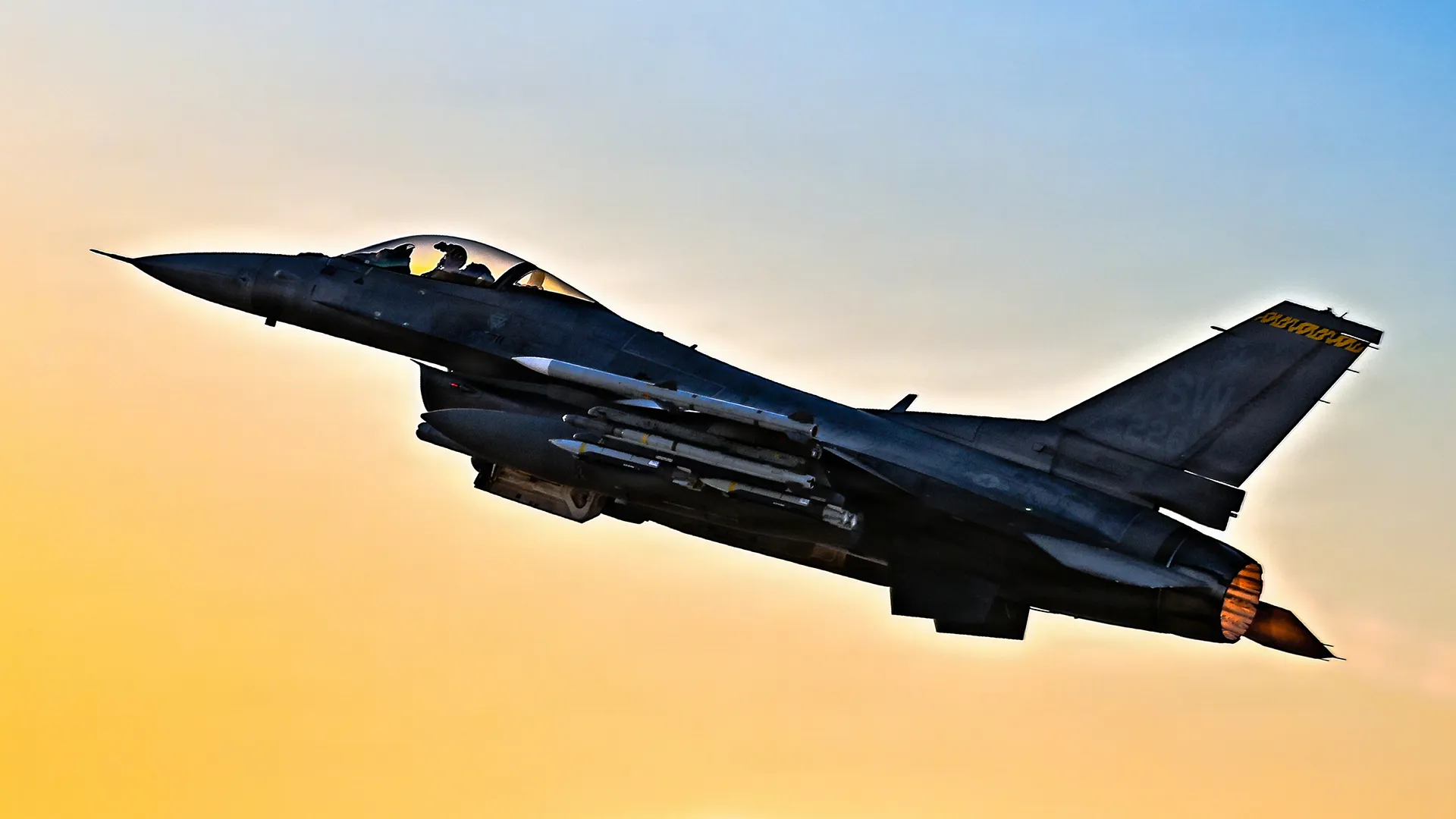
- The Pentagon plans to deploy dozens of additional KC-46 and KC-135 tankers to Ben Gurion Airport, while at least 12 F-16s are transiting from Germany to Jordan.
- Strait of Hormuz vessel traffic fell to eight ships — a three-week low — and Brent crude approached $87 per barrel as the conflict escalated.
- Since Operation Epic Fury began on February 28, 14 US service members have been killed and 427 wounded; Iran has been directed to prepare Houthi forces for a potential Red Sea blockade.
US-Iran Conflict Day Seven: Infrastructure Strikes Intensify as Gulf Crisis Deepens
The armed conflict between the United States and Iran entered its seventh consecutive day with no sign of a ceasefire, as the Pentagon accelerated military reinforcements to the Middle East. Hostilities escalated sharply overnight, with both sides following through on threats to target each other's critical infrastructure — marking a significant departure from the earlier pattern of tit-for-tat strikes — as the two nations continued to contest control of the Strait of Hormuz.
US Deploys Additional Tankers and Fighter Jets
Citing three US and Israeli officials, Axios reported that the Trump administration has notified Israel it plans to deploy dozens of additional aerial refueling tankers to the country ahead of a potential expansion of military operations against Iran. Israeli officials said the US intends to restore tanker numbers to levels seen at the outset of the conflict within the coming days, with Ben Gurion Airport the preferred deployment site, as other bases in the region are considered more vulnerable to Iranian attack and offer lower safety guarantees for US aircraft.
Approximately 30 KC-46 Pegasus and KC-135 Stratotanker aircraft are currently stationed at Ben Gurion Airport. During the peak of Operation Epic Fury, the airport hosted as many as 75 tanker and transport aircraft combined. Israel has since capped tanker numbers at 20 due to disruption to commercial flight operations, and how that constraint will be overcome remains unclear.
Separately, open-source flight tracking data showed at least 12 F-16 Fighting Falcons transiting from Spangdahlem Air Base in Germany to Muwaffaq Salti Air Base in Jordan. Whether the movement represents a reinforcement or routine rotation has not been confirmed, but it underscores the continued buildup of US air assets in the region.
Notably, F-22 Raptors previously operating from Ovda Air Base in Israel have returned to the United States, while A-10 and F-15E aircraft have been withdrawn or rotated out of the CENTCOM area of responsibility, indicating a broad reshuffling of aviation assets across the theater.
CENTCOM Announces Latest Wave of Airstrikes
At 3:00 p.m. ET on Friday, US Central Command (CENTCOM) announced a new round of strikes against Iran, describing the action as part of "seven consecutive nights" of operations aimed at continuously degrading Iranian military capabilities. The previous night, US forces struck multiple bridges and power stations in southern Iran, according to Iranian state media. CENTCOM also confirmed the destruction of a surveillance tower at Chah Bahar Shahid Kalantari Port — part of a decades-old Islamic Revolutionary Guard Corps (IRGC) maritime surveillance network along the Gulf of Oman coast.
Officials from Hormozgan Province disclosed that six bridges near Bandar Abbas were destroyed in the latest strikes, severing key road links between the city and surrounding towns. The strikes appear designed to isolate Bandar Abbas and Iran's southern coastal areas along the Strait of Hormuz.
Former CENTCOM Commander General Joseph Votel commented that while a US ground incursion into southern Iran was "perhaps possible," he did not believe it was the true objective of current operations. "I think our kinetic strikes are primarily focused on eliminating Iran's ability to influence the Strait of Hormuz or to attack our regional partners," he said.
Iran Retaliates: Kuwait, Bahrain, and Saudi Arabia All Affected
Iran launched retaliatory strikes following US attacks. Kuwaiti officials stated that a combined electricity and water desalination facility had been "attacked as a result of Iranian aggression," causing fires and damaging plant infrastructure and multiple generating units. In an arid region where desalination plants are essential to supplying drinking water, the attack on such facilities represents a significant escalation.
Bahrain's defense forces announced that their air defense systems successfully intercepted and destroyed multiple waves of Iranian aerial attacks on Friday.
Iran separately claimed to have struck Al Udeid Air Base in Qatar — the largest US military installation in the Middle East — for a second time, asserting that multiple aerial refueling tankers and radar systems had been destroyed. No imagery evidence was provided, and CENTCOM declined to comment.
Satellite imagery circulating on social media Friday afternoon appeared to show two hardened aircraft shelters and a warehouse at Zayed Military City in Abu Dhabi destroyed, damage consistent in scale with an Iranian missile or drone strike. UAE authorities, however, characterized the incident as an accident, stating that a fire had been caused by "burning timber and old ammunition."
Iran also claimed to have struck the al-Tanf US Special Operations Forces command center in eastern Syria in retaliation for the killing of Iranian soldiers in Iranshahr. CENTCOM stated that US forces had vacated the facility in February and denied any US personnel casualties.
Hormuz Traffic Plummets, Oil Prices Surge
The latest escalation drove vessel traffic through the Strait of Hormuz to a three-week low, with only eight ships transiting on Thursday compared to 15 the day before. Brent crude oil prices rose to their highest level in nearly 30 days on Friday, approaching $87 per barrel.
Reuters, citing three sources familiar with the matter, reported that Iran has directed Houthi rebels to be ready to blockade Red Sea oil shipping lanes if the US strikes Iranian electricity infrastructure. A Houthi blockade of the Bab el-Mandeb Strait would sever oil export routes for Saudi Arabia and the southern Gulf states, further inflating energy prices. A simultaneous closure of both the Strait of Hormuz and Bab el-Mandeb would represent a worst-case scenario for global energy markets.
Since Operation Epic Fury launched on February 28, 14 US service members have been killed and 427 wounded. In March, a drone strike on a base in Kuwait killed six soldiers; approximately ten days later, a KC-135 tanker was lost — apparently after colliding with another aircraft over Iraq — killing all six crew members aboard.
[UPDATE: 10:16 p.m. ET]
CENTCOM announced that the seventh consecutive night of strikes against Iran concluded at 9:30 p.m. ET.
"US Central Command struck surveillance stations, military logistics infrastructure, underground weapons storage facilities, and maritime capabilities," CENTCOM posted on X. "US forces employed fighter aircraft, aerial drones, surface vessels, and other assets."
Axios correspondent Barak Ravid reported that, hours before the strikes concluded, Iran attacked Prince Sultan Air Base in Saudi Arabia — Iran's first strike on Saudi territory in nearly four months. CBS News, citing multiple US officials, reported that Iran struck at least two Jordanian bases this week, wounding several US service members.
NASA Fire Information for Resource Management System (FIRMS) data detected heat signatures near the ramp area adjacent to the runway at Muwaffaq Salti Air Base in Jordan, though the specific circumstances, casualties, and equipment damage could not be independently verified. The base is one of the most significant tactical aircraft staging points for US forces in the region; a single ballistic missile strike on the flight line could simultaneously destroy multiple high-value aircraft and cause personnel casualties.
原文來源: 查看原文
FAQ
Newsletter
Subscribe to our Low-Altitude Industry Newsletter
Daily curated news on low-altitude economy and drone industry, delivered to your inbox.
Reviewed and published by the LAETimes editorial desk ·